
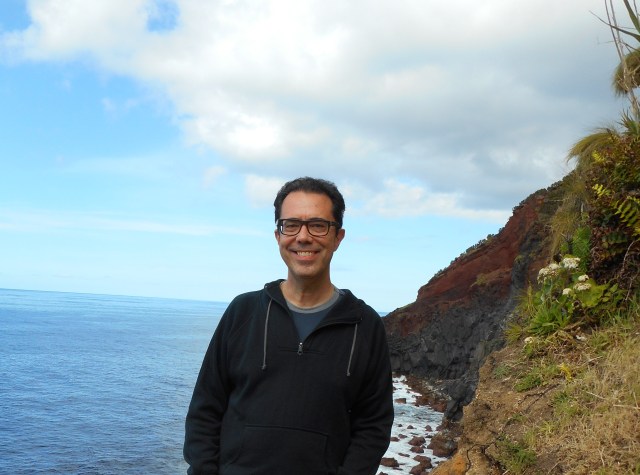
 It’s been four years since the last time I stood with the Atlantic on one side of me and Azorean earth on the other but the smile of contentment still lingers.
I have stayed in Achada several times over the last two decades. Lately, my memory takes me back to this village in the district of Nordeste on the island of São Miguel at a time when travel has become complicated.
My father and his family were born and made their lives there until they moved to the city of Ponta Delgada for a while before later leaving for Canada. But there are still primas and primos who live in the village, some who had immigrated to Canada and then returned, and others who have never left the island.
My first few visits to Achada elicited an overwhelming emotional longing for a connection with my family’s past as I walked the streets and meandered down from the cliffs above to the beach coves below. I have explored the village and its surrounding countryside until its geography has become so familiar that I can anticipate what there is to see around the bend of a winding road. Eventually, by the last couple of visits, it has felt like a coming home.
Strange that I would feel this way about a place that I had limited contact with as a child. I was born in Ponta Delgada, a city that was more than a two-hour car ride in the days before the new highway opened around ten years ago. It’s now a thirty-to-forty minute drive into the city, which means that it’s possible to go down to see a movie or go shopping, attend a festa, and return to Achada without having to go in and out of the villages along the way.
My childhood visits to Achada stopped when my father came to Canada. But I know that I was coroado, crowned during the Festas do Espirito Santo when I was five years old. I have a photograph to prove it. Here I am, standing on my grandparents’ front door, my grandmother behind me and a small cousin next to me as I held the crown on my head, looking so worried, perhaps afraid that I might drop it.

I can honestly say that I remember little about those early years of childhood when my father, who already had a car, would drive us for weekend visits. Whatever knowledge I have is mostly informed by stories my mother tells me about the picnics we had in the shelter of a quinta full of fruit trees and grapevines, of the murmúrio do mar – the hush lullaby sound of the ocean waves, as I slept next to my parents while they sat on a blanket under a breeze-whispering tree.
The Achada I have come to love is more than a place of remote family history; it’s a place of continued living experience where I stay in my grandparents’ house and sit by a loft window to watch the waves in the distance between house and ocean, the green undulating landscape, the few cows in pastures before me, and the sound of people on the street as they go about their lives.
A direct flight from Toronto to São Miguel takes me back to be with people who I’ve come to know over time. They are generous with me. They feed me. They take me on trips throughout the island. With them I can speak Portuguese without the cumbersome intervention of translation, which would feel like a pull back to my English-speaking life. So, when I am there, I can immerse myself in whatever ‘Portuguesness’ I still have left in me after a lifetime of living in Canada.
My other cherished moments are when I am on my own for hours on end, walking the trails and the village streets, sitting by the ocean, and generally taking in the feel and life there. But it’s the people, above all, who give me a sense of home in Achada.




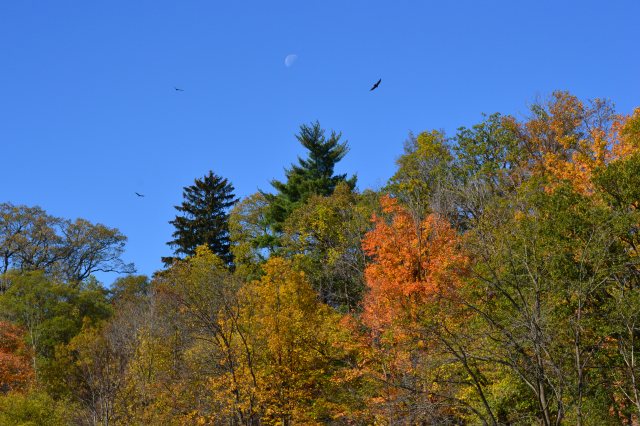


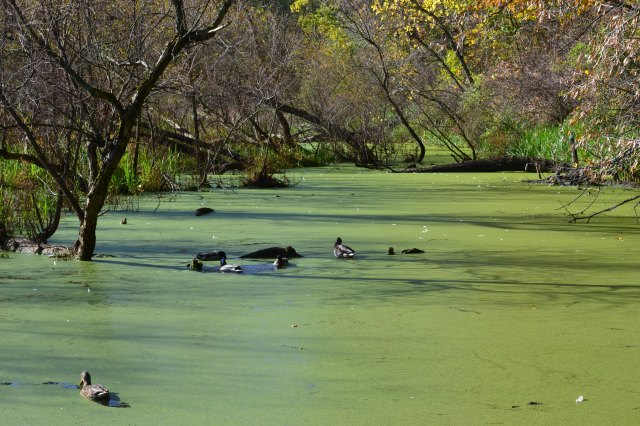

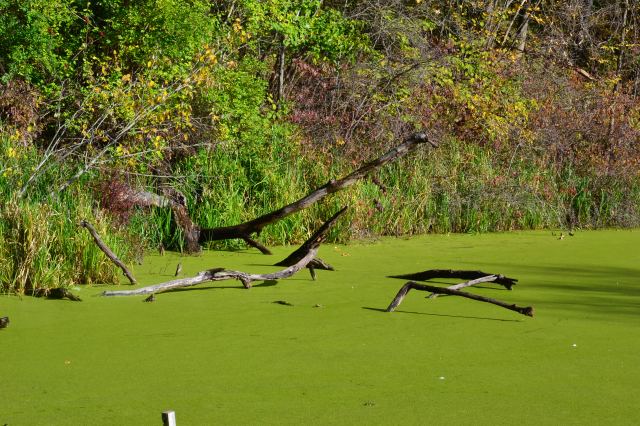


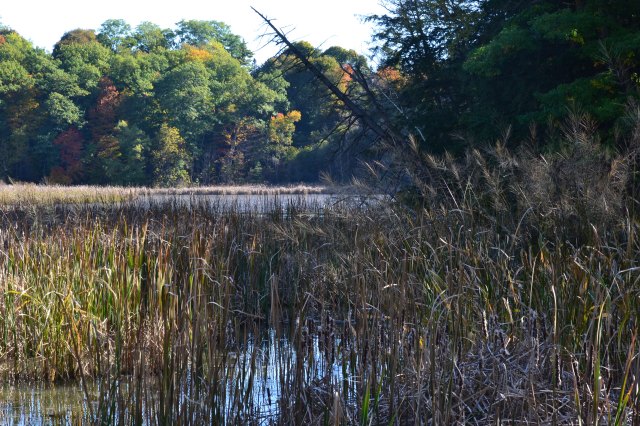
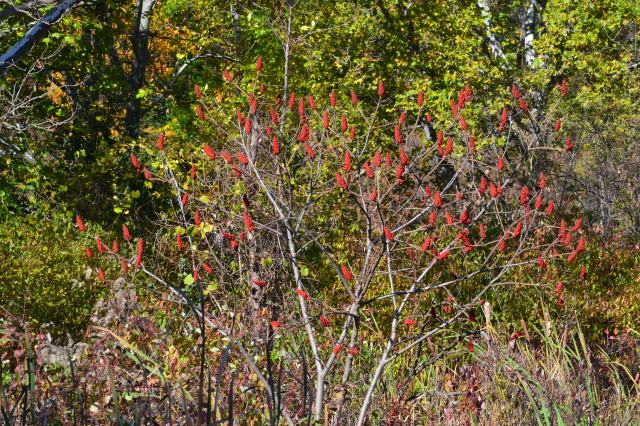
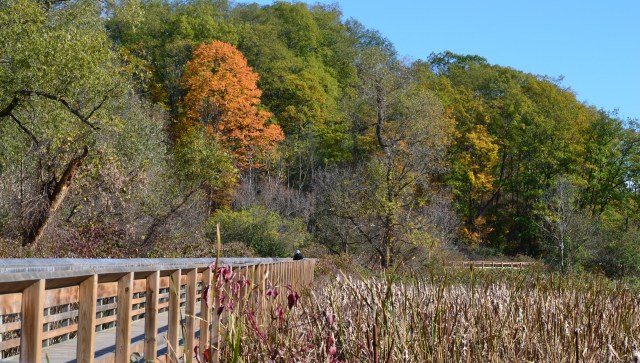
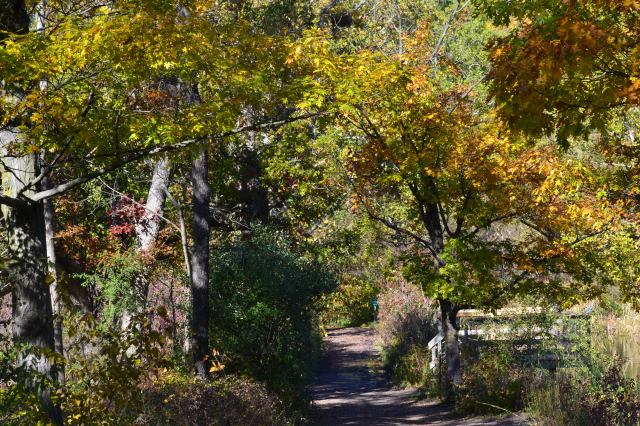
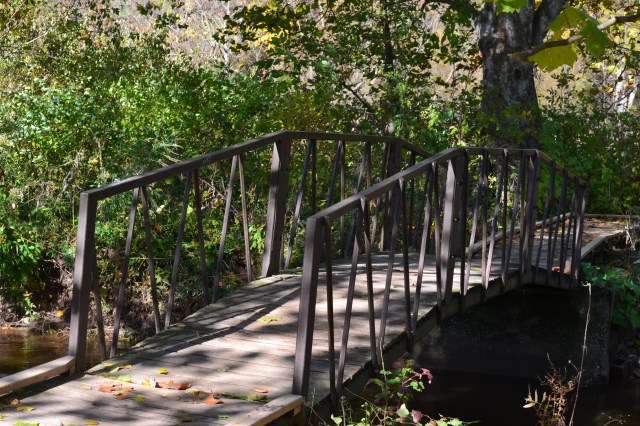


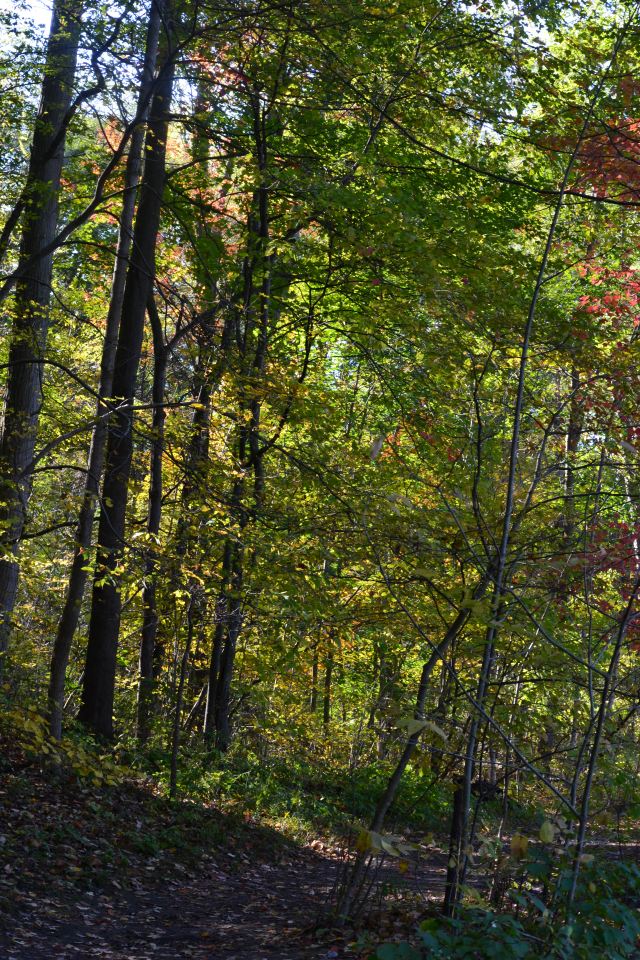
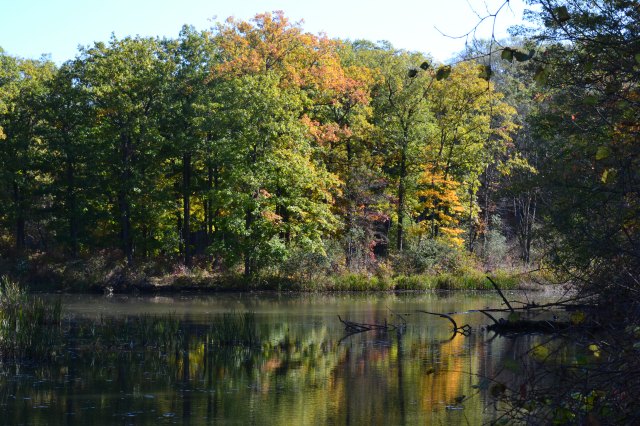

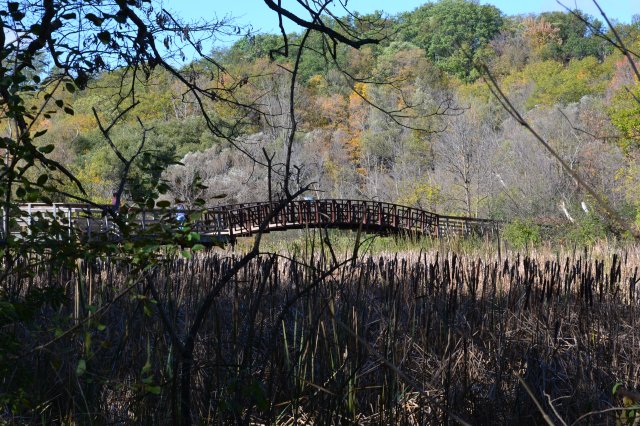
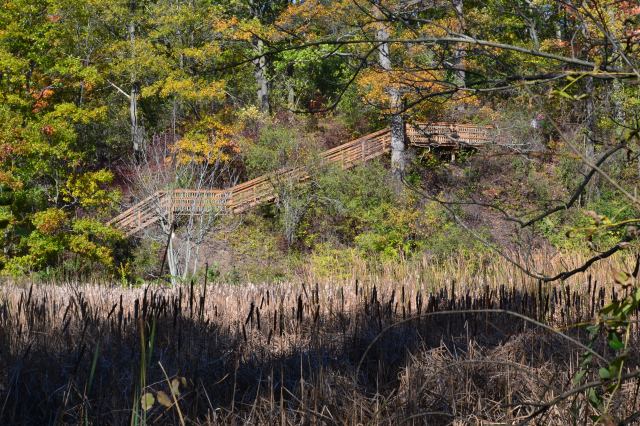


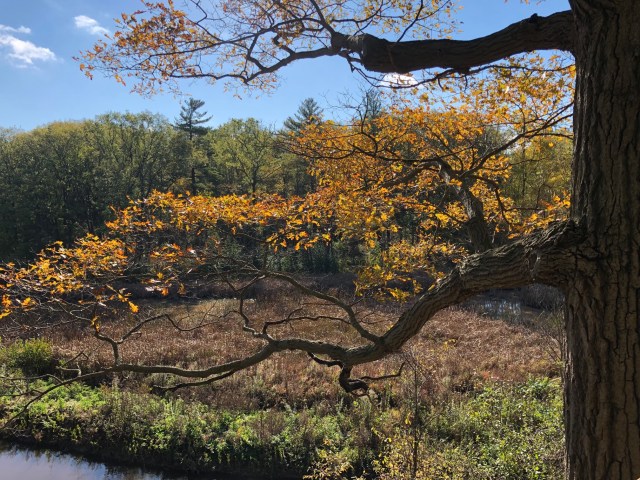
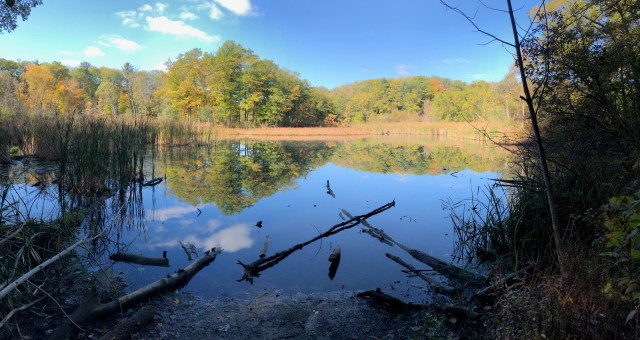


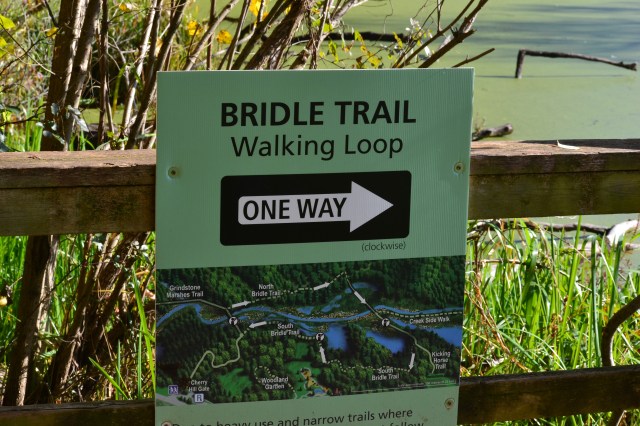

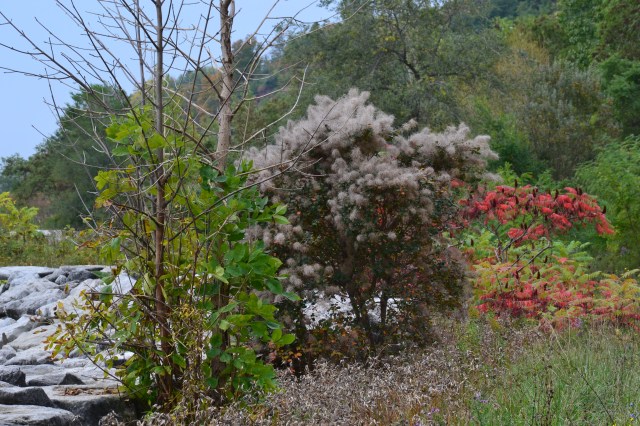
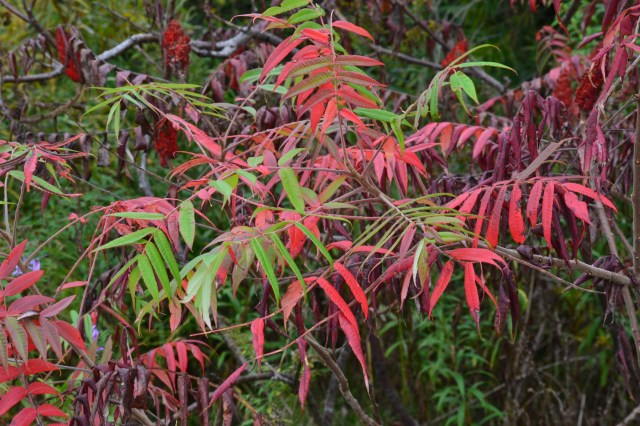
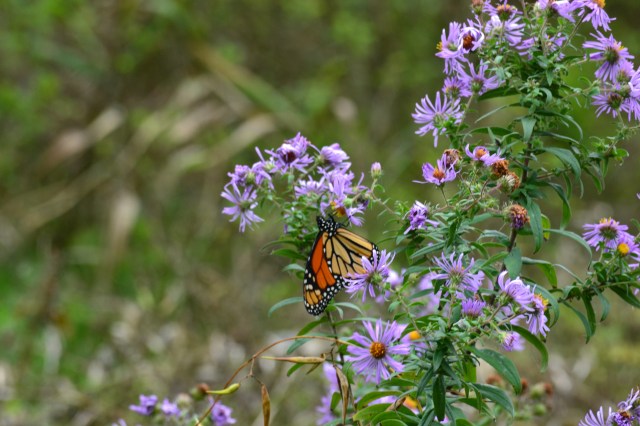
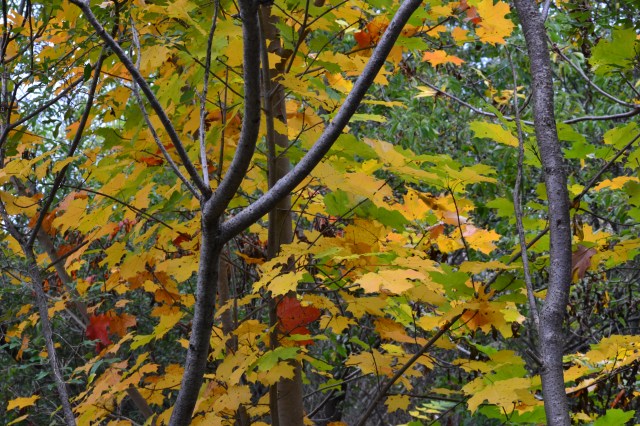
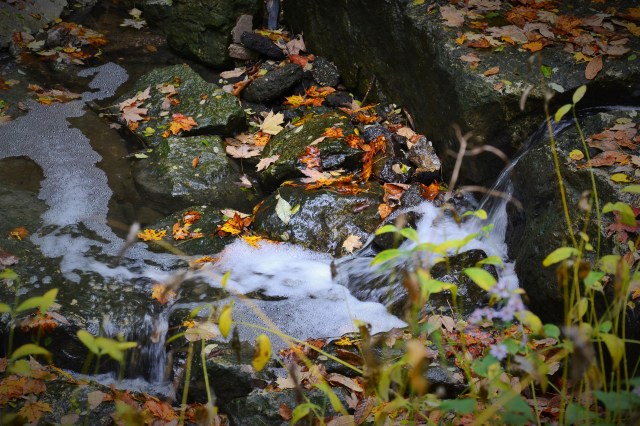
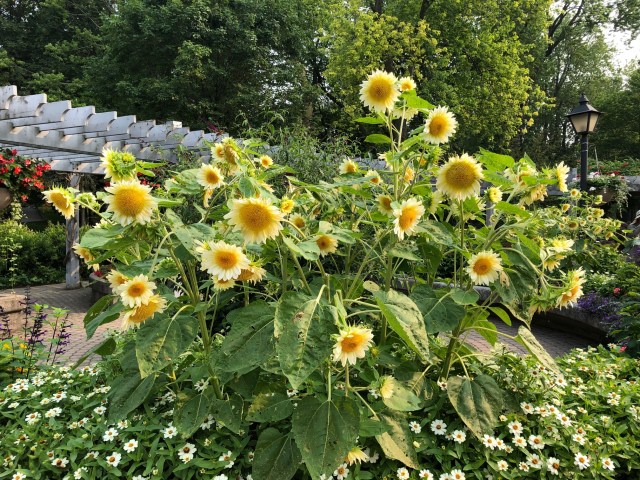
 A Golden falling at Rosetta Gardens


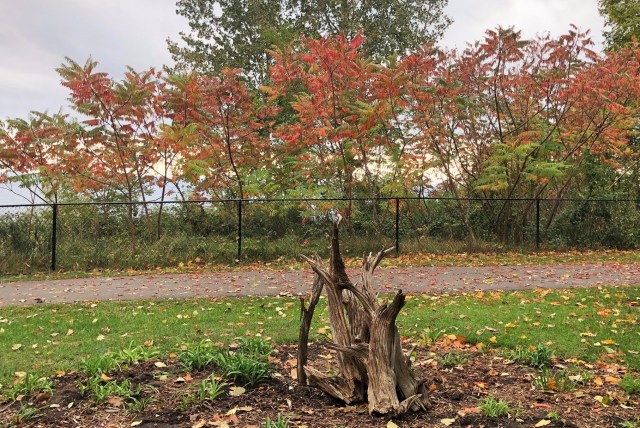
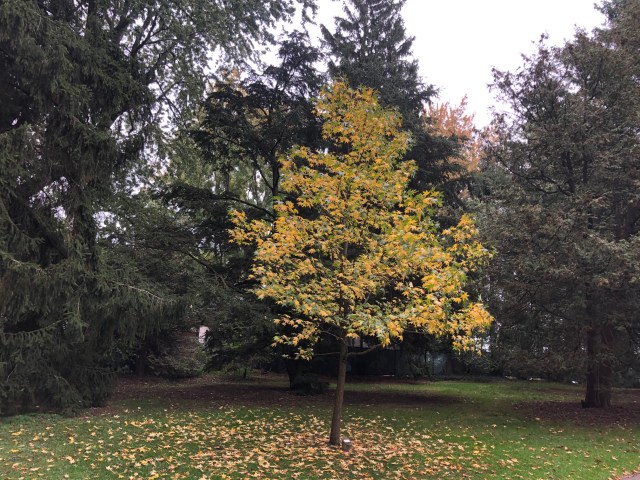


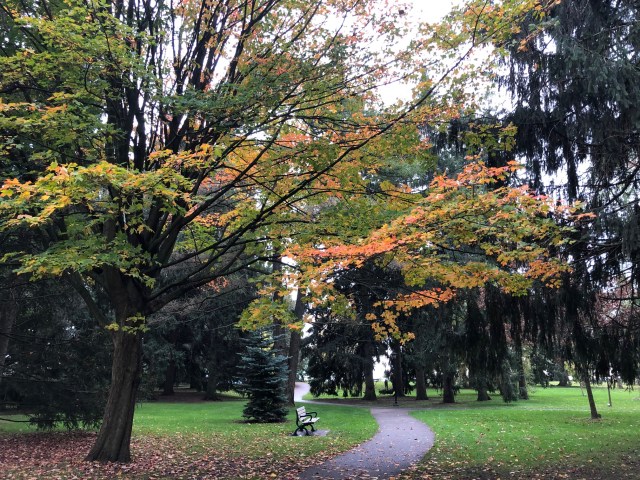

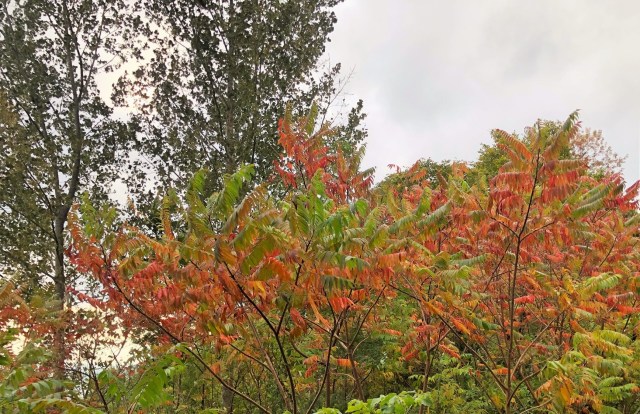
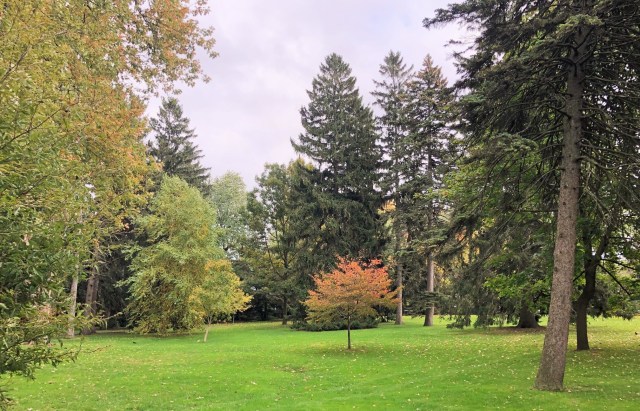

 Until next spring…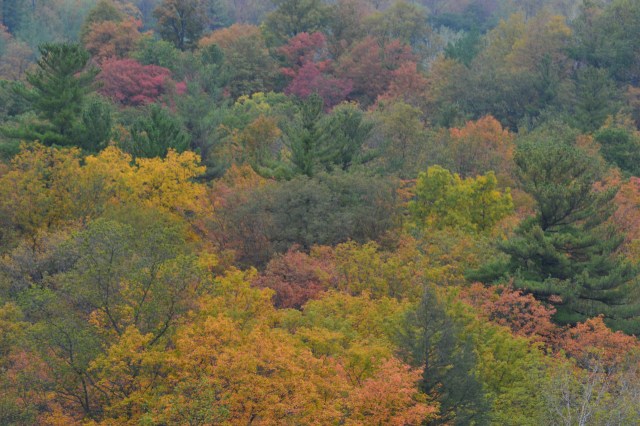








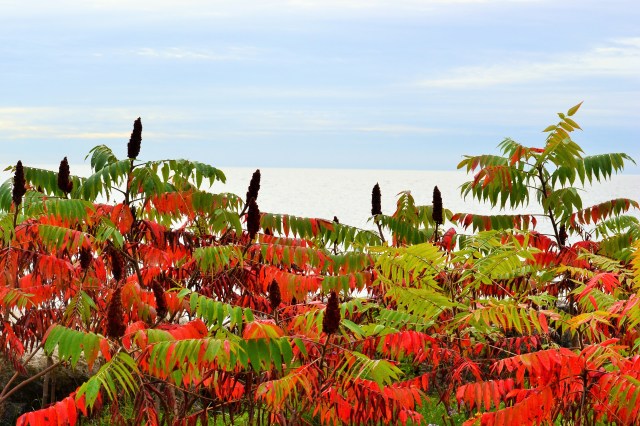









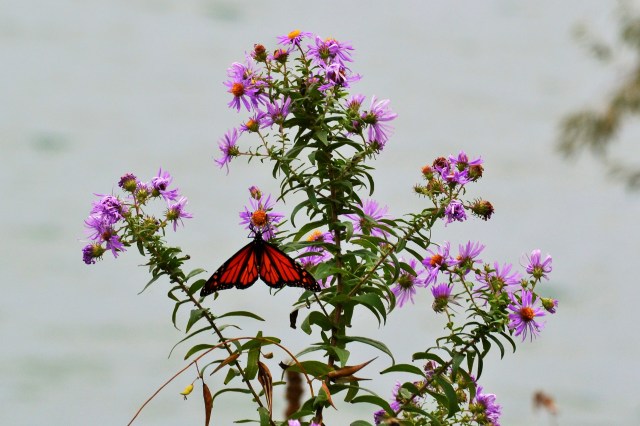

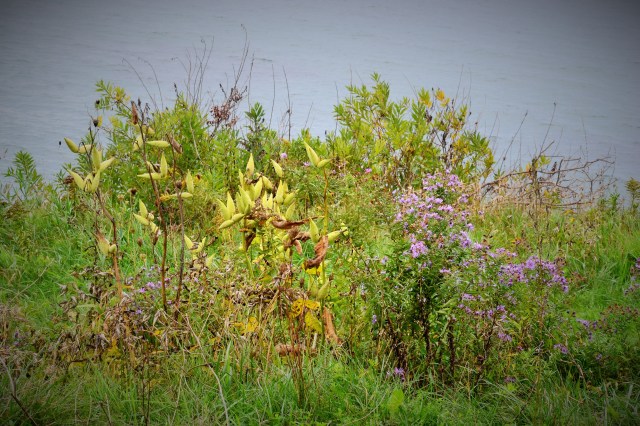
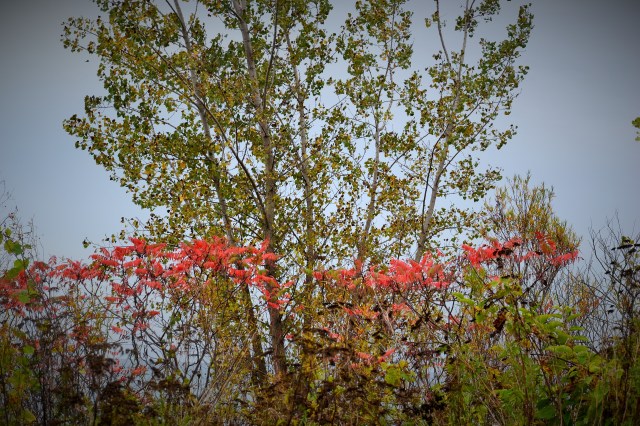


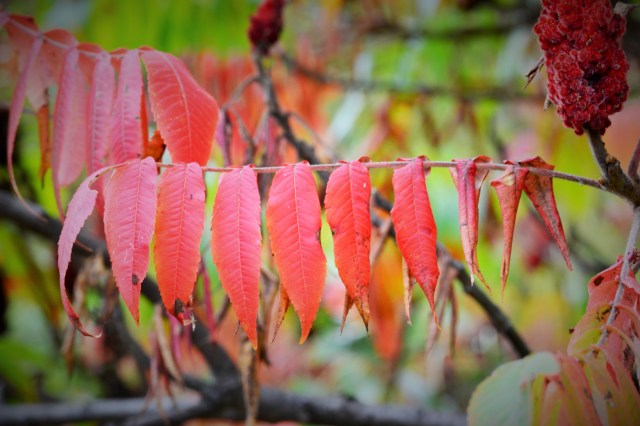




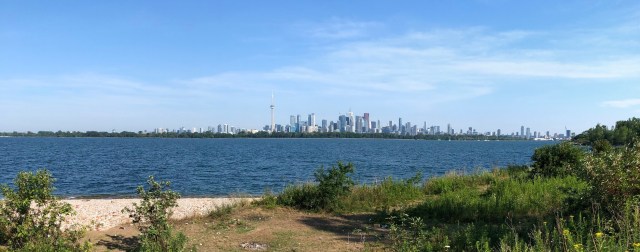








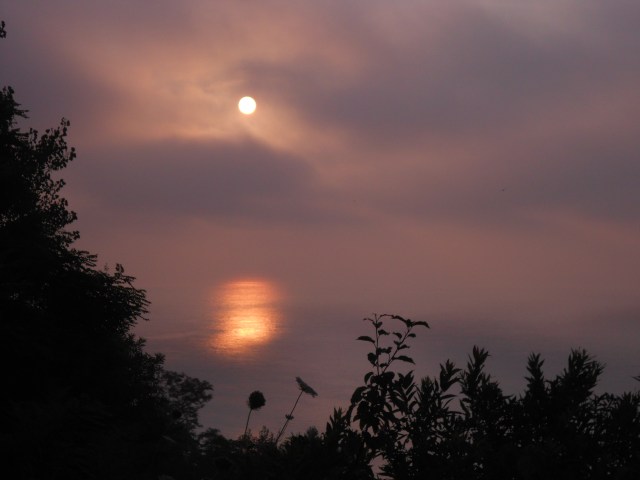 Sunrise over Lake Ontario from another August in Toronto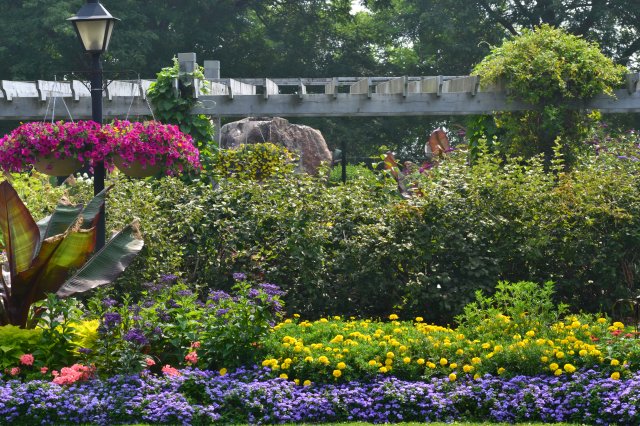
 A display of flowers in honour of Senhor Santo Cristo in the 1940s or early 1950s, from my family’s photo collection. Ponta Delgada, Azores.
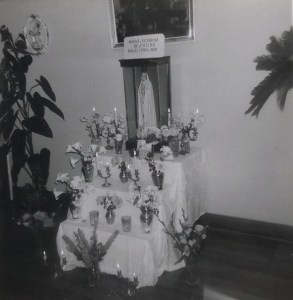 We would gather to pray the rosary in front of Our Lady of Fatima. Photo from May, 1969, Toronto, Canada.
 Photographing the garden
 Reading in the garden
 Blending in with the garden. Can you spot the person amongst the flowers?
 Painting the garden
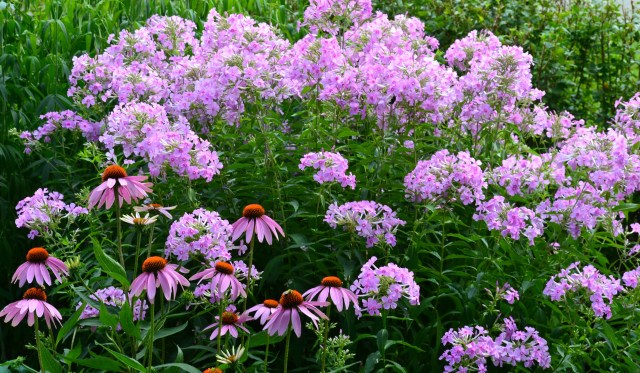


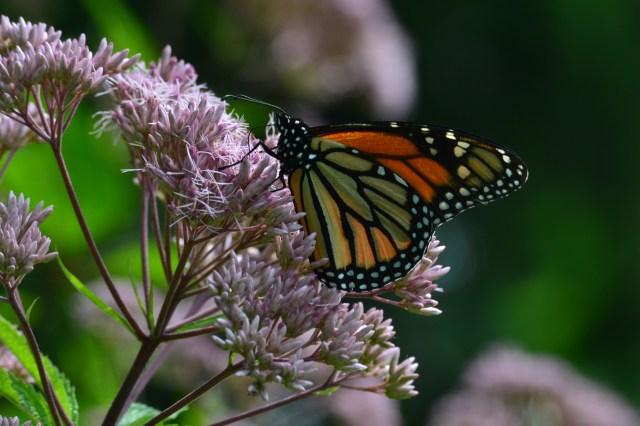


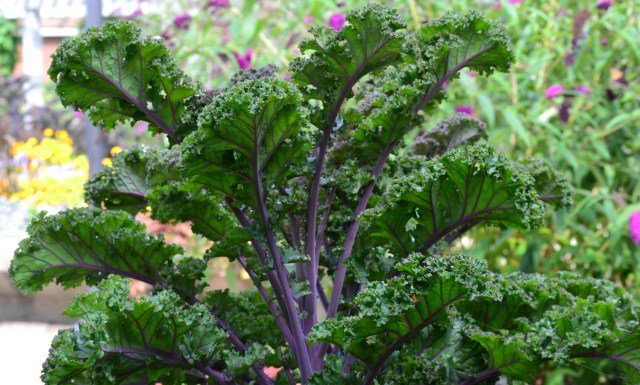


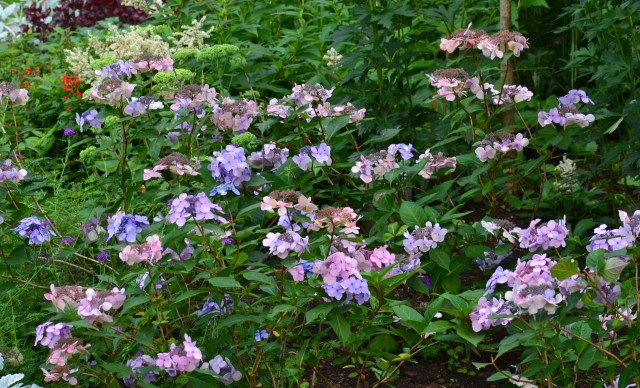
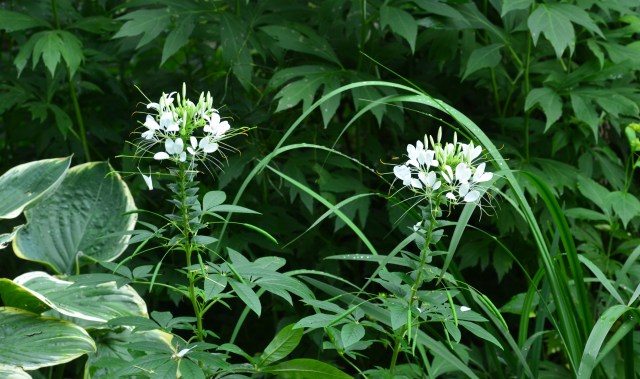
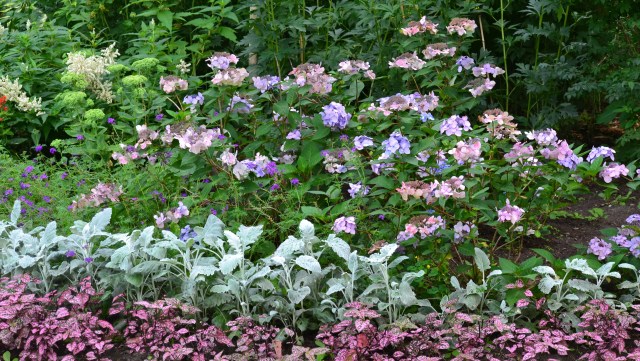
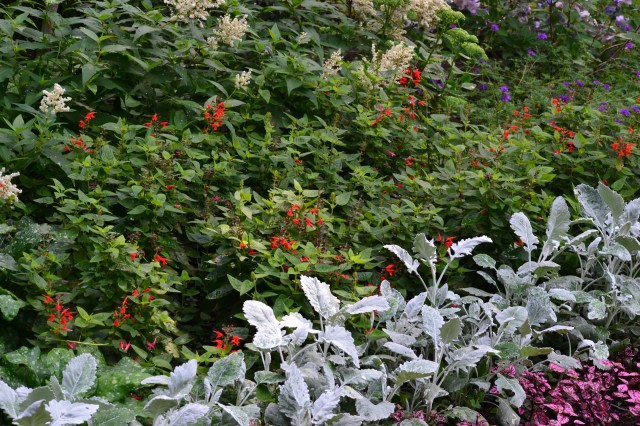

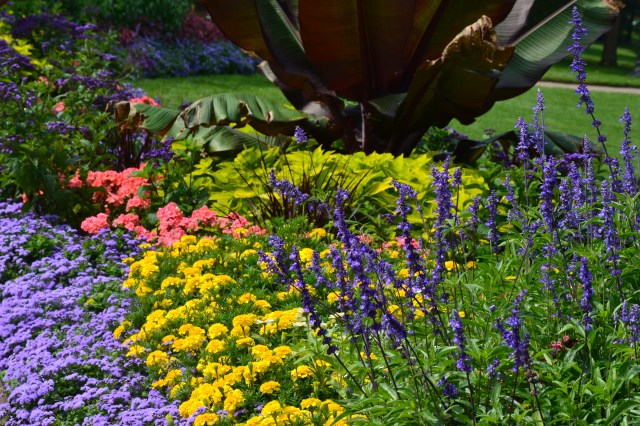
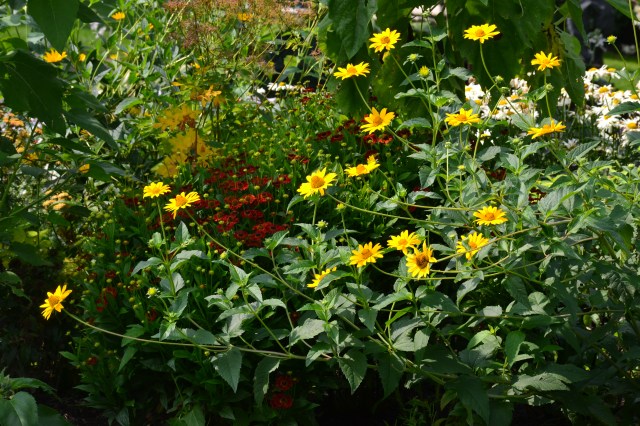
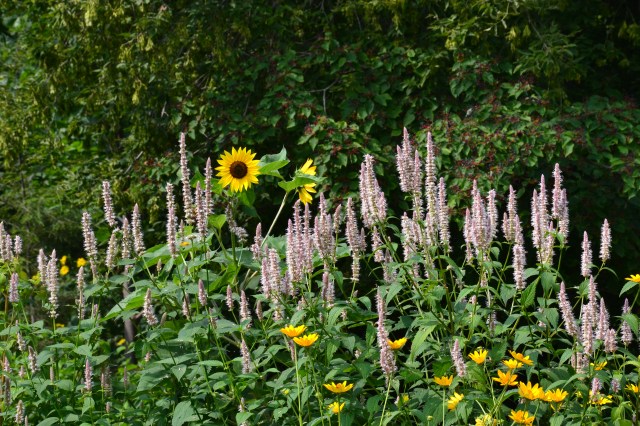

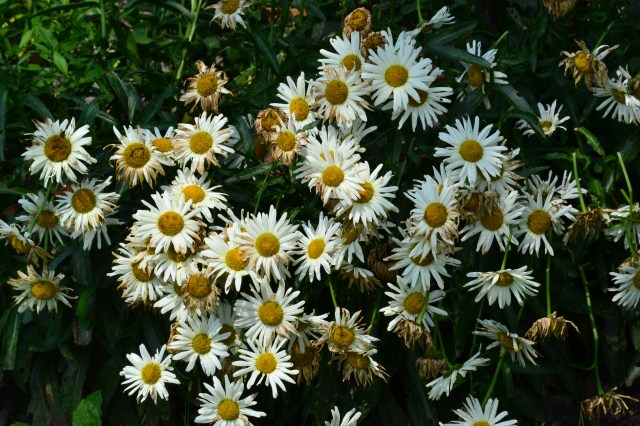


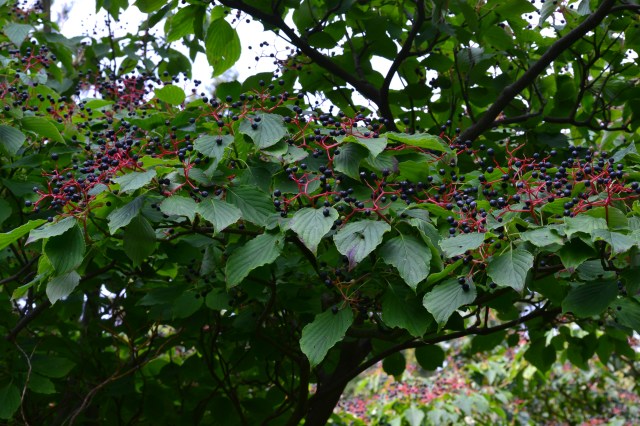


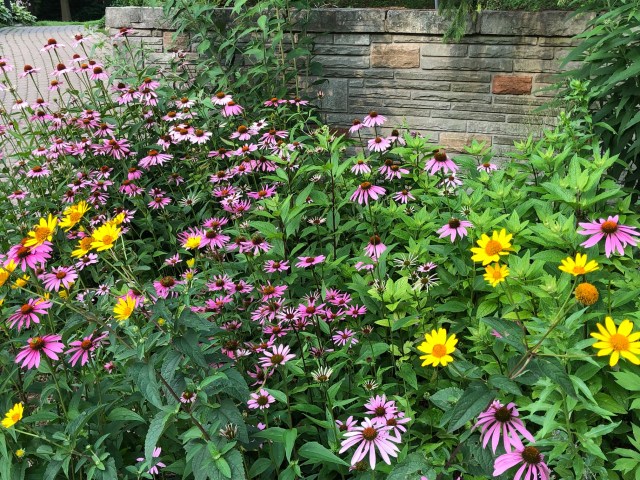
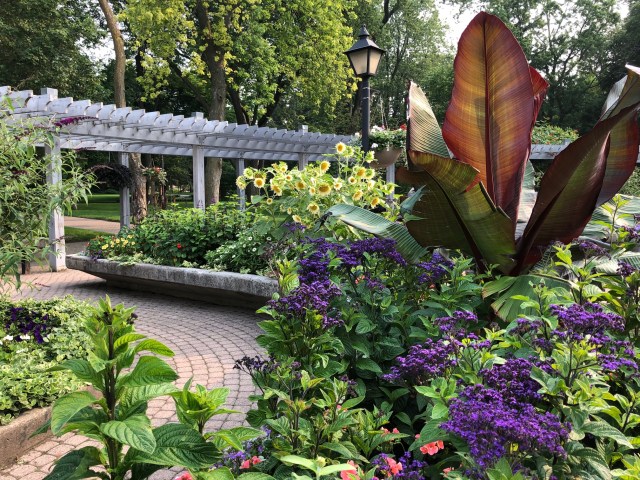 May the path take you on your own discovery of the garden






 Emanuel Melo torontonian azorean writer