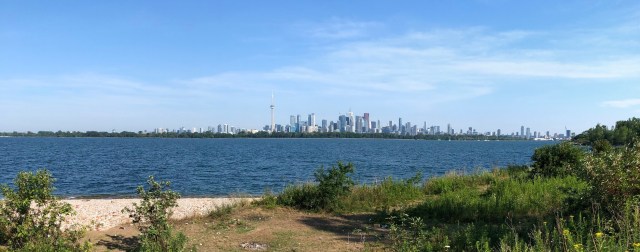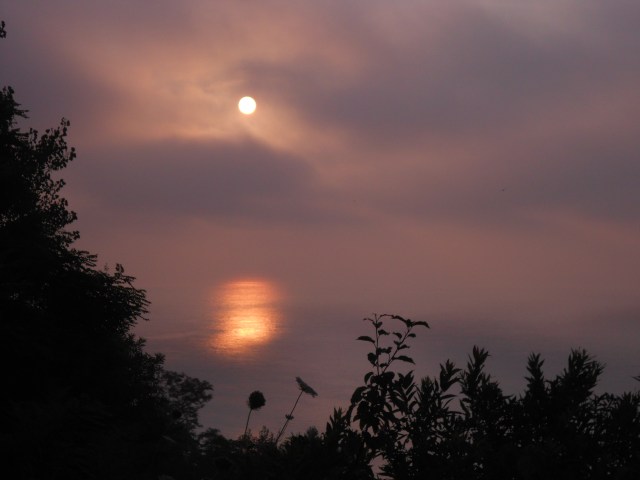
Sunrise over Lake Ontario from another August in Toronto
Every sunrise assures us of a new day coming and that the world is all right despite our human folly.
Sunrise over Lake Ontario from another August in Toronto
Every sunrise assures us of a new day coming and that the world is all right despite our human folly.

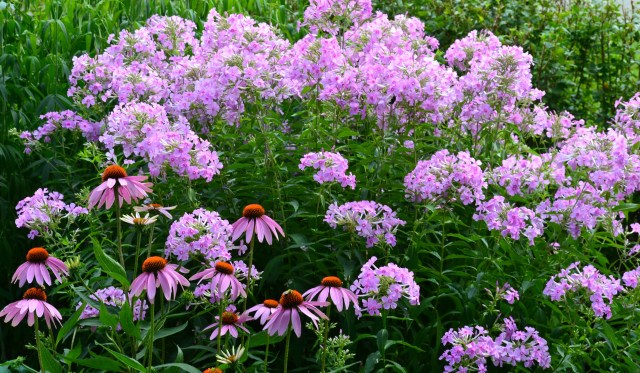
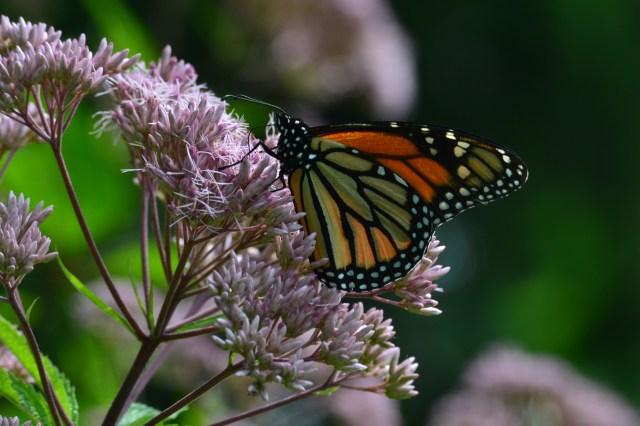
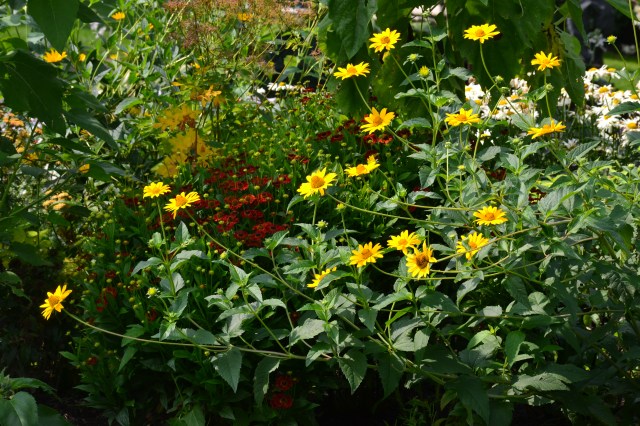
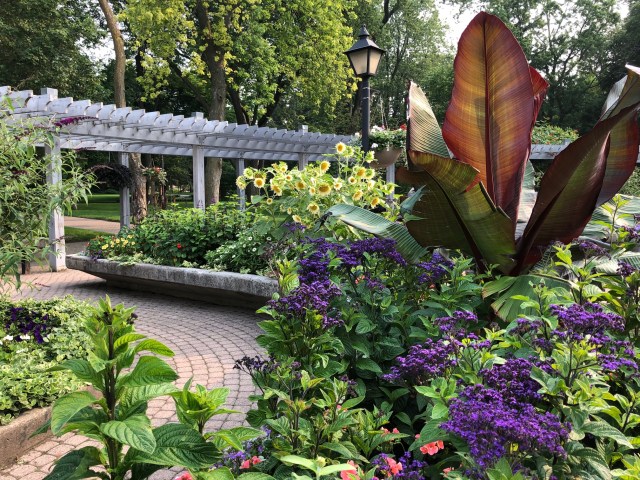
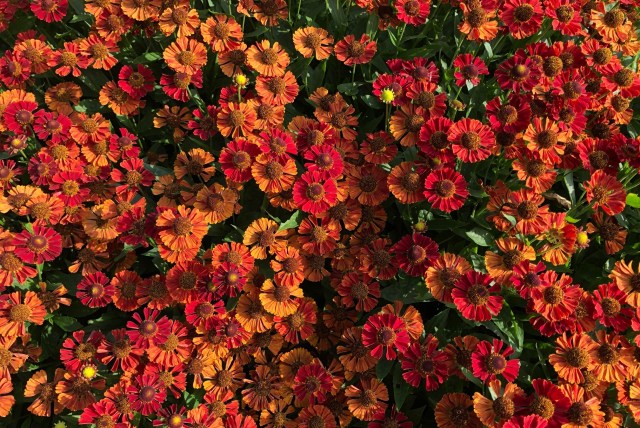
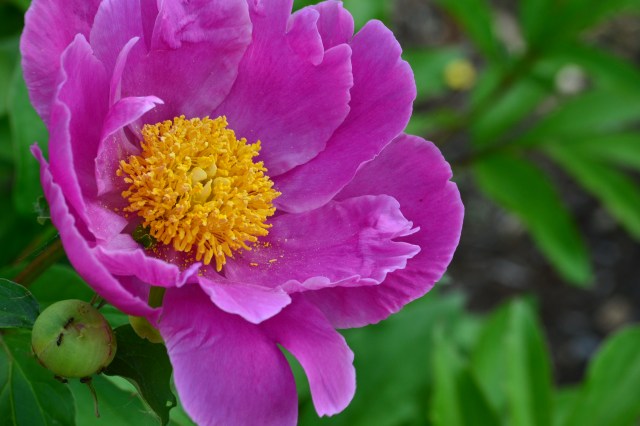
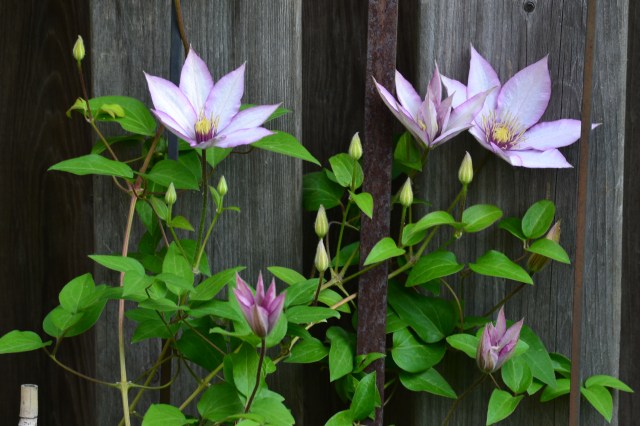
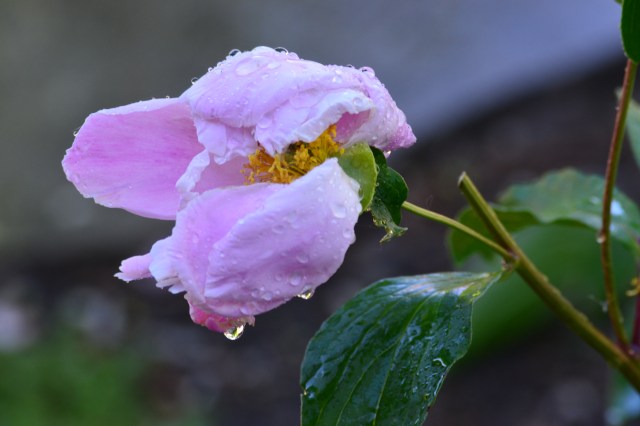
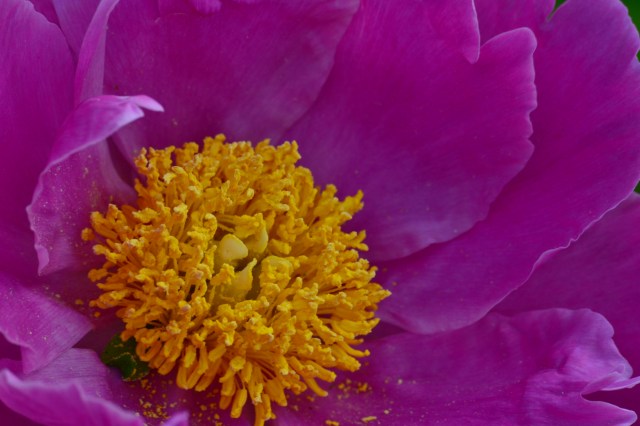
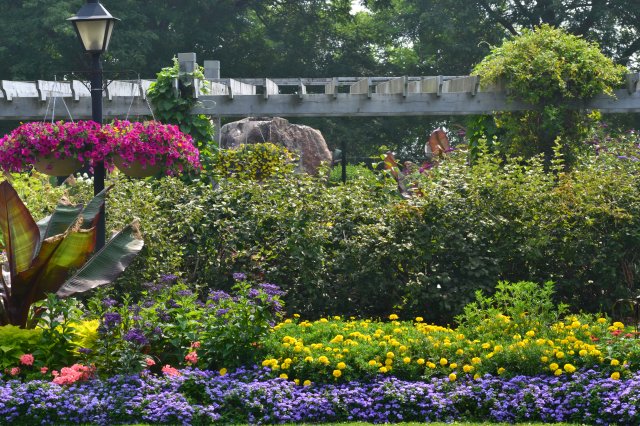
August in Rosetta McClain is a time to appreciate the array of colours found in its many flowers and plant life. People visit the garden for various reasons but mostly to photograph it, to read in a quiet spot, to sit in contemplation and even paint. Since the pandemic, there have been intimate family picnics which are, technically, not allowed, but they happen anyway, because there’s no better place than a garden for people to gather and be with one another. It’s good to hear the laughter of children and the relaxed look on people’s faces as they explore the garden, leaving behind the worries of the world.
Flowers have always been an important part of my emotional landscape. I grew up with them, not only in the house, where we kept flower pots of geraniums and coleus but also out in the garden. In public spaces on the Azores, flowers abounded, too. Flowers could be found in churches decorating the altars of the saints or on the procession routes throughout the city on the many feast days that brought the holy statues out of their churches and onto the streets of Ponta Delgada.
The religious use of flowers was not restricted to public display but was intimately a part of family life. In my parents’ and grandparents’ bedrooms, on top of their dressers would be a religious statue surrounded by fresh flowers. Their scent is still with me, and when I survey the beauty of the garden I have the privilege of walking in every day, I am reminded of the place of flowers in my memory of home.
A display of flowers in honour of Senhor Santo Cristo in the 1940s or early 1950s, from my family’s photo collection. Ponta Delgada, Azores.
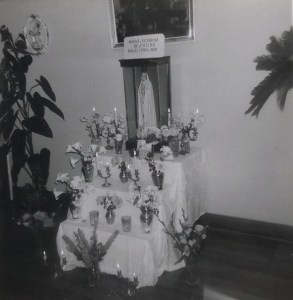
We would gather to pray the rosary in front of Our Lady of Fatima. Photo from May, 1969, Toronto, Canada.
And now, back to photos of Rosetta Gardens, the place that conjures up memories of my past.
Photographing the garden
Reading in the garden
Blending in with the garden. Can you spot the person amongst the flowers?
Painting the garden
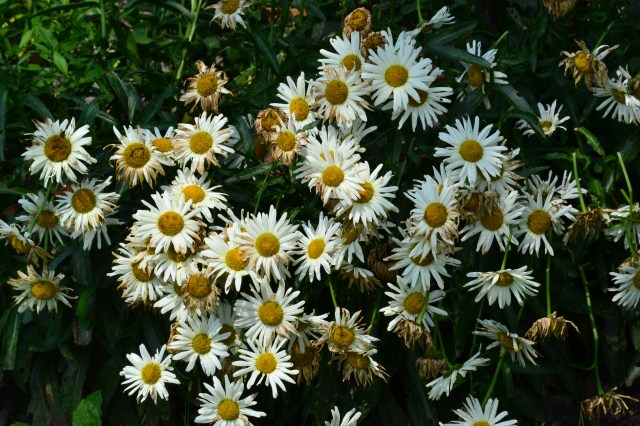


May the path take you on your own discovery of the garden
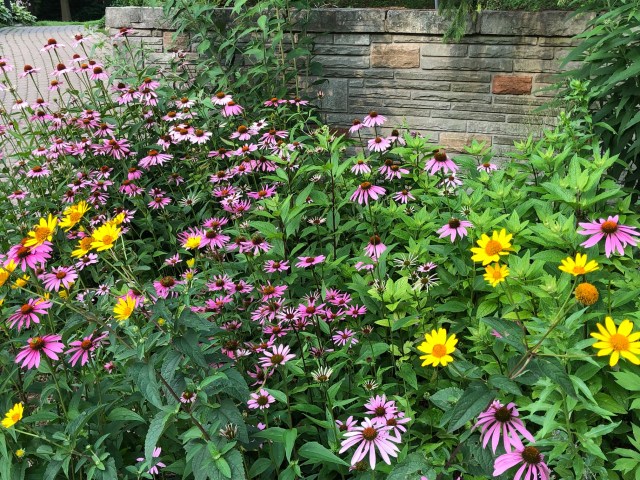

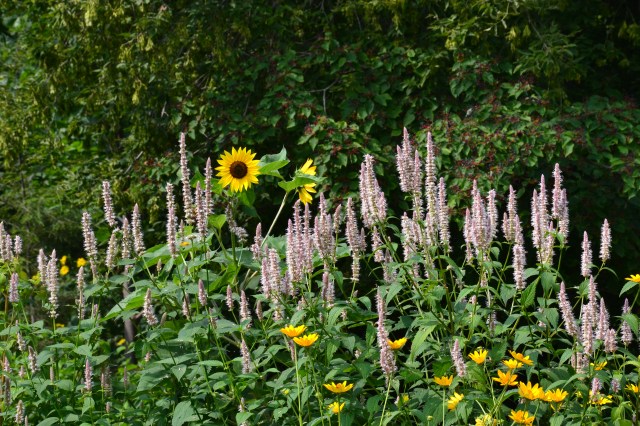
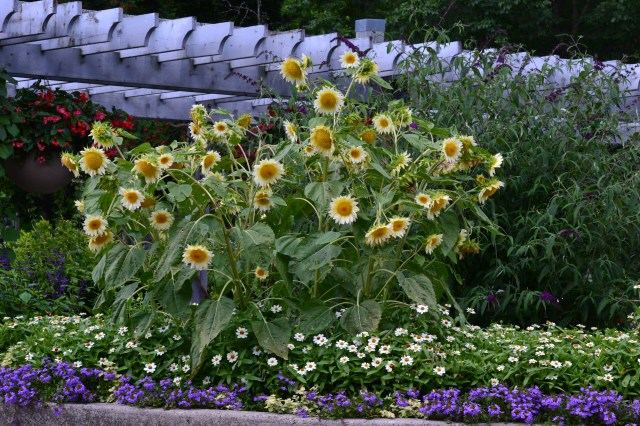
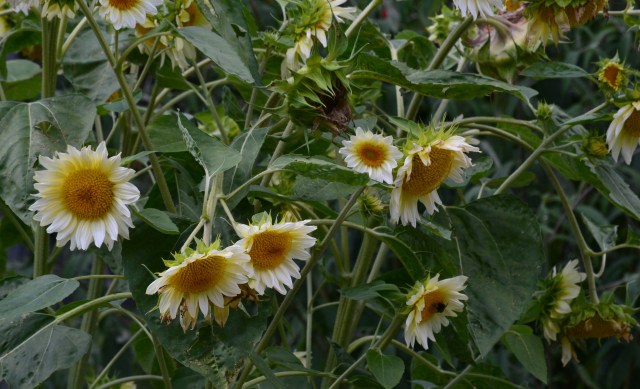
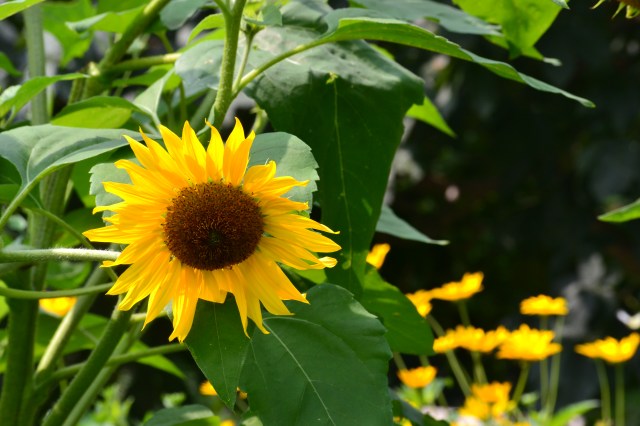
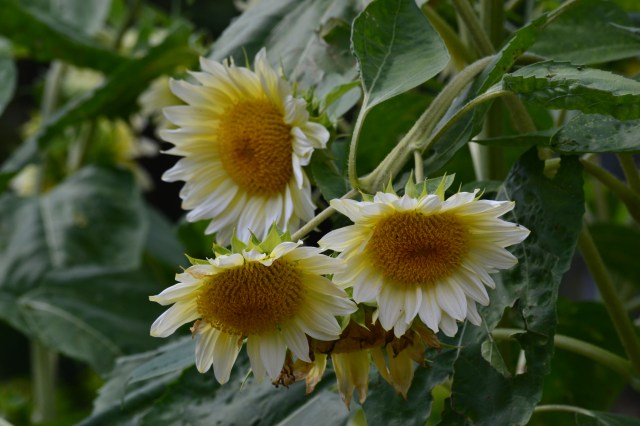
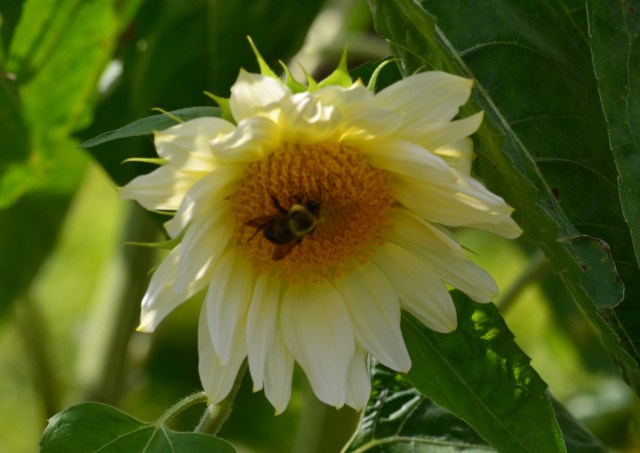
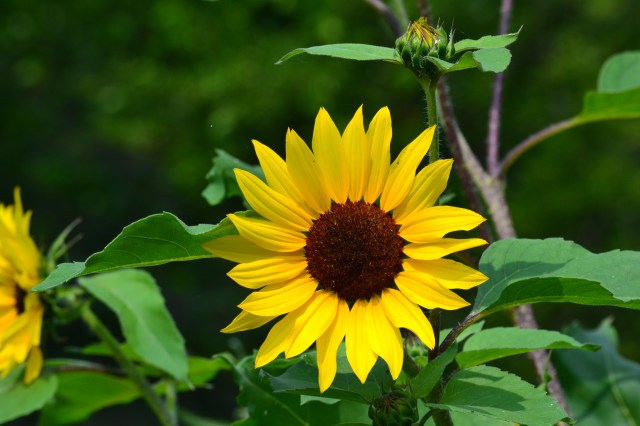
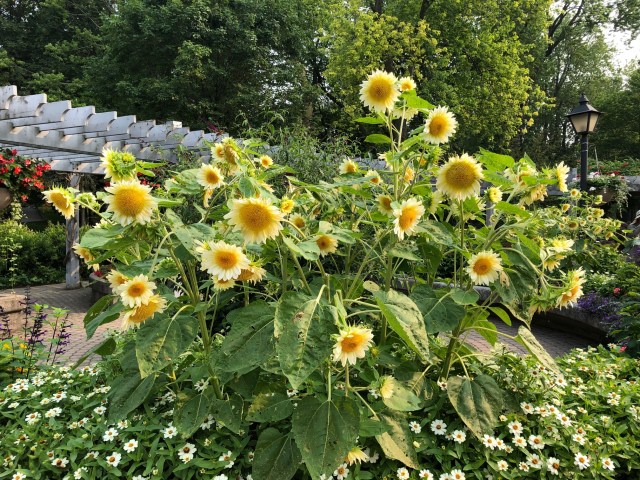
The Portuguese word for sunflower is girasol. I don’t remember seeing them when I was growing up in Ponta Delgada but I do know that they grow on the island of São Miguel. My mother tells me stories of how she loved them when she was a child, so I don’t know why she didn’t have them in our small garden.
Rosetta McClain Gardens has sunflowers in July and August. It’s a pleasure to see them on my walks and for some reason, when I see them, I try to recall the past. Surely I must have seen them somewhere back home, so my mother assures me, surprised that I don’t remember. Yet, I rely on her memory to inform mine. Which begs the question, do we always remember accurately or is memory-saudade-nostalgia seeking something else?


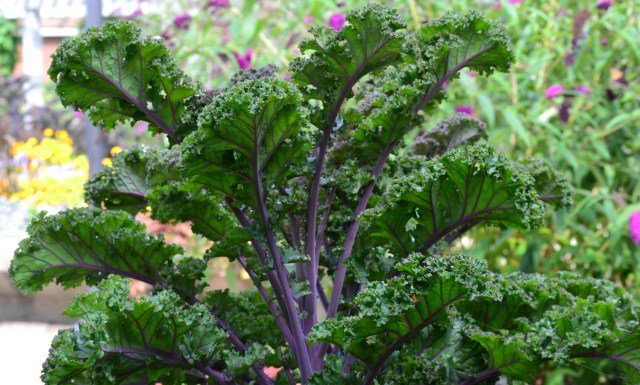
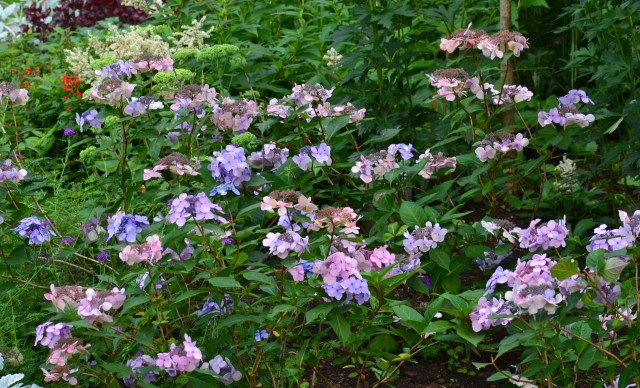
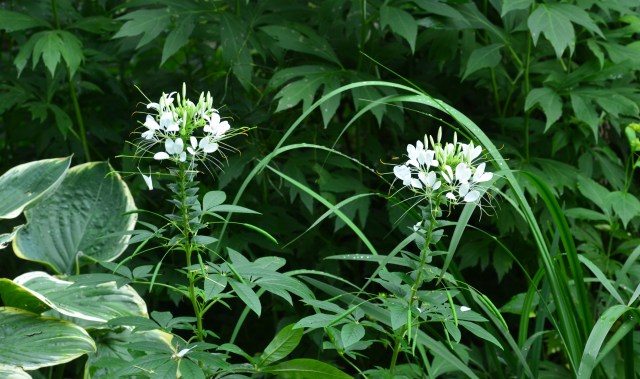
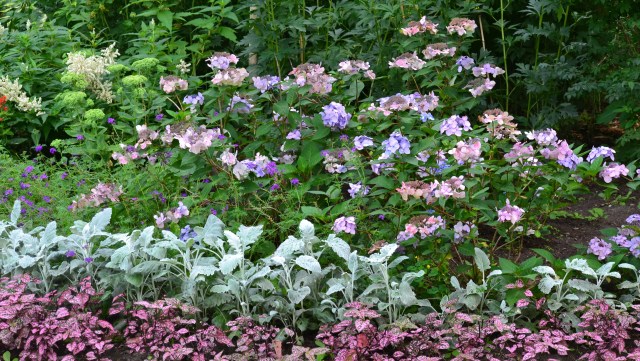
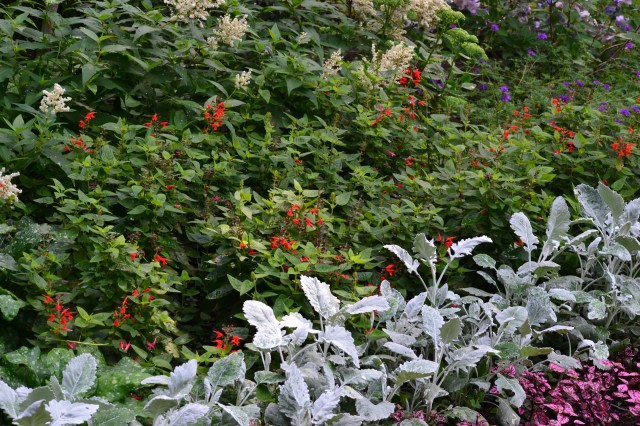
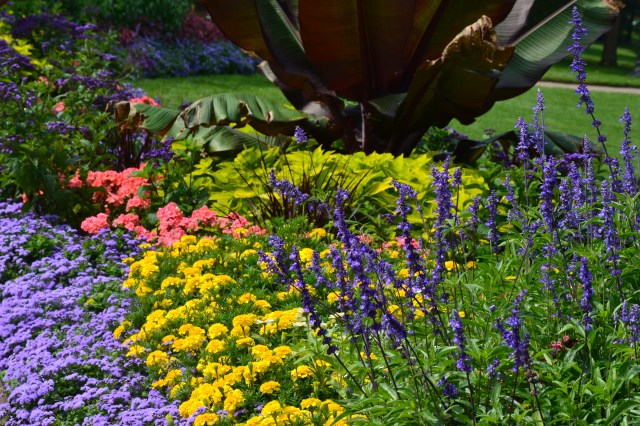
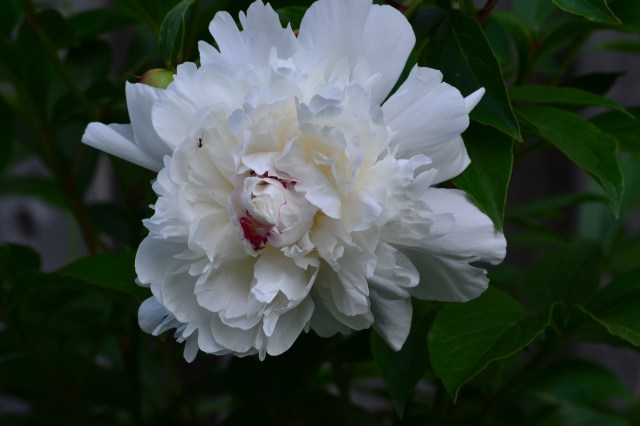
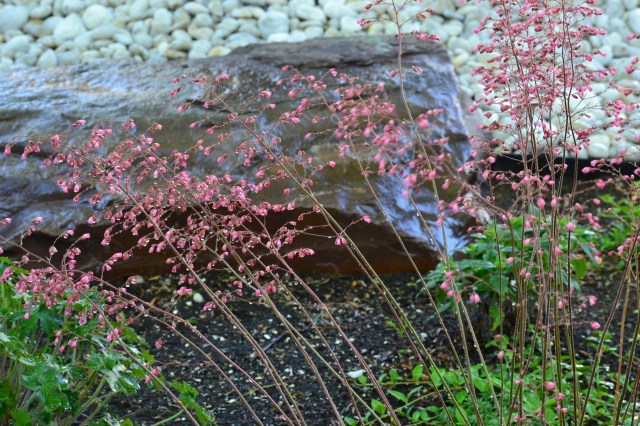
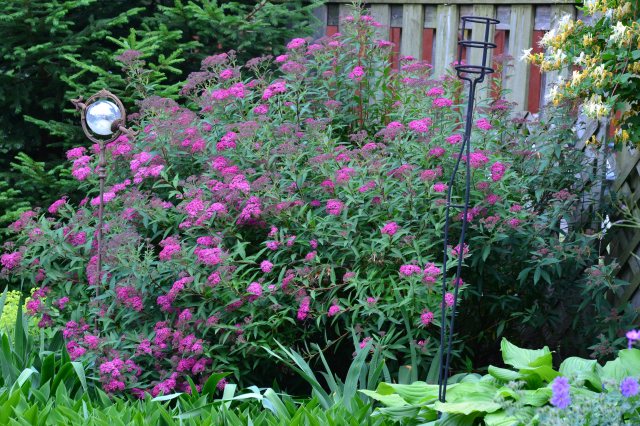
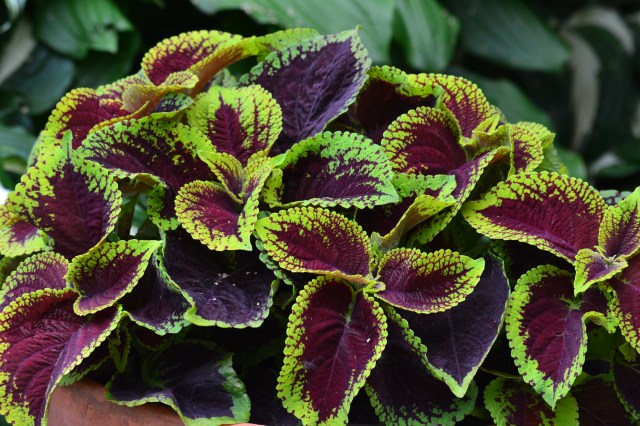
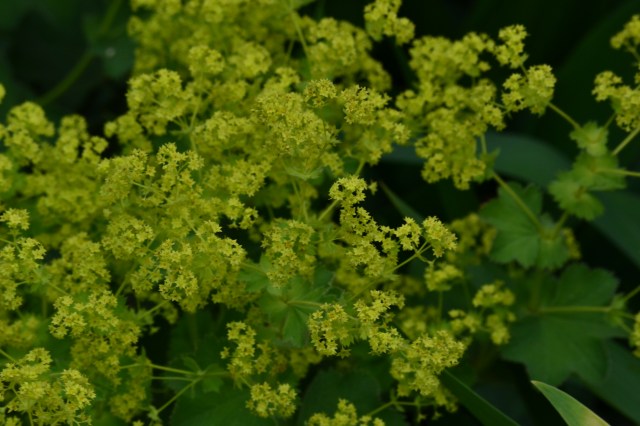
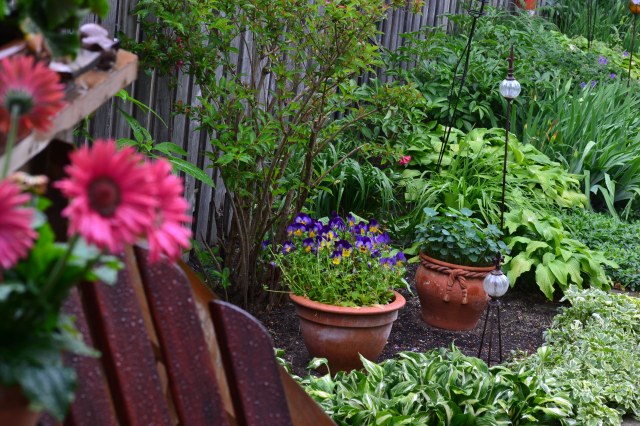
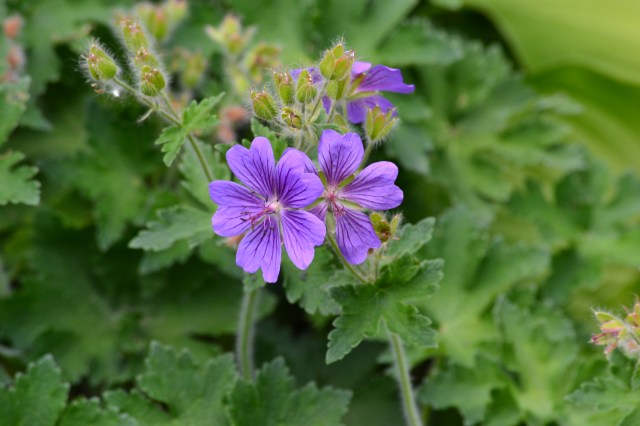
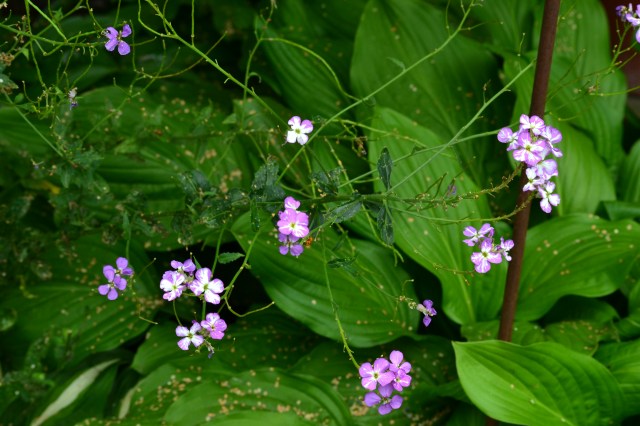
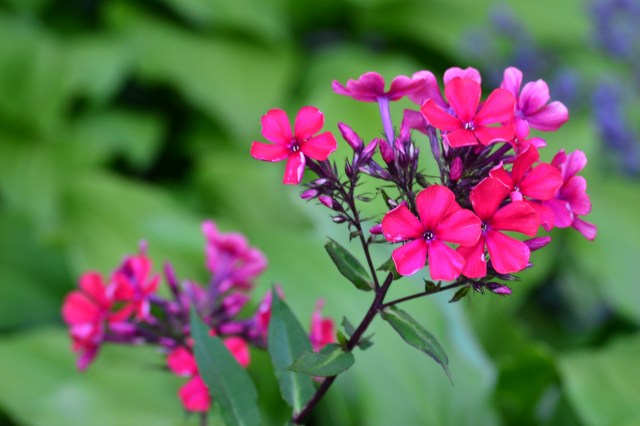
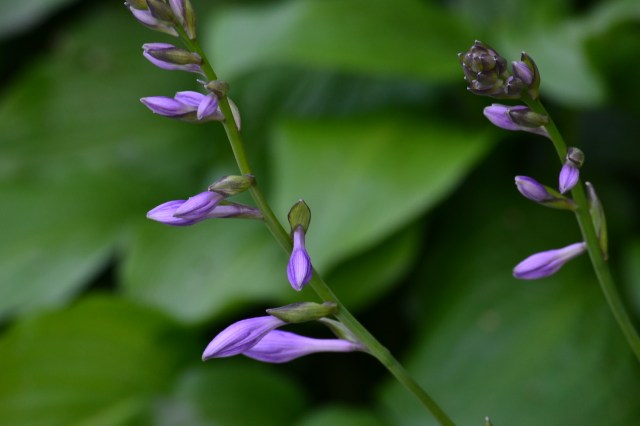
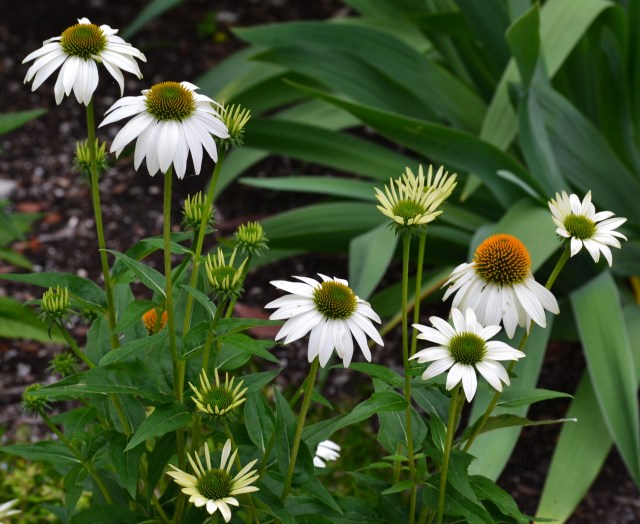
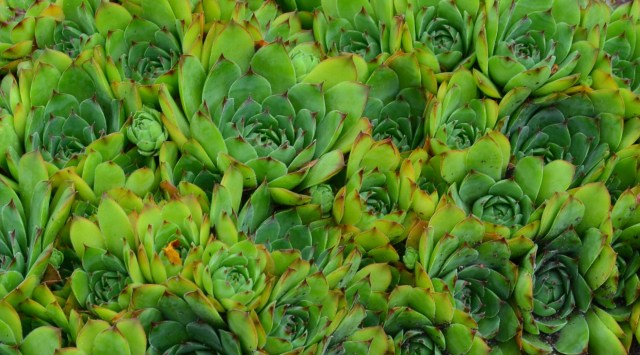
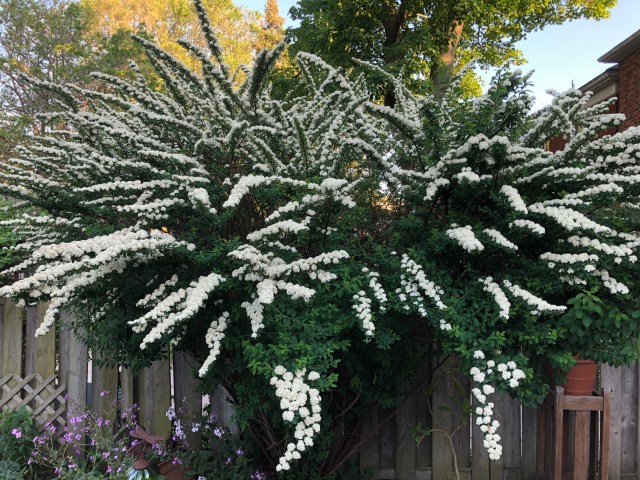
After all my recent posts reminiscing about long ago visits to Portugal, it’s time for me to get back to my Toronto garden and stay there as much as I can during these short summer months. Here’s some photographs from June and early July.


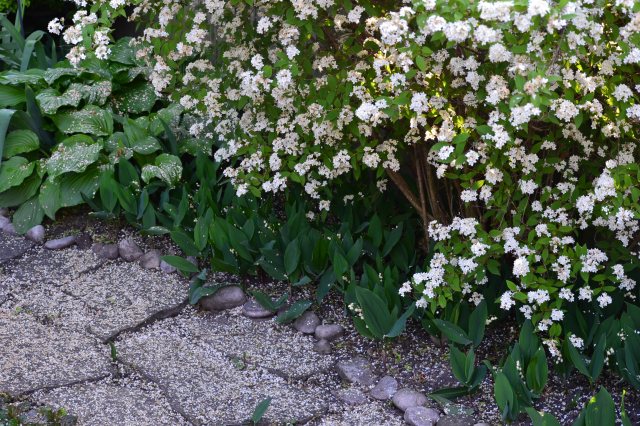
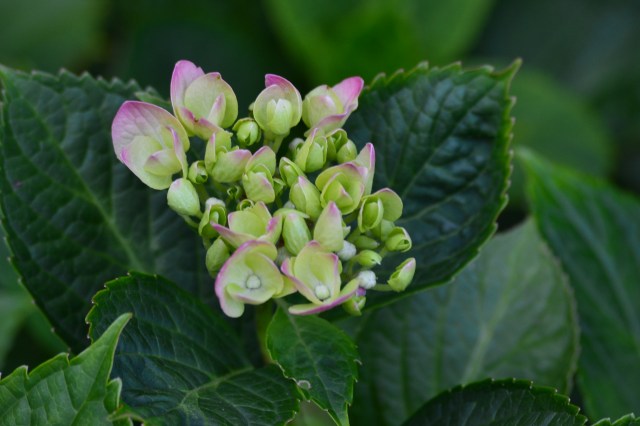
Hydrangea on the way
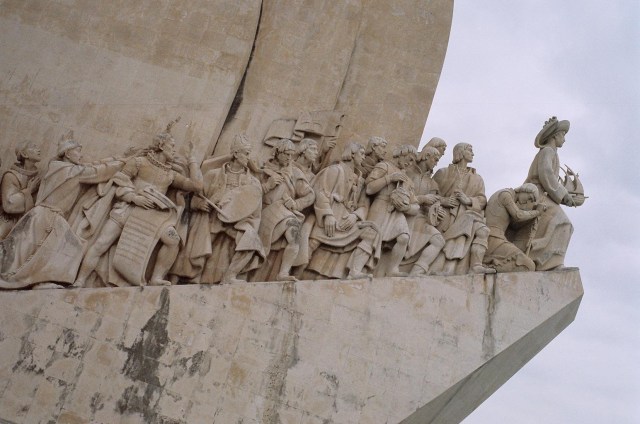
Padrão dos Descobrimentos (detail)
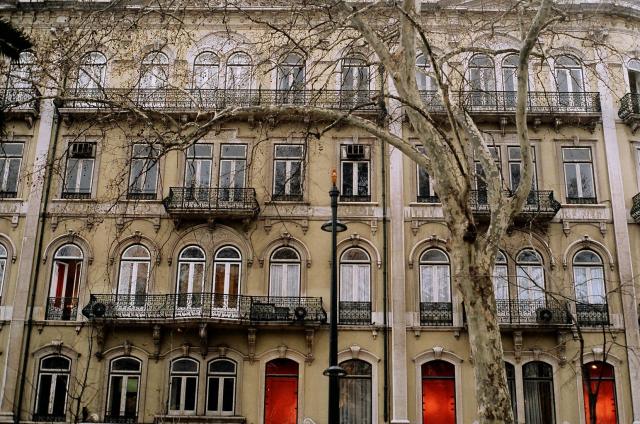
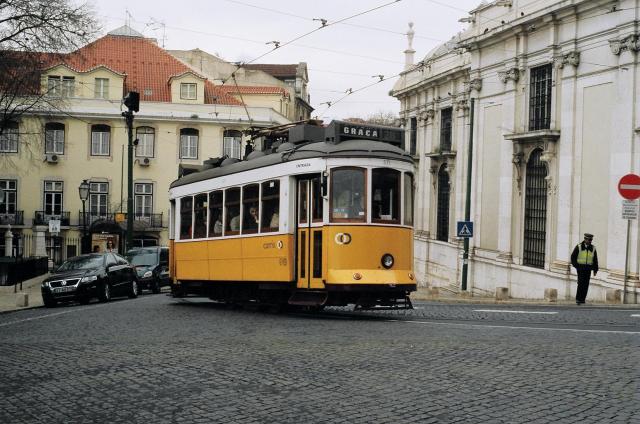
Avenida da Liberdade
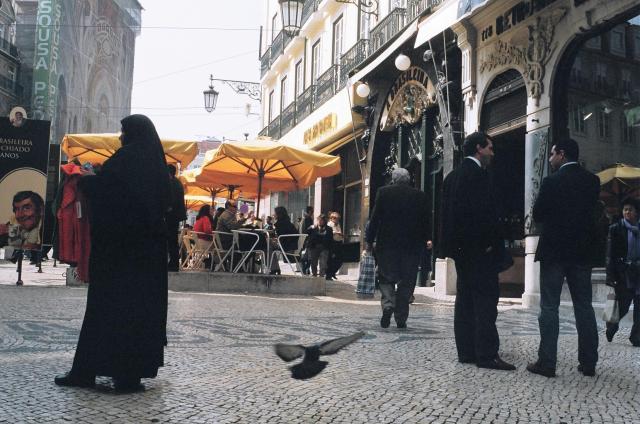
Café Nicola
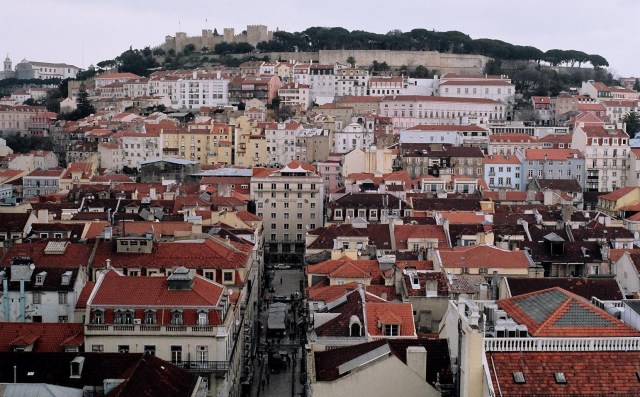
Praça do Rossio seen from the Santa Justa elevator lookout
Steps leading to York House Hotel, Rua das Janelas Verdes
Window view from our bedroom at York House Hotel
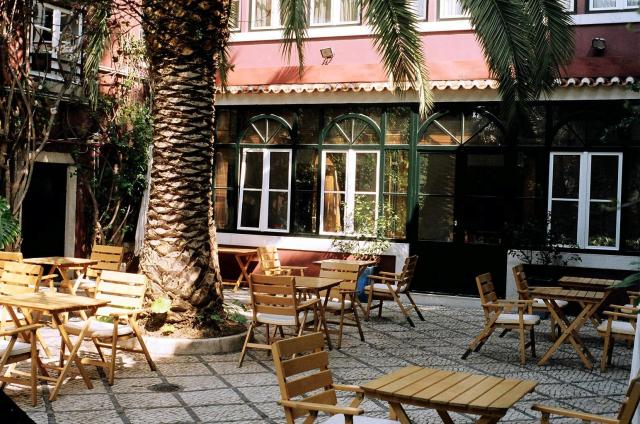
York House Hotel patio
One of the many beautiful buildings on Avenida da Liberdade
Looking toward the Rio Tejo
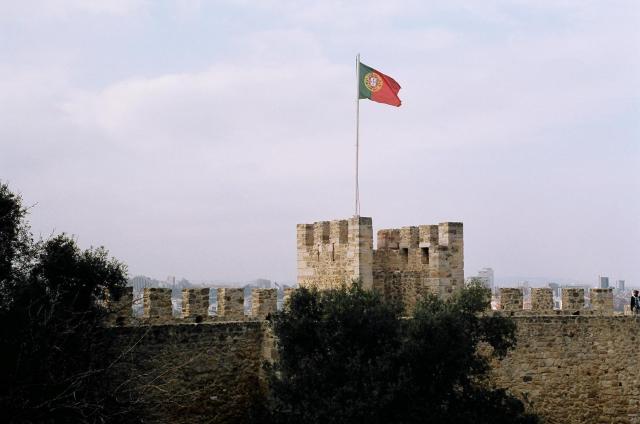
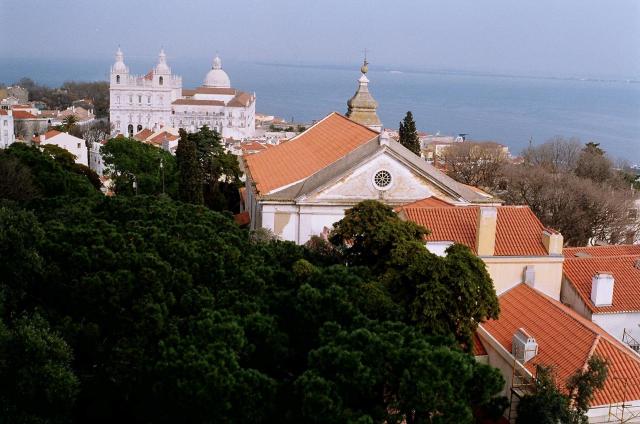
Castelo de São Jorge above the city
Castelo de São Jorge
On a quiet street near the castle
View from Museu Tesouro da Sé Patriarcal de Lisboa
The cruise ships have gotten bigger since 2006
City life
Another view of São Vincente de Fora and Panteão Nacional
All aboard to see the Lisboa of today
Views of São Vincente de Fora and the dome of Santa Engrácia, Panteão Nacional
The elevador de Santa Justa for beautiful views of the city
Dome of the Panteão Nacional
Basílica de Santa Maria Maior, Sé Patriarcal de Lisboa


Basílica da Estrela
Basílica da Estrela dome
Basílica da Estrela
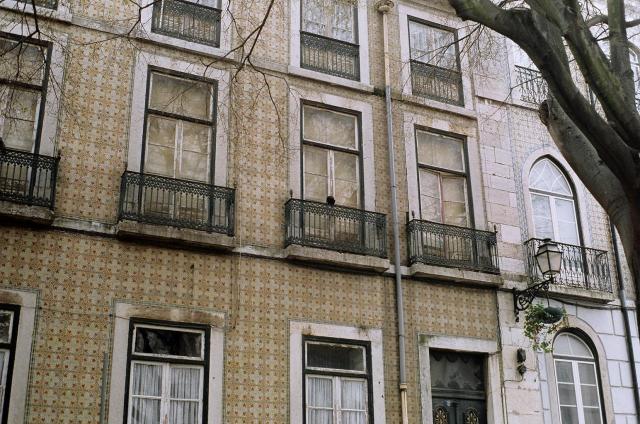
A certain beauty in the decay but I hope this building has been restored

I have visited Lisboa five times. That may not seem like a lot for those who love to travel to Portugal more often, but I am content with my few visits. Each time, I do get something new out of my experience, even when I am revisiting favourite spots, curious to see if anything has changed since the previous visit. Of course, like all cities, Lisboa has evolved from the time I first saw it in 1984. I had a pocket camera back then and didn’t take too many photographs, which was a good thing because I was able to focus on the moment while exploring the city.
However, by the time of my second trip, in 1989, I had a good camera with me, and so I took more photographs. In the age of rolls of film, it was still a limited number of photos I could take but I always had rolls of 36 exposures rather than the modest 24 in order to get a few extra pictures! As it was, they took much space in my carry-on bag, something I don’t regret giving up once digital cameras became the norm.
These photographs are from my second trip. Back then, I was interested in finding an older Lisboa, the one in my imagination, and so I took many photographs of decaying buildings. I include them here, along with photographs of a timeless Lisboa.


I visited Sintra in October of 1984 and then in late-September of 1992. I mention the months because the fall light cast a spell over me and allowed me to experience Sintra as a magical place; full of early-morning mist moving over the castle walls, as we meandered in silence, taking in the peace and fresh-scent of the forest that surrounded us. There is much that has been written about Sintra and its appeal to travellers, including the poet, Lord Byron, who praised Sintra in his famous poem, Child Harold’s Pilgrimage.
Rather than retell the stories easily available on-line, I prefer to share these photographs of a place and time that I am grateful to have experienced.


Me in Sintra, 1989
Mercado Municipal de Viseu in 1992
What fascinates so many travellers about markets? I know that here, in Toronto, the St. Lawrence Market is also a favourite tourist destination. Markets allow us to enter the world of the “locals” and see people at their most relaxed; usually on a Saturday morning, as they browse through farm-fresh fruit and vegetable stalls or pick out flowers for a weekend dinner party, excited to interact with the people who actually grow the produce they bring to the city to sell.
I have experienced the St. Lawrence Market as a “local,” not as a tourist. As a “local,” I am absorbed in my purchases; as a tourist I am focused on observing my surroundings. The tourist is still the outsider, taking photographs of oranges and lettuces as if they were some exotic things.
So, when I have visited markets in Portugal, I am the outsider taking the photographs of oranges and lettuces. I enjoyed walking through the mercados in Viseu, Porto, Vila Real de Santo António, as well as Ponta Delgada in the Azores.
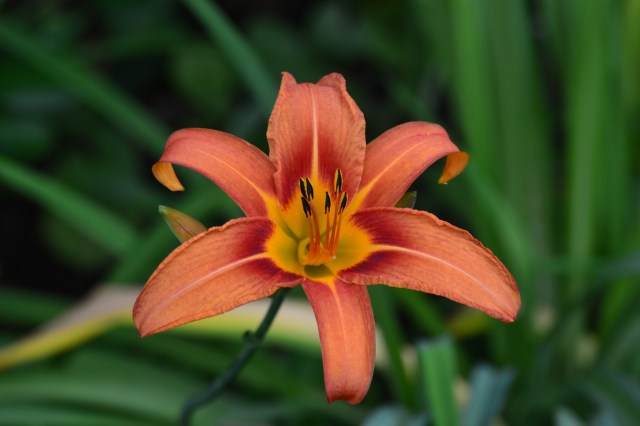
But it’s not so much the produce of the mercados that entices me to linger just a bit longer than necessary for someone who is just looking; it’s hearing the cacophony of people’s voices speaking in a language I love.
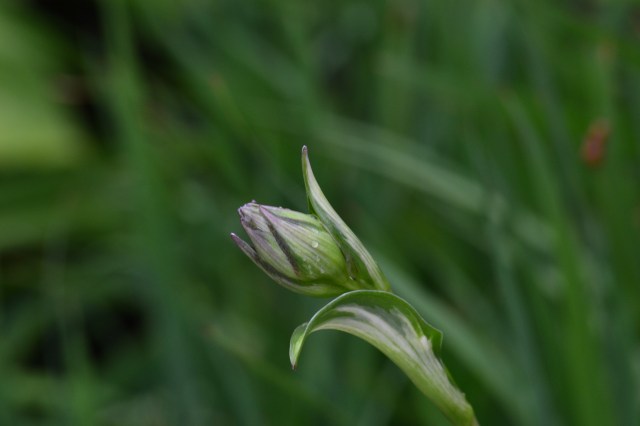
Viseu, 1992
Viseu, 1992
Porto, 1984
Vila Real de Santo António, 2009
Mercado da Graça, Ponta Delgada, São Miguel, Azores, 2000
Outside mercado da Graça, Ponta Delgada, 2000
Mercado da Graça, Ponta Delgada, 2001
Mercado da Graça, Ponta Delgada, 2008
The middle box contains grosselhas, tart yet delicious. Mercado da Graça, Ponta Delgada, 2008
Old mercado de Viseu, 1992
A window in Óbidos, looking out into Óbidos
It was such a very long time ago when I had the pleasure of staying for several days in Óbidos, one of Portugal’s most charming medieval walled towns.
The memory of walking its quiet deserted streets in the early morning hours before the arrival of the thousands of people who descend on Óbidos daily is one that has stayed with me ever since that visit.
These photographs were taken in 1992. I haven’t been back to Óbidos since then. I hope the town has retained its look and that it still delights those who have the pleasure of walking through its streets where flowers adorn walls with such abundance.