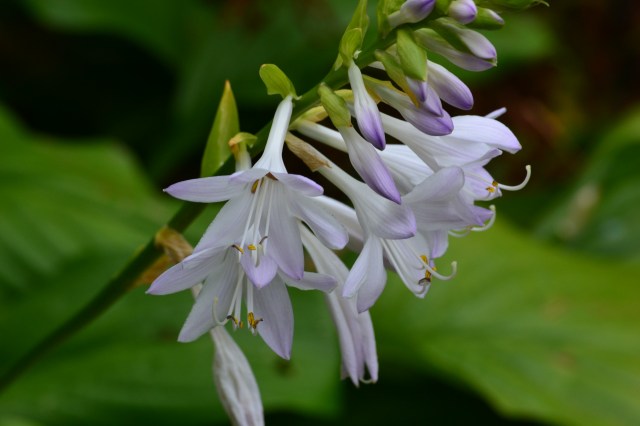
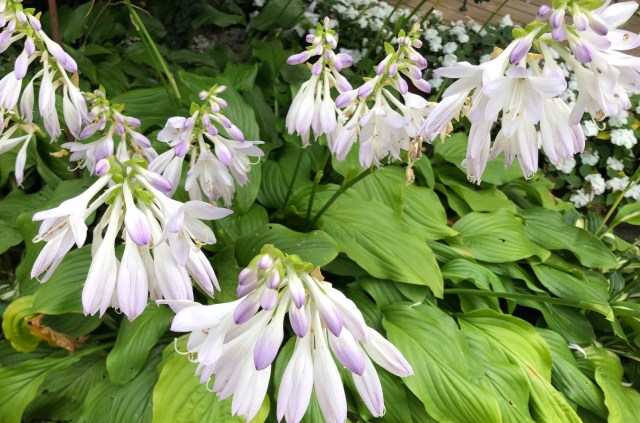
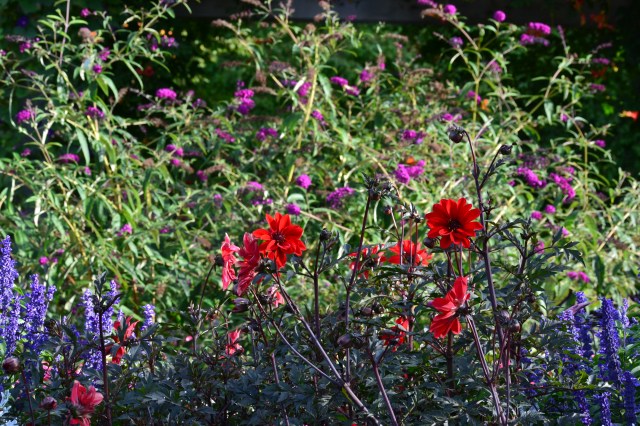
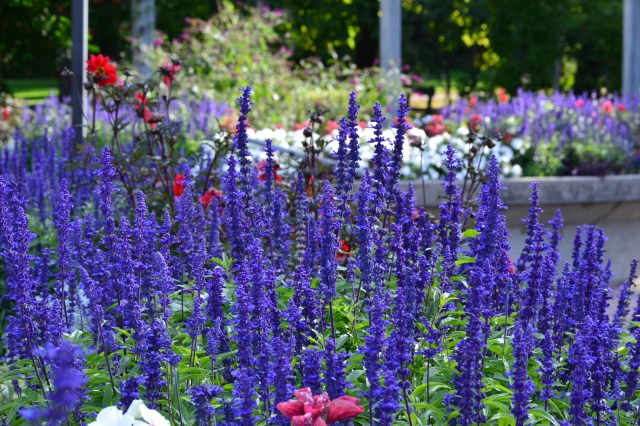
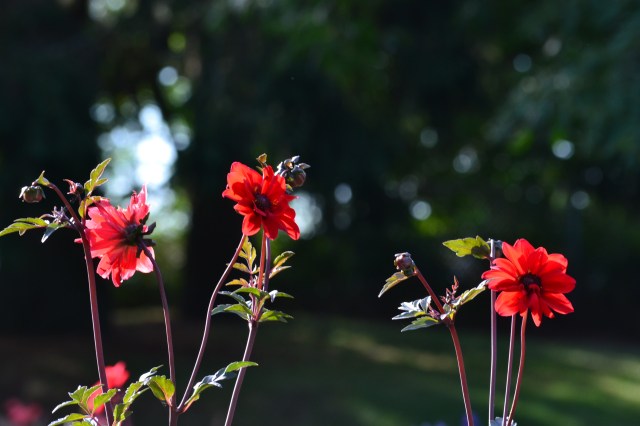
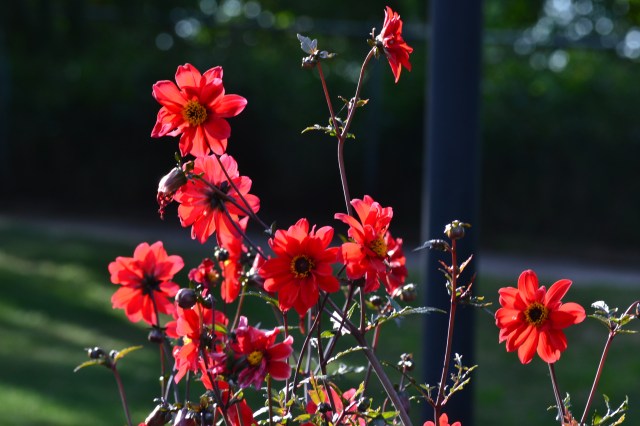
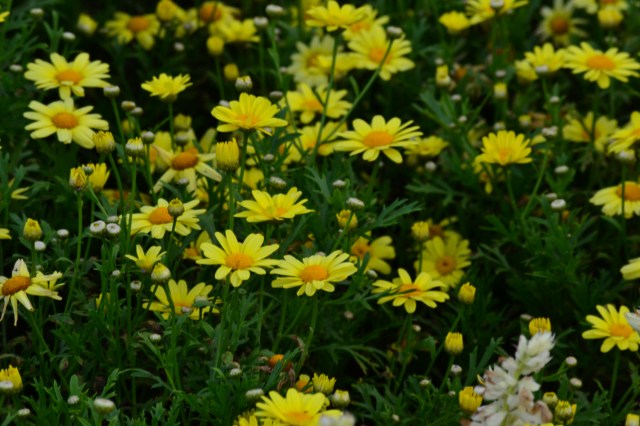
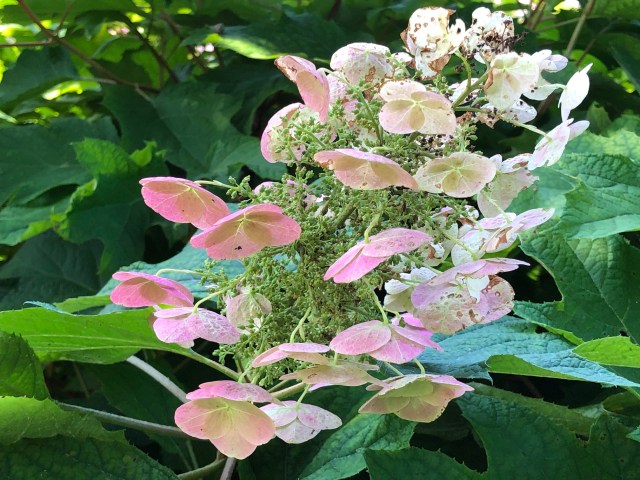
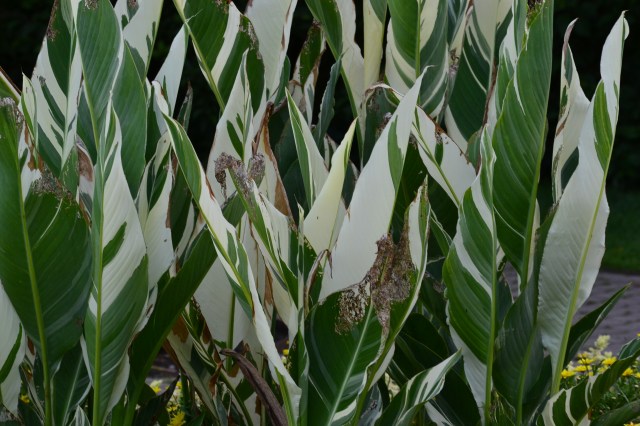
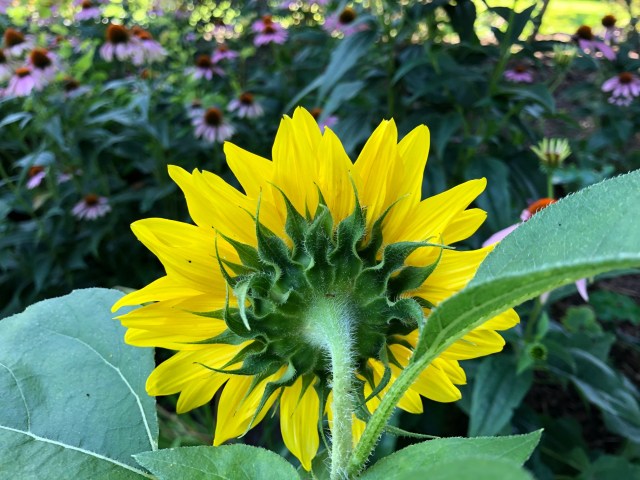
I remind myself that I should be primarily blogging about my Portuguese-Azorean-Canadian experience. After all, I started my blog four years ago primarily to write about my identity as a Torontonian Azorean writer. But, somehow, after writing enough reflections on identity, I started to do many posts of mainly photographs of flowers, which I find myself still doing, and my travels.
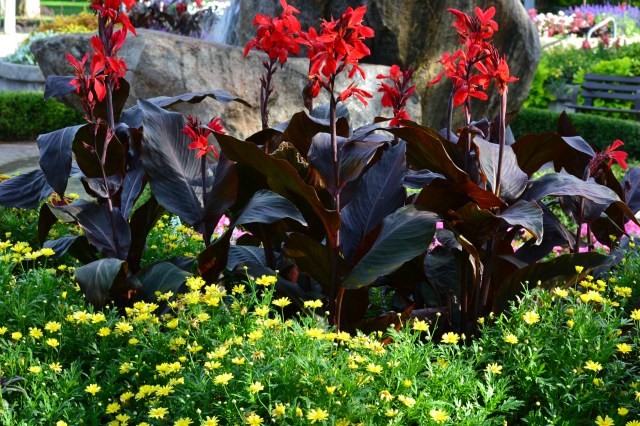
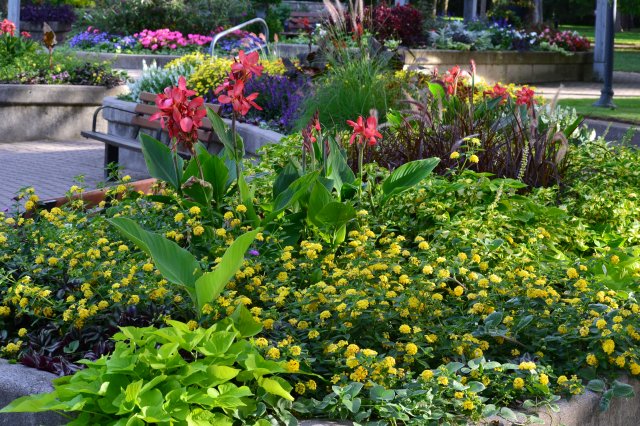
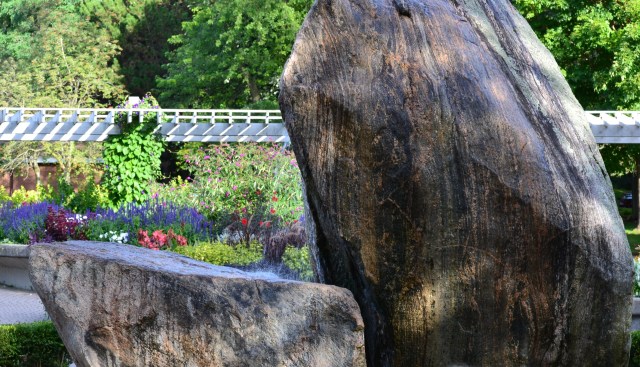
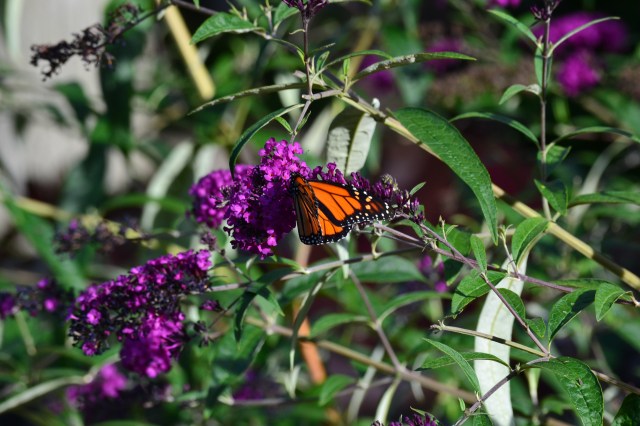
The reason for this evolution is that I have worked out the questions about my Azorean-Canadian identity to my satisfaction, as I have already written about in No Longer in Translation. I no longer ponder on differences, nor feel myself torn between two cultures. Flowers in my garden and in the garden close to where I live, Rosetta McClain, seemed to interest me more than going over and over again the themes of belonging and identity.
I now feel that I belong: Not in some mythical saudade-drenched way which consumed me for many decades of my life, but in a real grounded way. I suppose flowers and plants are a good metaphor for inner groundedness and belonging, hence, perhaps, my attraction to them.
Last September, in the good year of 2019, we travelled for a month. It was the trip of a lifetime, but Stephen and I naively assumed it would be the first of many more to come after we both retired. A year later, all I can do is reminisce about the two weeks we spent in England and Wales, ending with a Baltic cruise on Cunard’s Queen Elizabeth. I already shared the cruise on the blog over several posts last December, but I’ve provided the links to that journey at the end of this post for those readers who are new to my blog.
And so, my trip last year was not to the beautiful Azores or Portugal, but rather to other places in the world that I wanted to discover (Baltic), and a revisit of another place dear to my heart, the United Kingdom.
Identity for me is no longer fixed in one particular country or culture but rather in all the places that I am drawn to, never forgetting, of course, that once upon a time, I was born on the island of São Miguel, Azores.
This post is a photo diary of the trip we made to England and Wales.
September 4-8
We stayed for several days in the town of Woking, Surrey, where we enjoyed time reconnecting with old friends and making new friends with the swans along the beautiful Basingstoke canal.
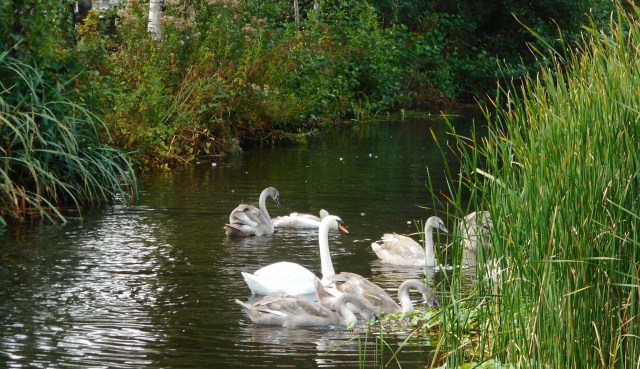
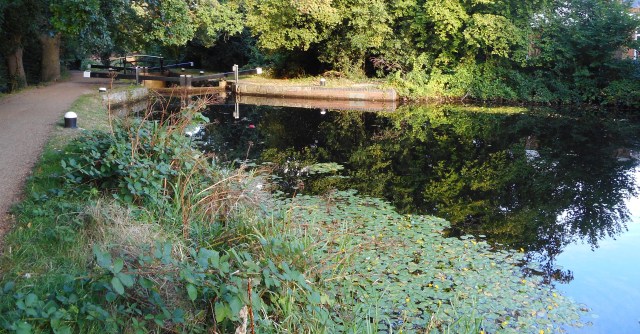
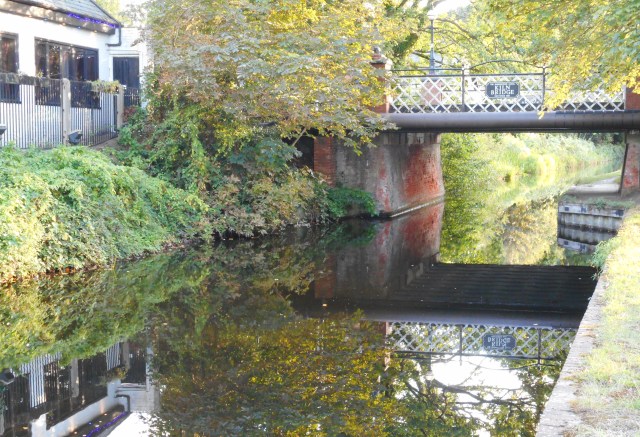
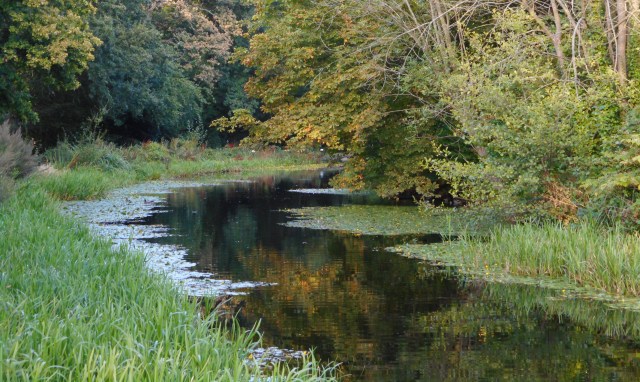
September 6
We took the train into London and had a walk along the South Bank of the Thames in the enjoyment of a late afternoon without a care in the world.
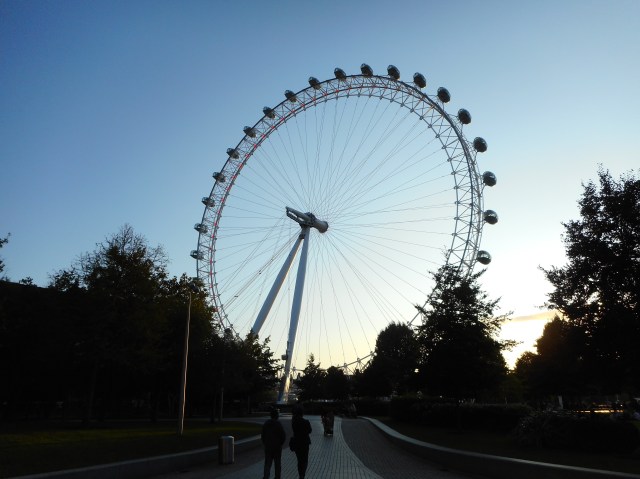
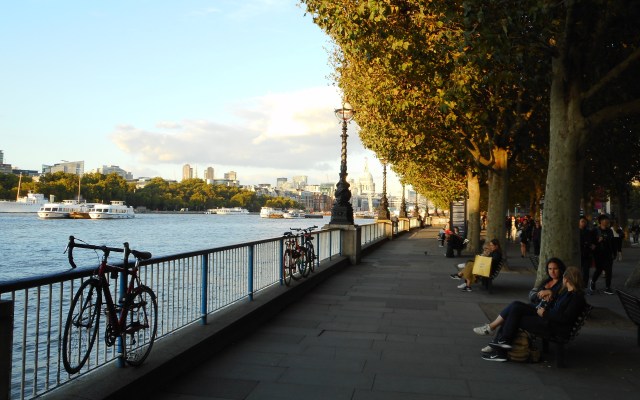
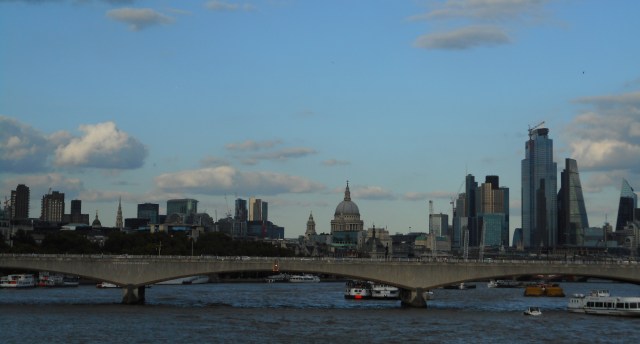
September 7
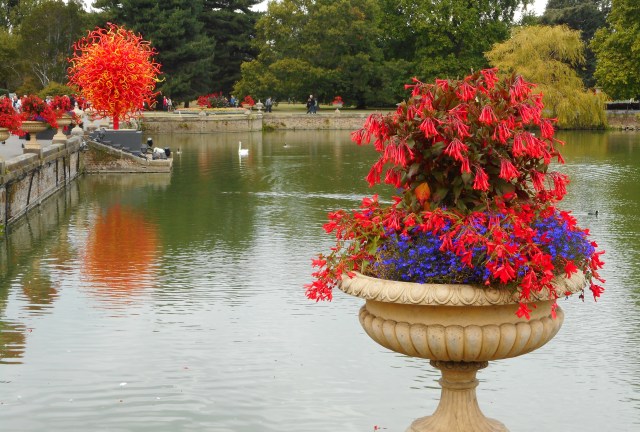
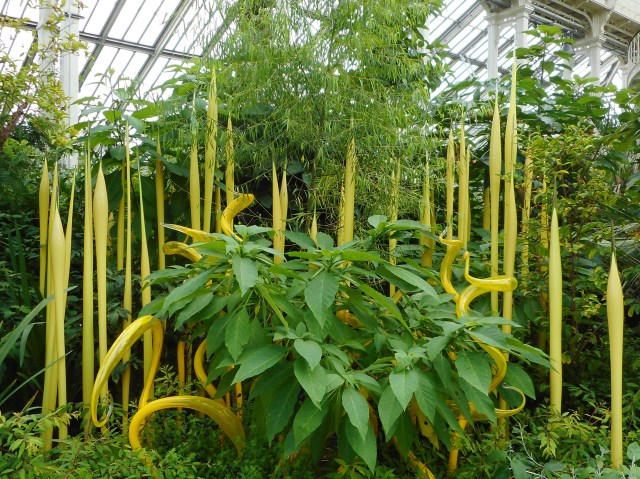
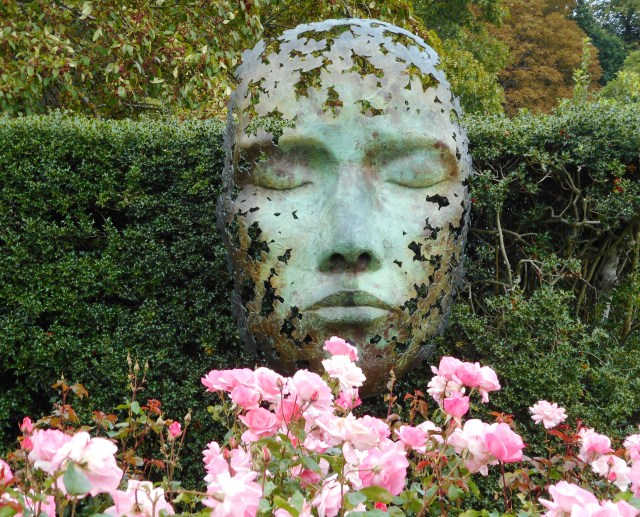
We visited Kew Gardens to see the exquisite Chihuly glass sculptures exhibit. But what made the visit so magical was seeing it with my longstanding friend of over 35 years.
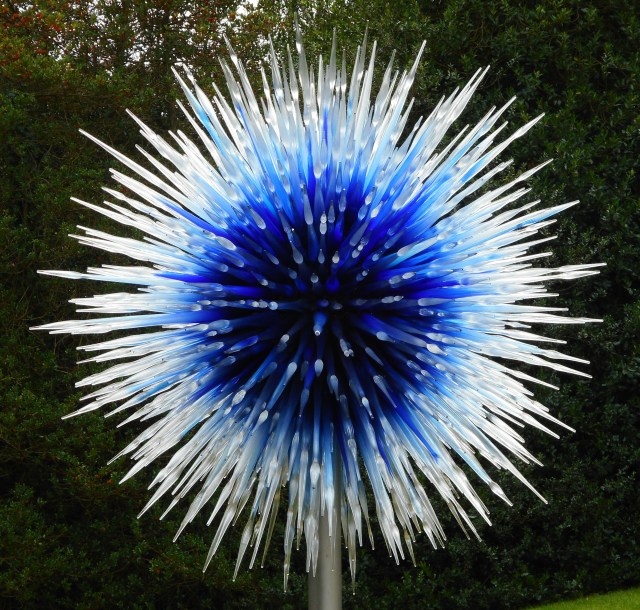
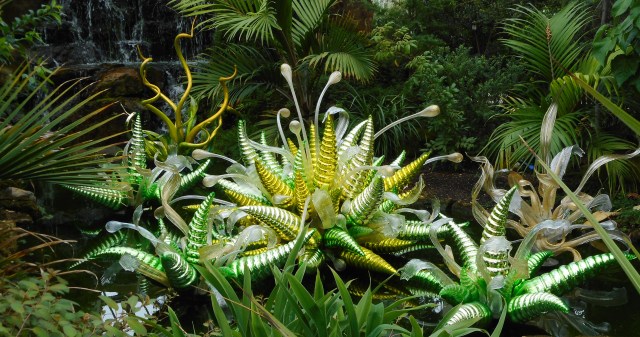
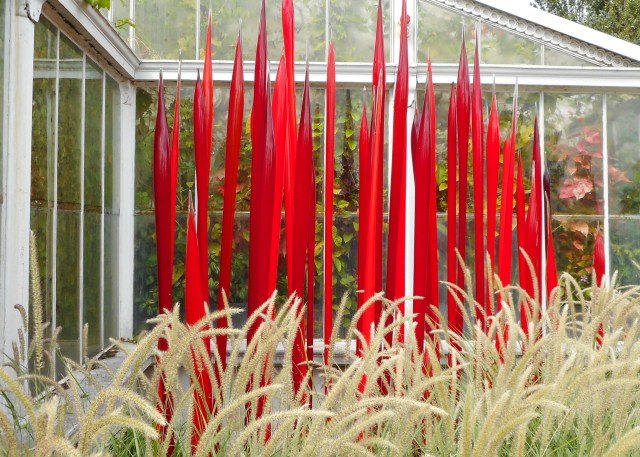
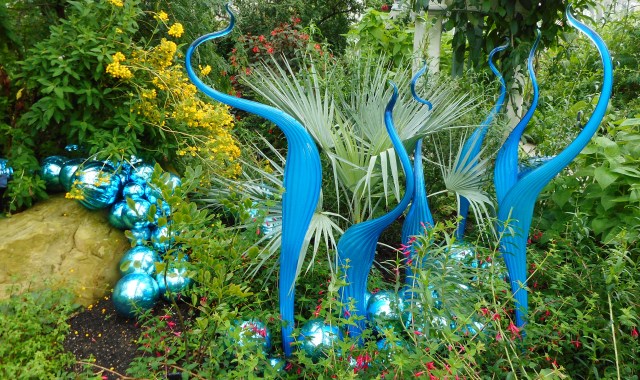
Chihuly’s Glass Water Lilies trying to outdo the real ones.
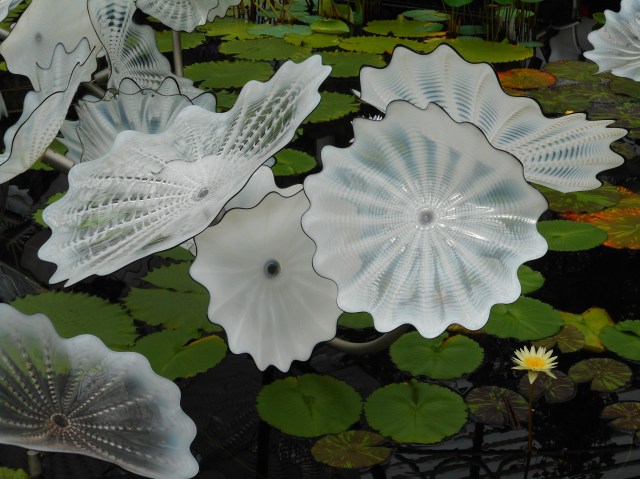
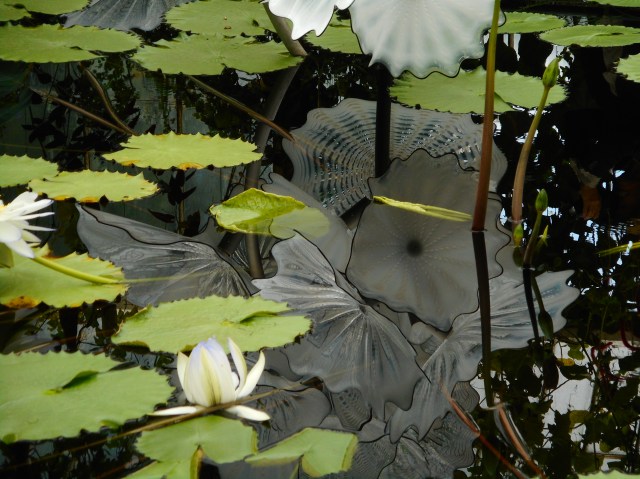
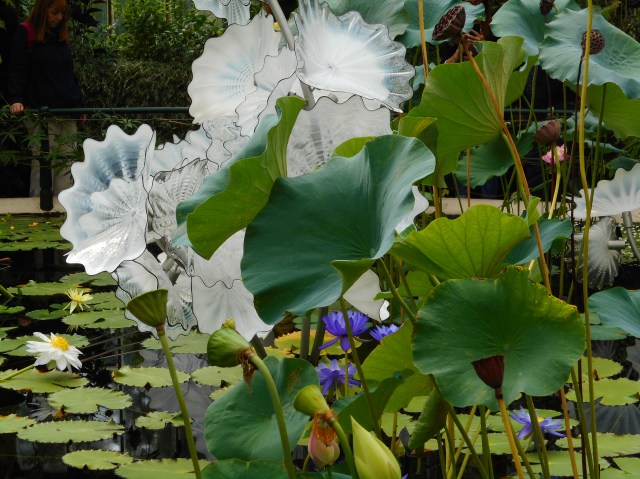
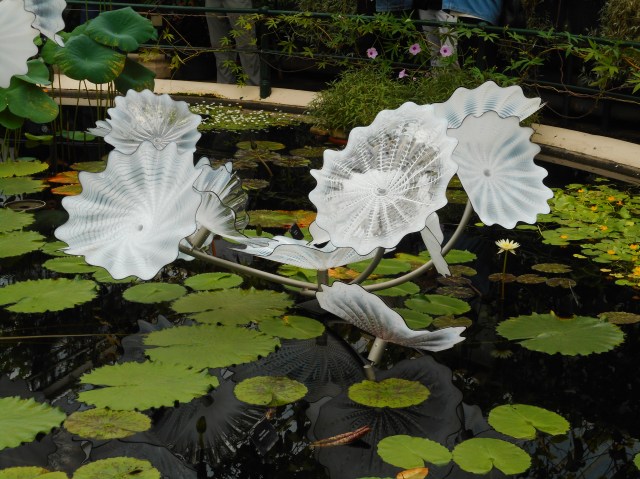
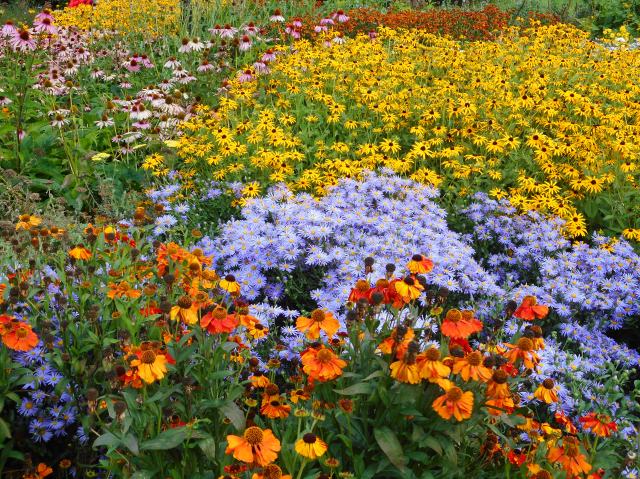
Such a great blend of Art and Nature.
September 9
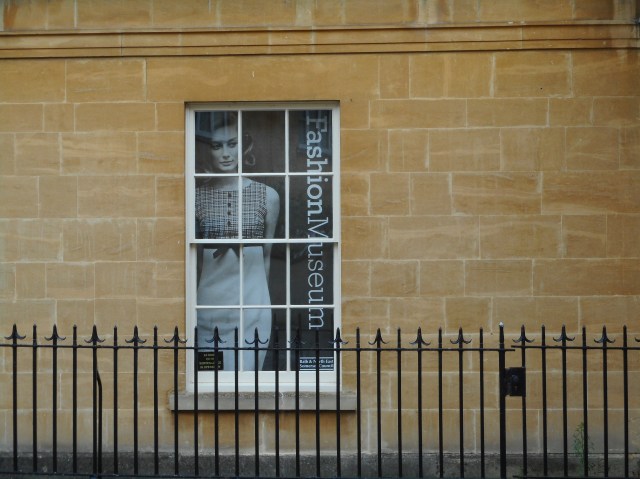
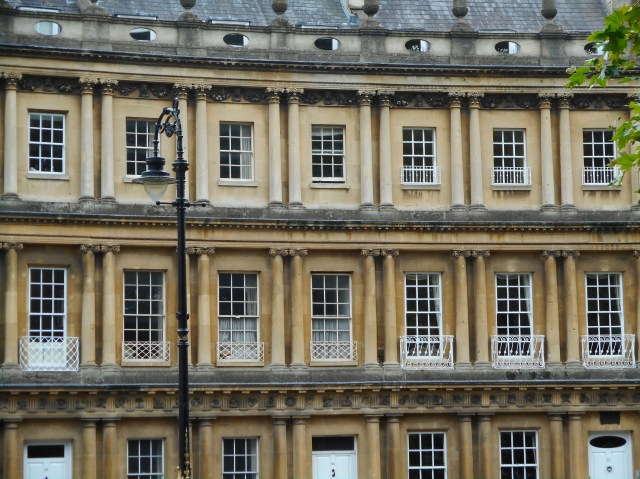
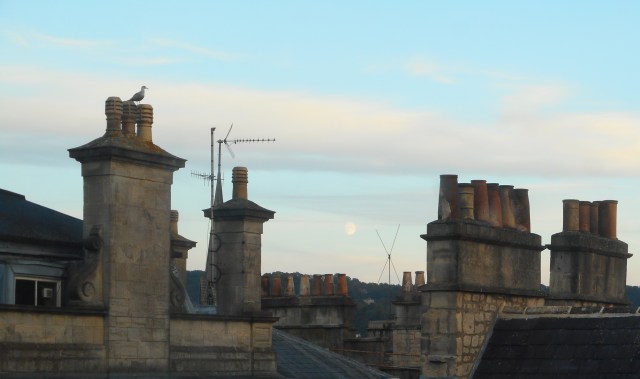
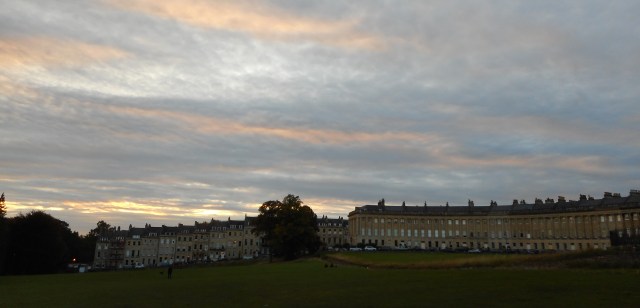
We rented a car for the rest of our journey. I was impressed by my partner’s skill in driving on the “other” side of the road. Our first stop was the city of Bath where we enjoyed walking its ancient streets and visiting the Roman Baths.
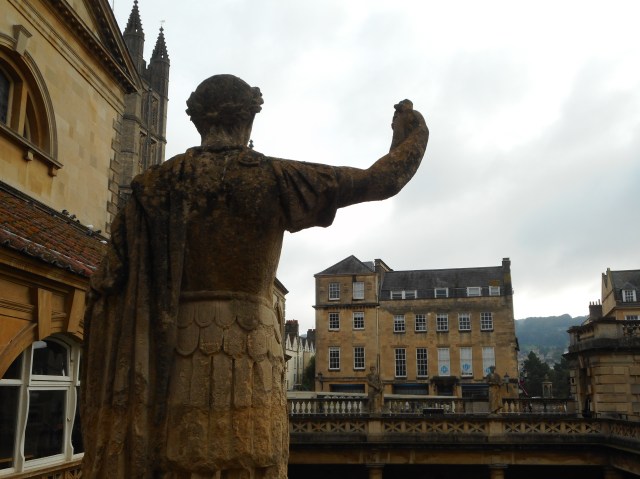
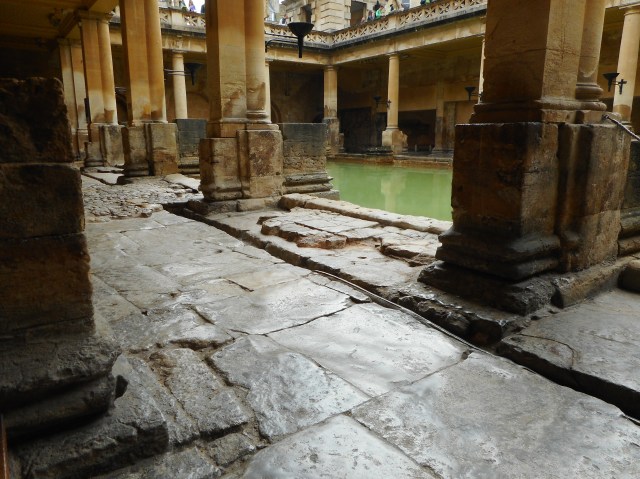
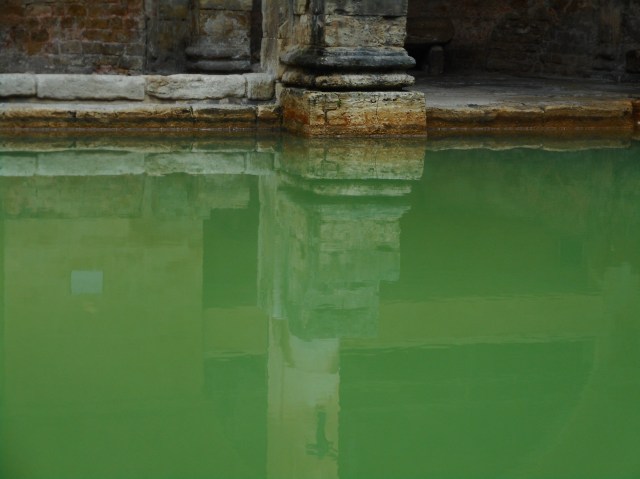
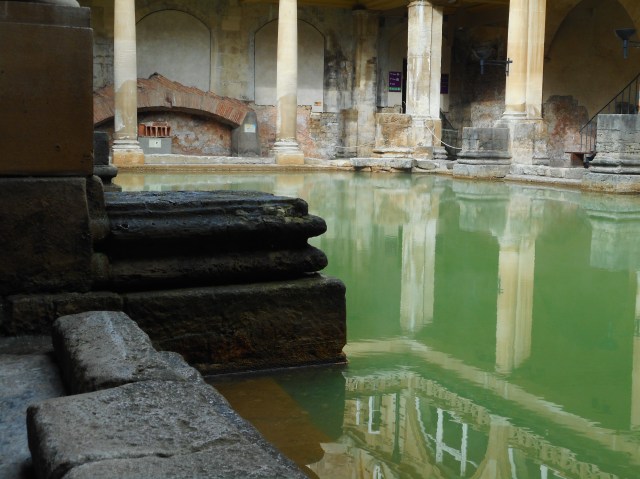
Bath stone architecture gives the city a warm honey-colour look.
September 11
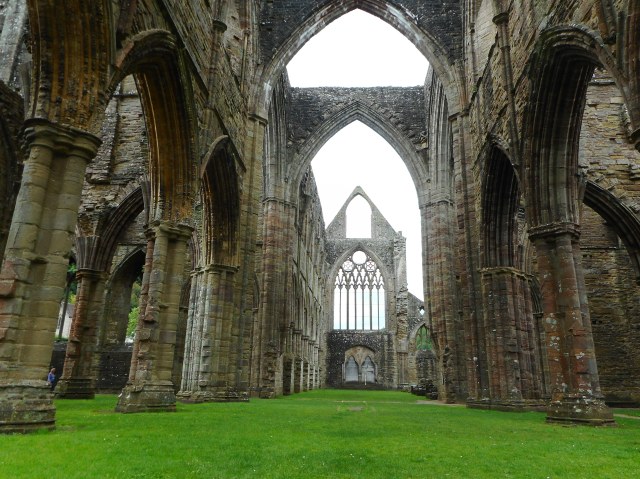
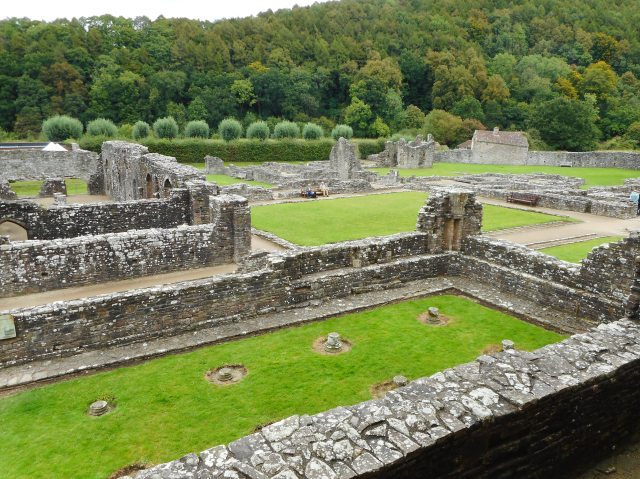
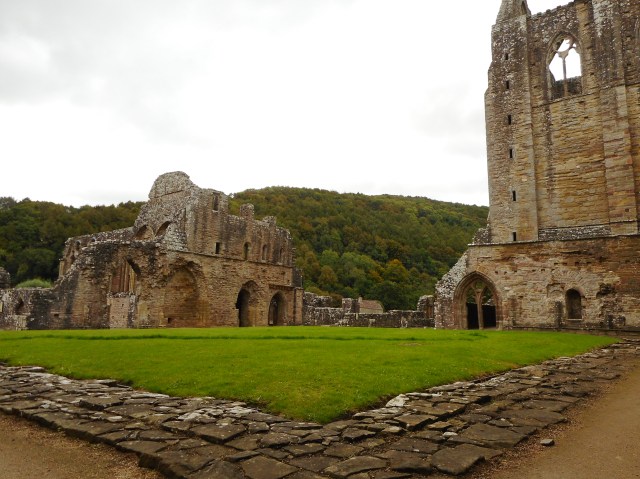
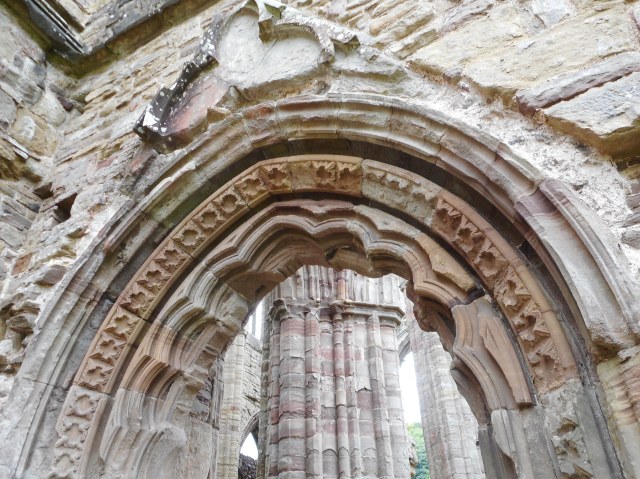
We had a Pret a Manger picnic lunch by the ruins of Tintern Abbey in Wales. It’s a lunch we will never forget.
September 12
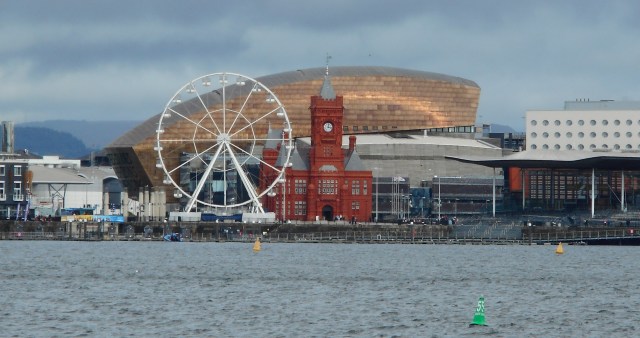
We loved staying several days in the vibrant and beautiful city of Cardiff in Wales.
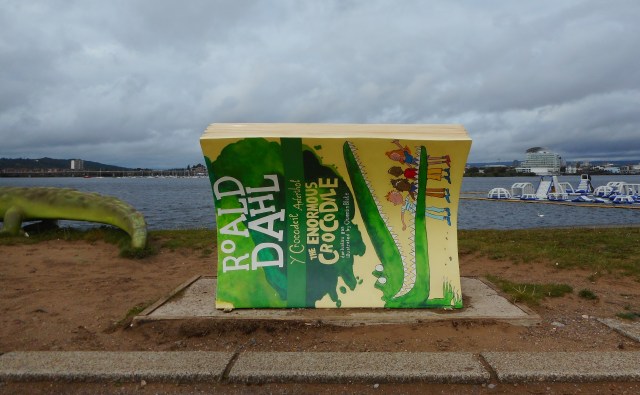
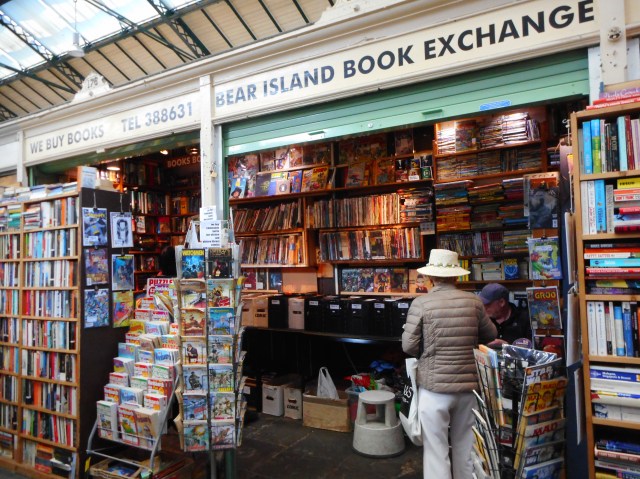
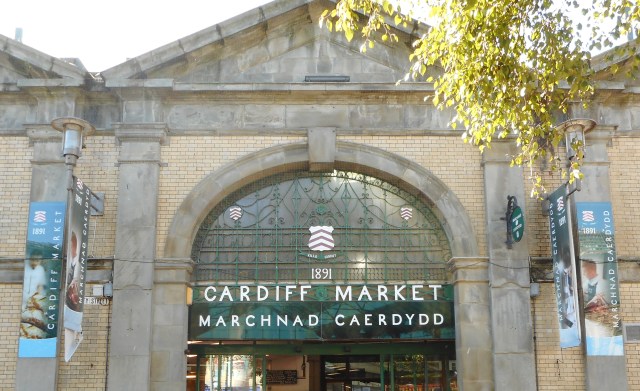
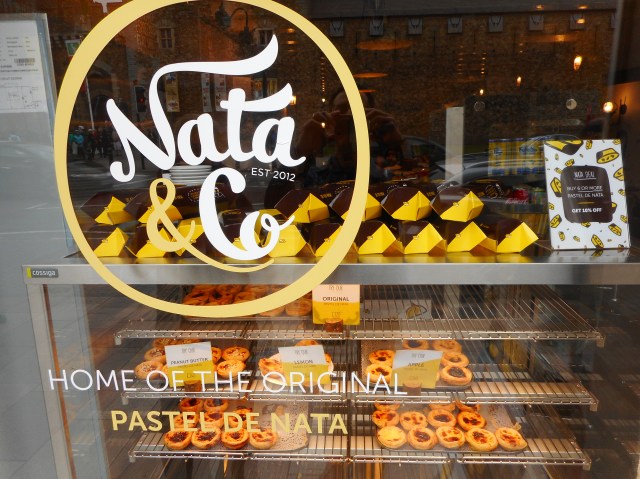
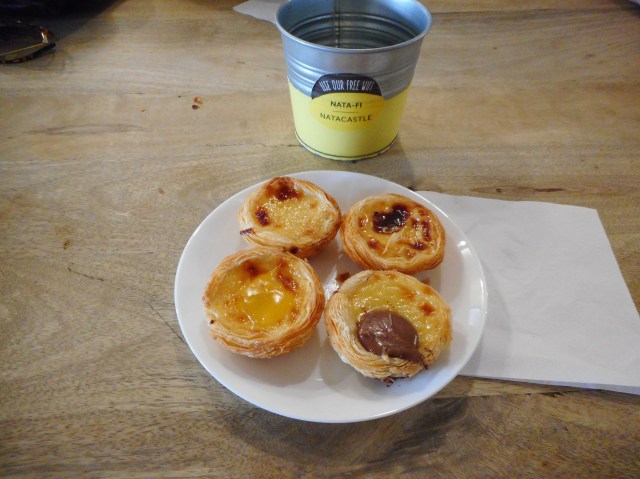
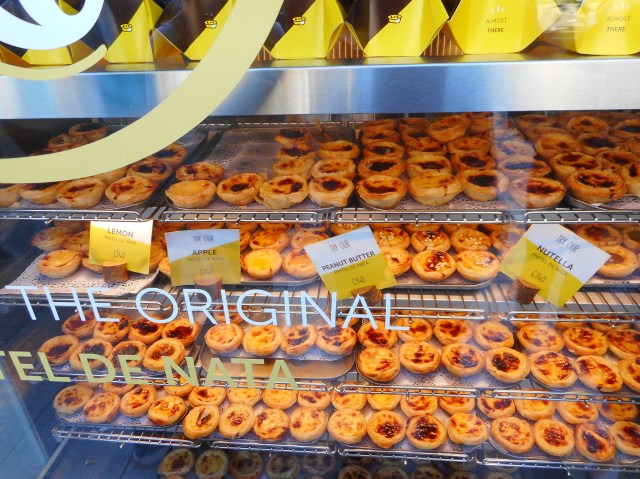
Pasteis de Nata in Cardiff? I was excited to discover the Nata Co. where we ate 4 different types of the ubiquitous Portuguese treat. My favourite was the Nutella Pastel de Nata!
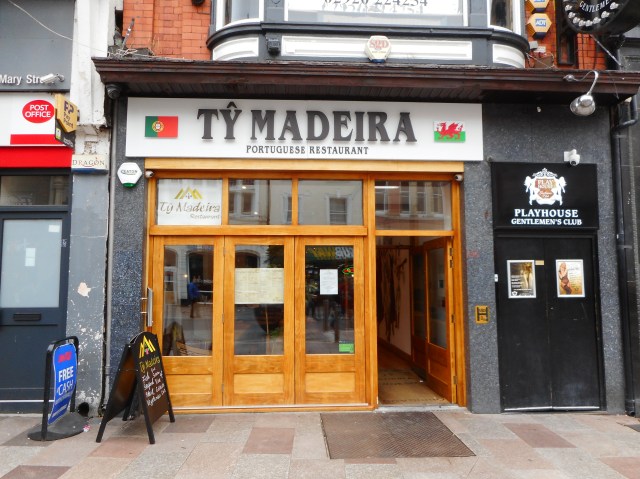
We ate twice at Tŷ Madeira, one of the best Portuguese restaurants in the world.
September 13
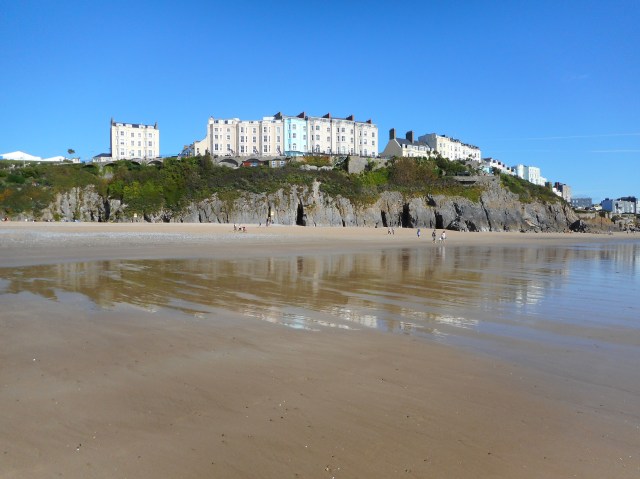
We enjoyed a late-morning walk along the beautiful beach in Tenby, Wales, while the town set up for the IRONMAN race that weekend.
Afterwards, we had a long ride along beautiful winding roads, and arrived in the late afternoon at St. David’s Cathedral, Wales, but totally worth it.
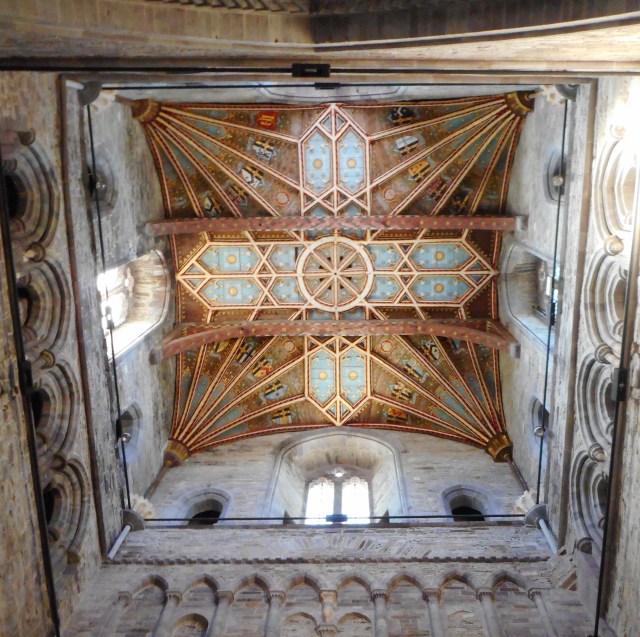
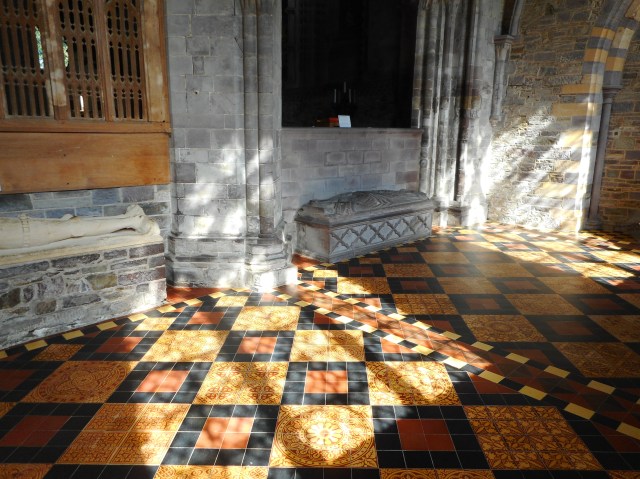
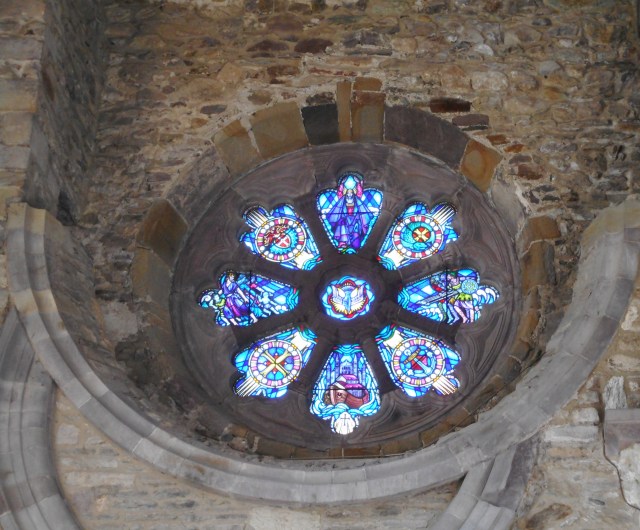
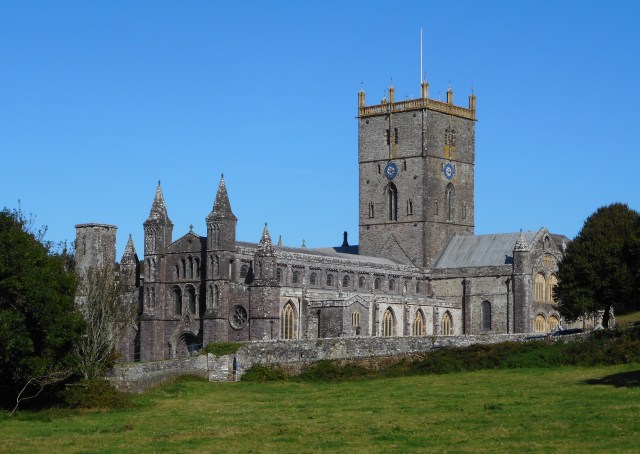
September 15
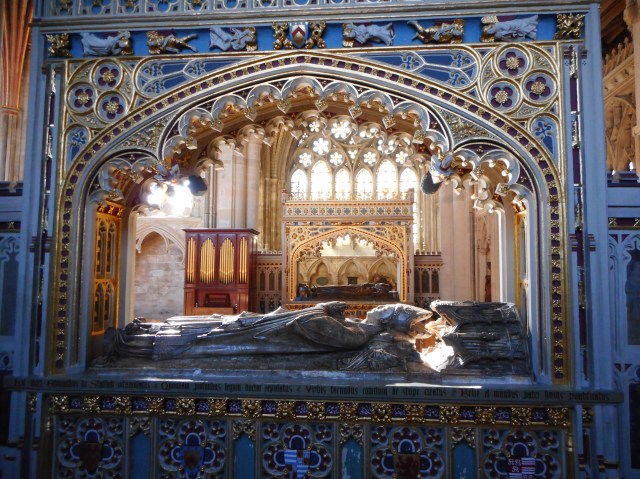
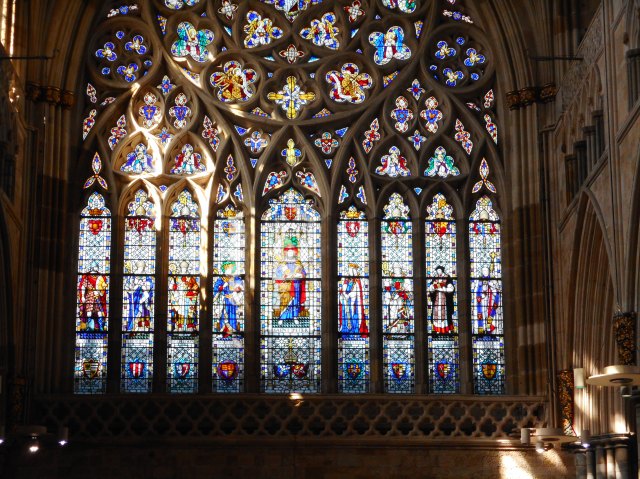
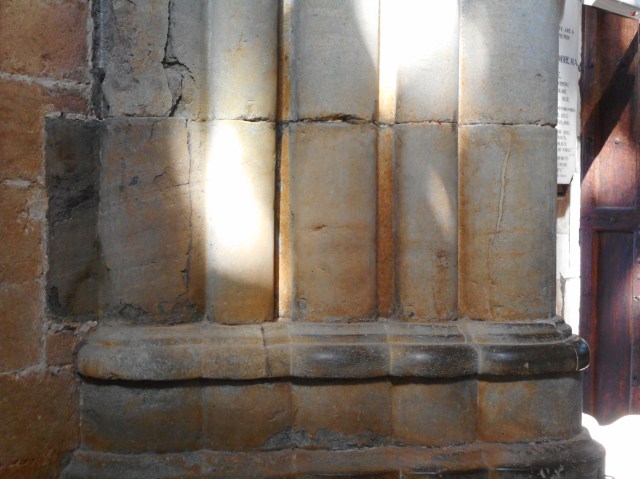
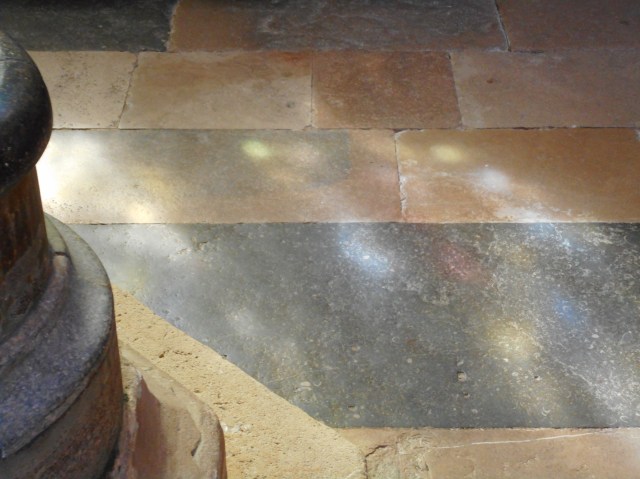
A detour for a short visit to the beautiful medieval Exeter Cathedral, in Devon, South West England, on the way to our next stop. It was all about the light at noon on the ancient stones.
September 16
Torquay, in Devon, is a busy seaside town in September. We enjoyed staying in the old Grand Hotel with perfect views of the sea.
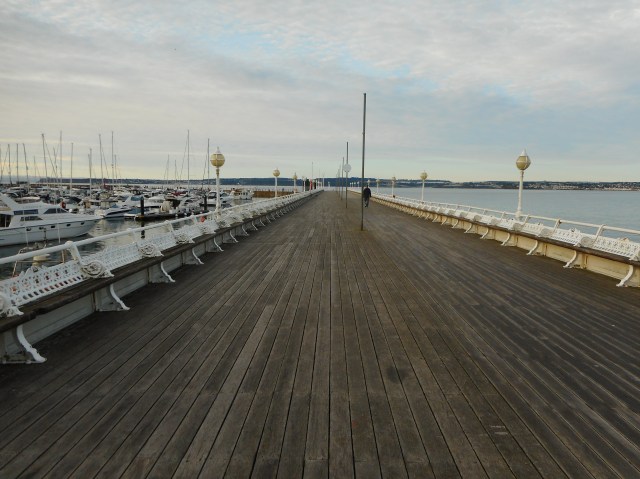
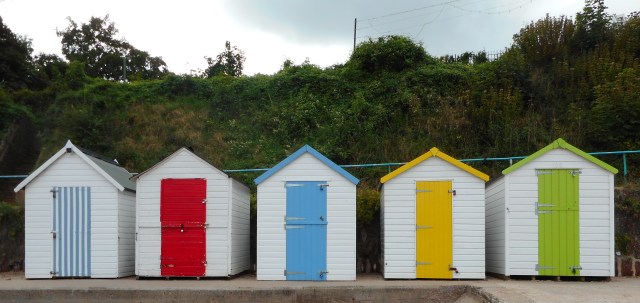
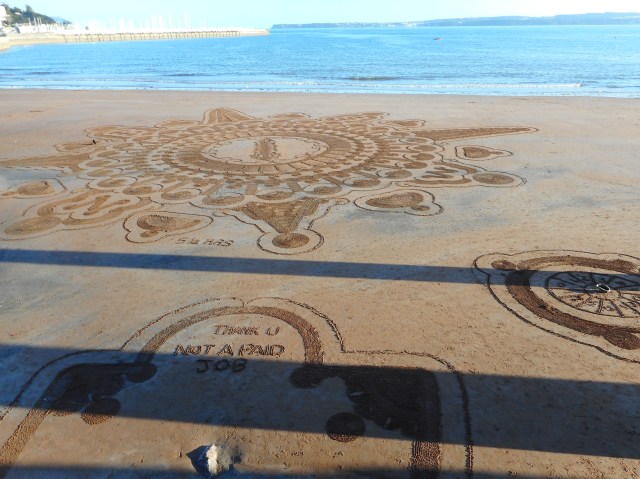
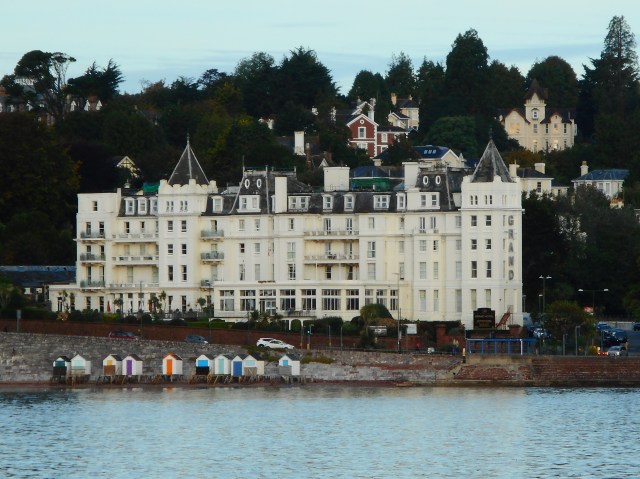
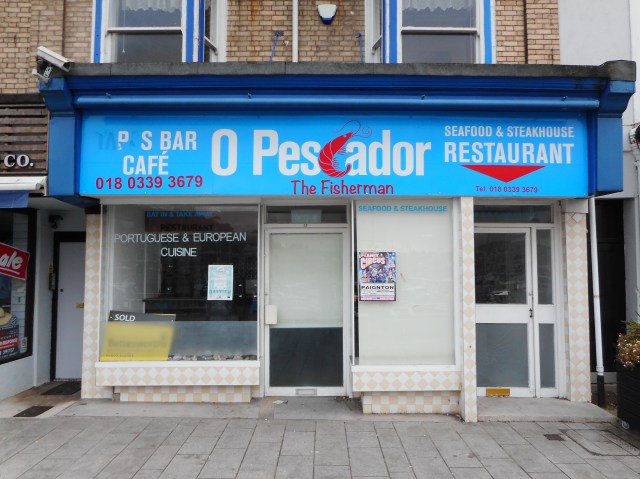
O Pescador. Pity that this Portuguese restaurant was long gone by the time we visited Torquay.
September 17
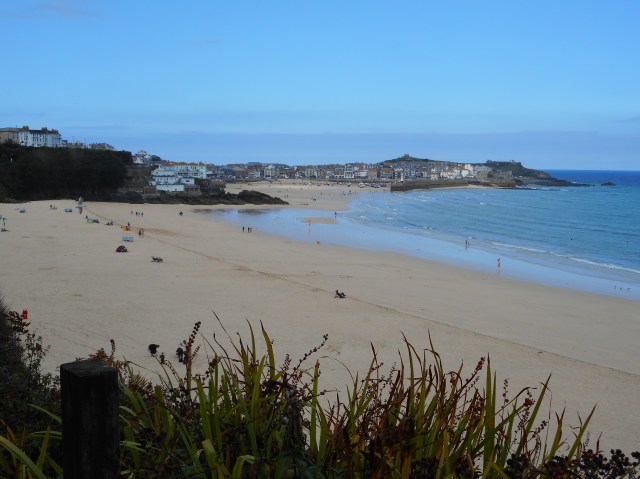
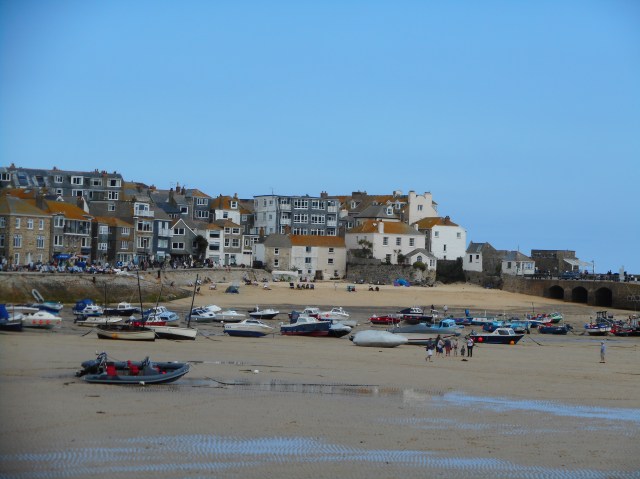
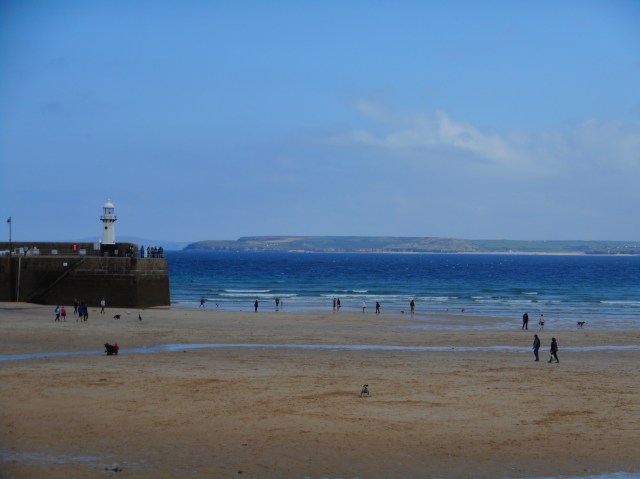
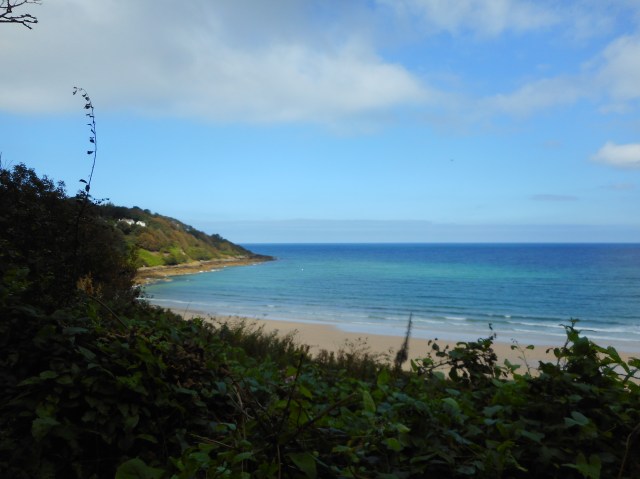
St. Ives, in Cornwall, where Virginia Woolf spent summer holidays. I expected a quiet town, but a September Festival had brought huge crowds. To get away, we took a short train ride to nearby less crowded Carbis Bay where we had lunch and a walk along the quiet beach.
September 18
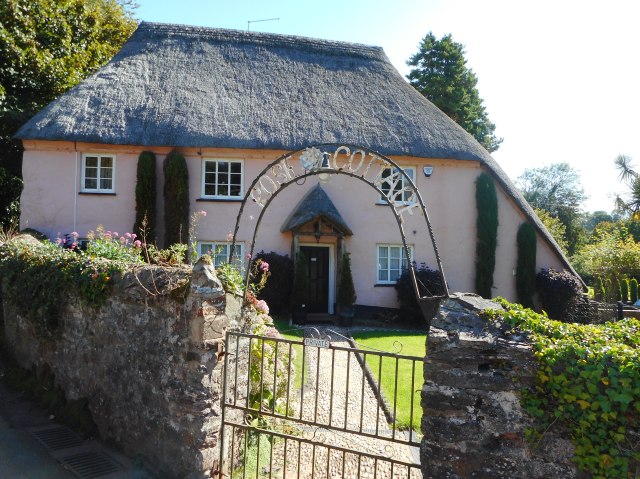
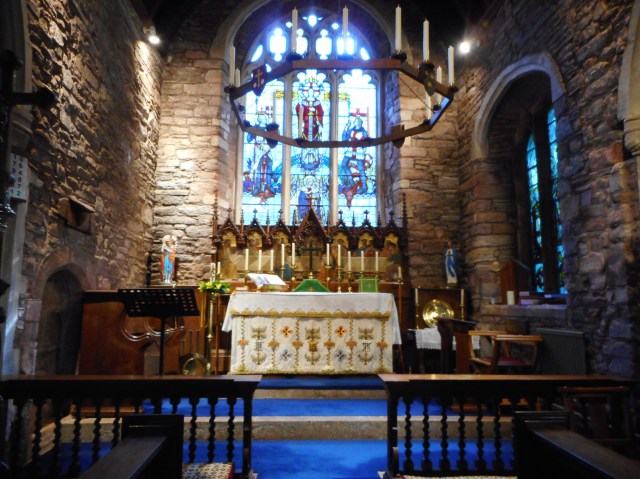
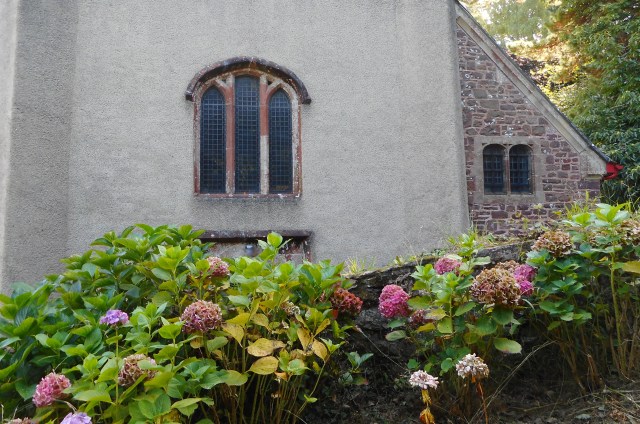
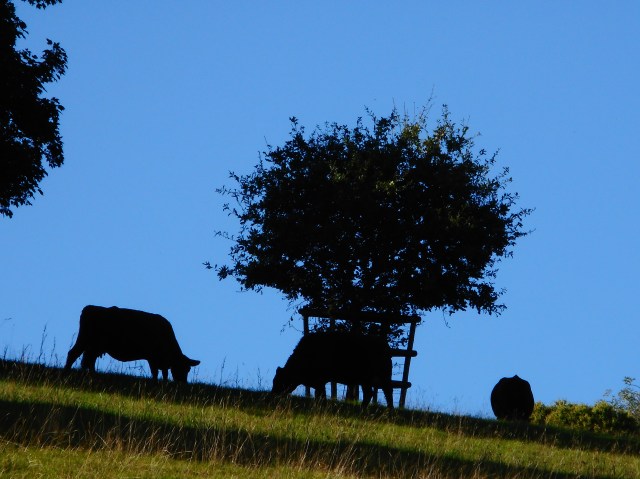
From Torquay we did a short morning walk to Cockington Village, where we enjoyed seeing the beautifully preserved thatched cottages, a lovely 12th century church and, my favourite, cows grazing on a hill.
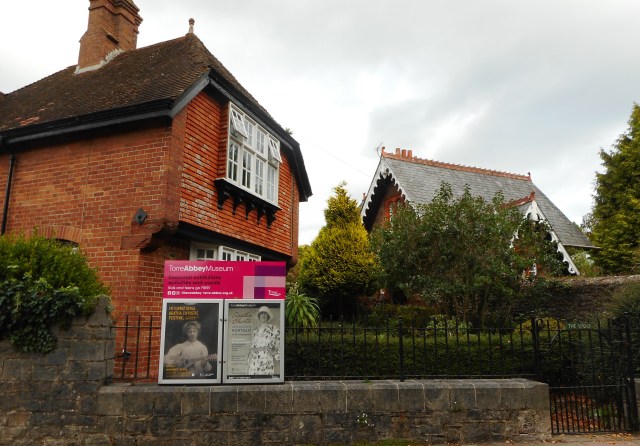
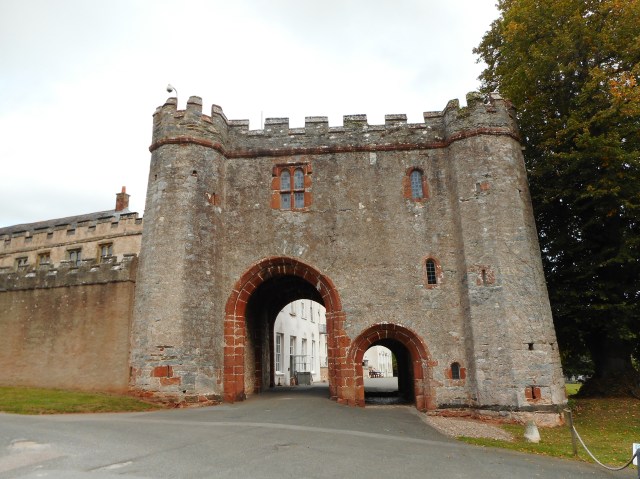
I spent the last afternoon on my own, at Torre Abbey Museum, to see an Agatha Christie exhibit. I have always been a fan of her mysteries. It was wonderful to be in her hometown, Torquay.
September 19
We arrived at our final destination, the port city of Southampton.
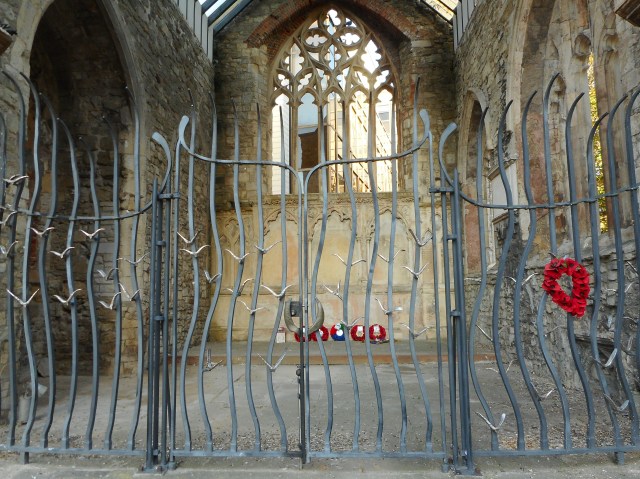
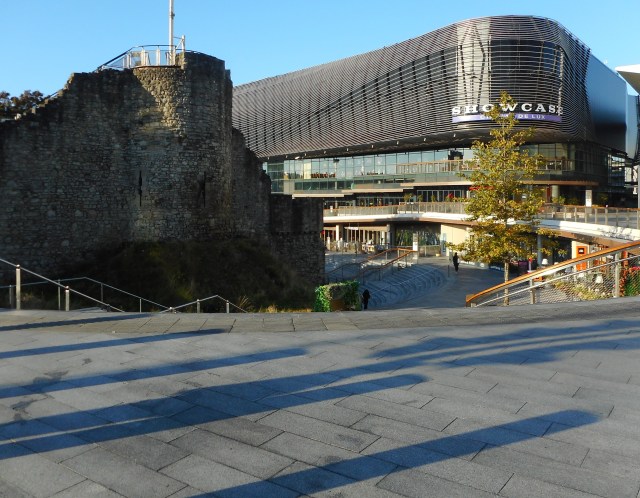
We were ready to say goodbye to England and eager to embark on a new journey: our unforgettable Baltic Highlights cruise on Cunard’s Queen Elizabeth from Sept 20 – October 4 to: Germany, Finland, Russia, Estonia, Latvia, Denmark, and Sweden.
October 5
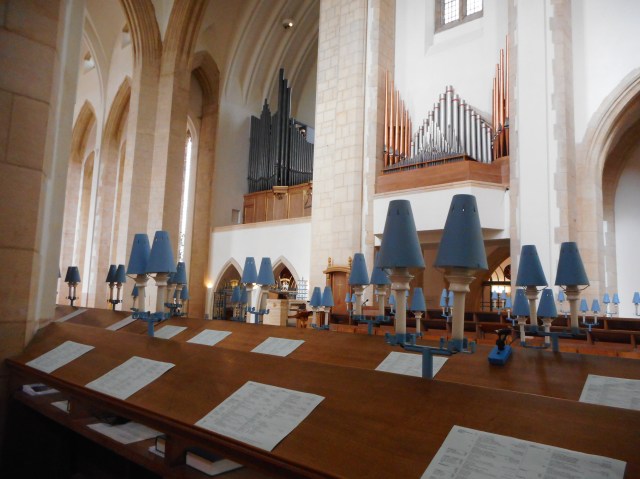
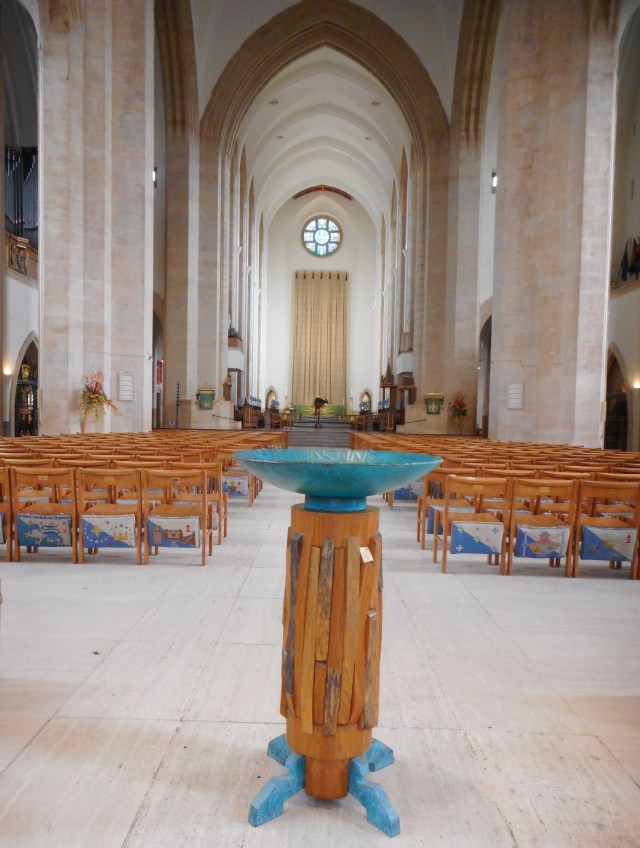
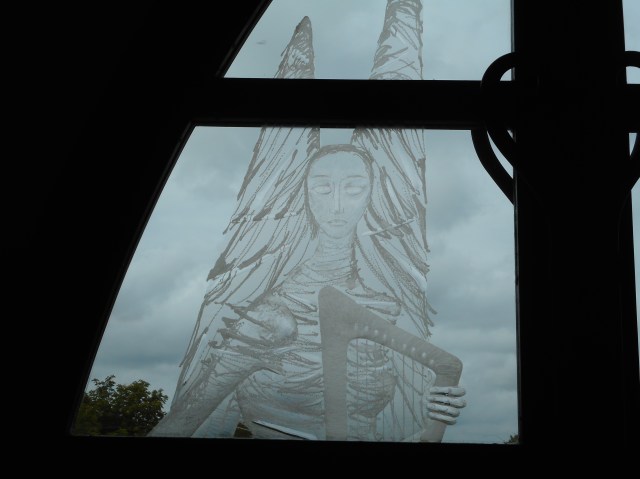
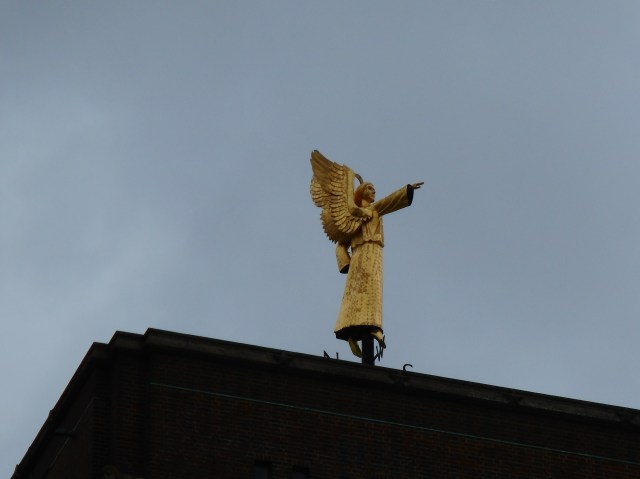
Bonus day. Our October 5th flight home was postponed to the following day, so we had an extra day in the UK. We took the train to see Guilford Cathedral.
I dedicate this post with gratitude to Stephen, my patient and kind partner of 25 years, who is my travelling companion wherever we go in life.





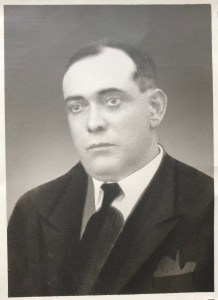 My grandfather: Manuel Pereira Duarte (30 de Outubro, 1898 – 10 de Julho, 1968)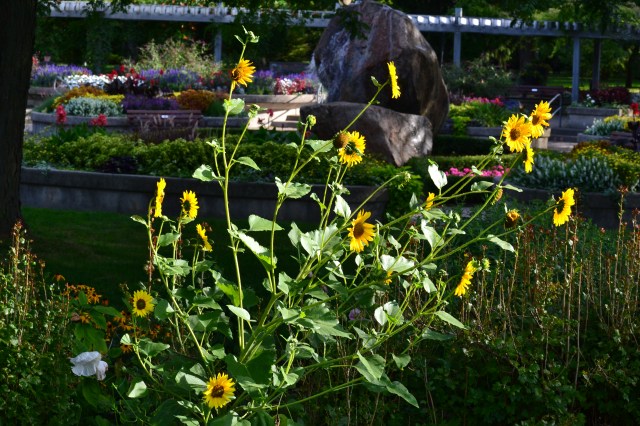
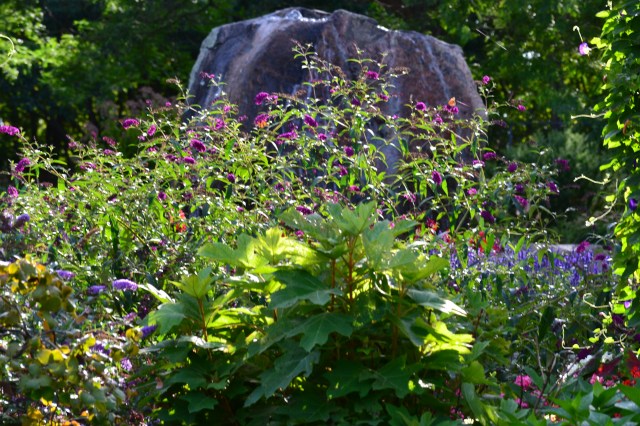
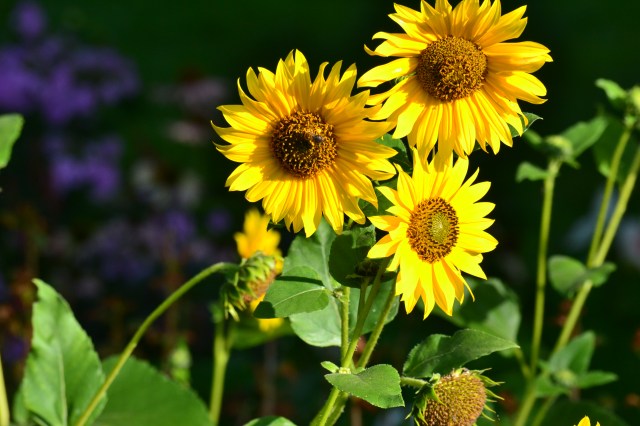
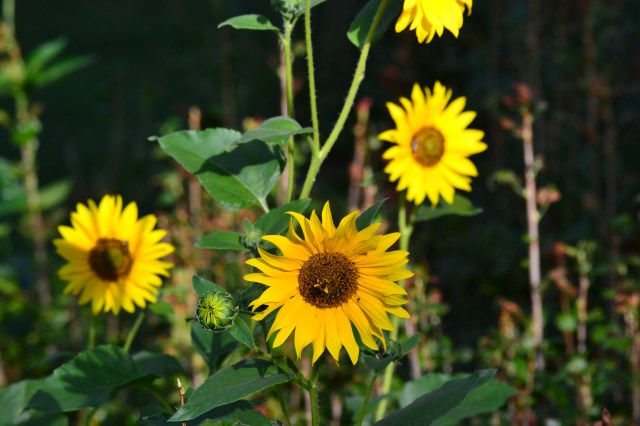
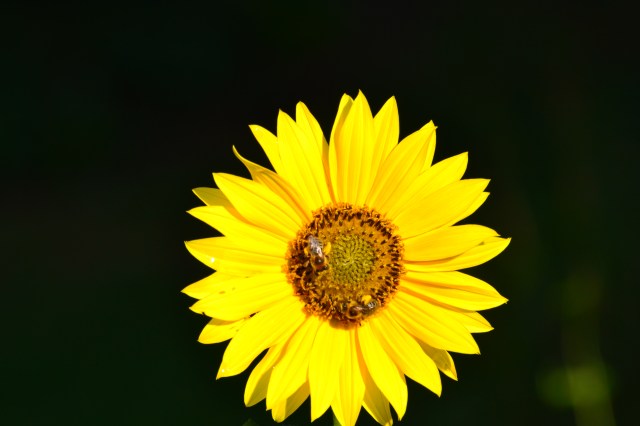
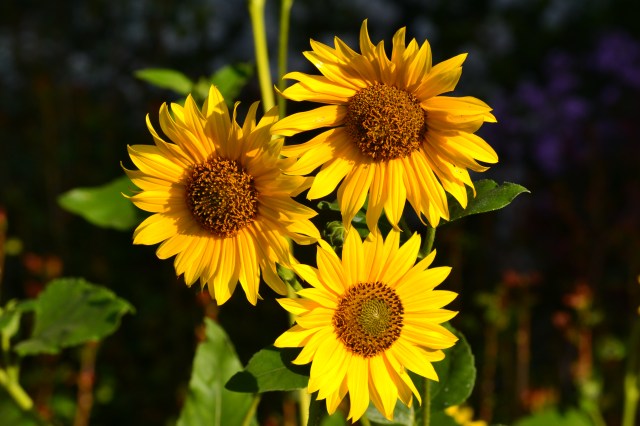
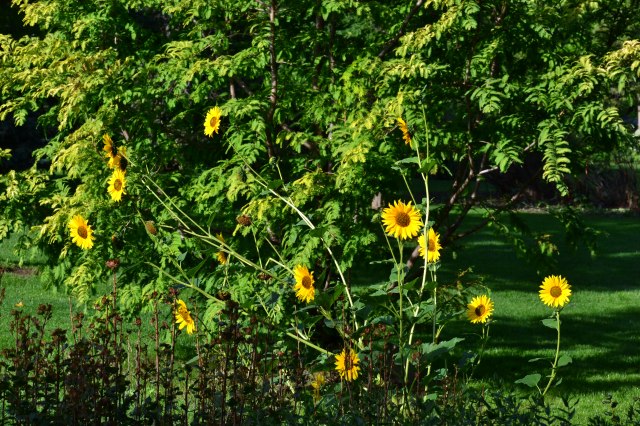
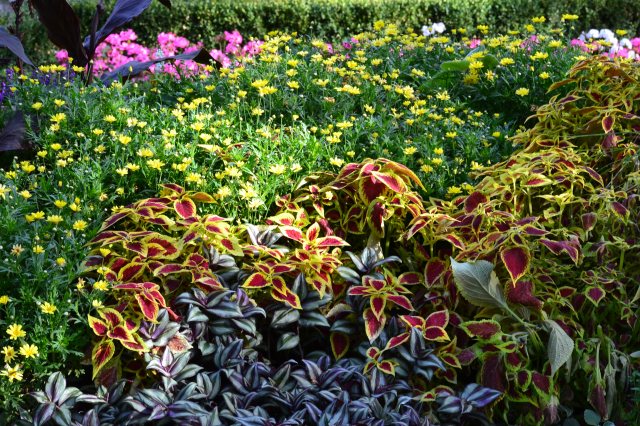
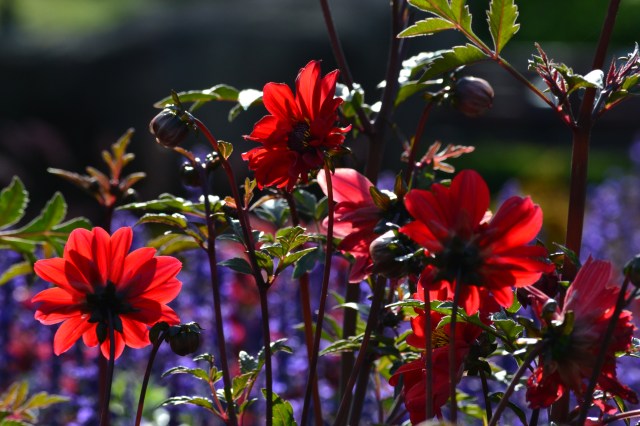
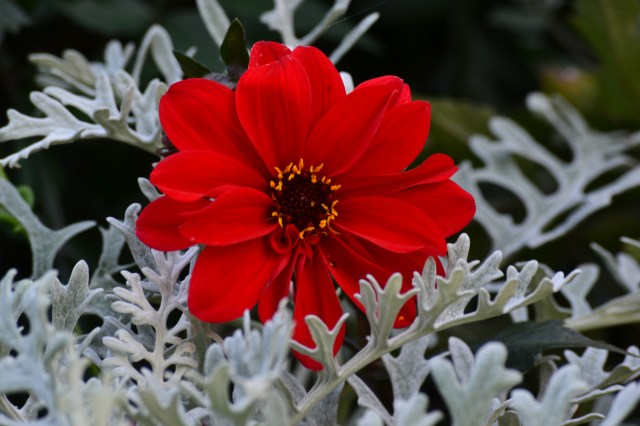
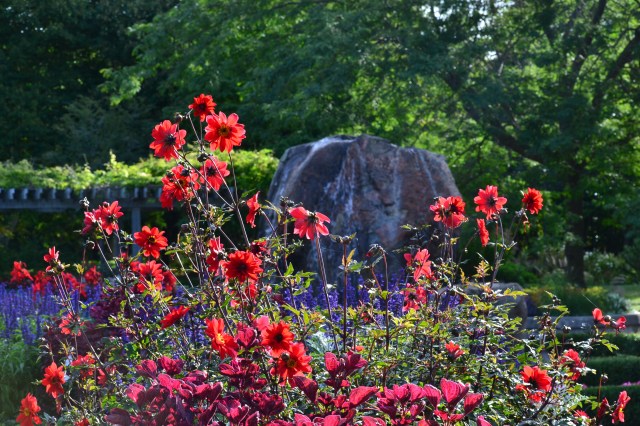
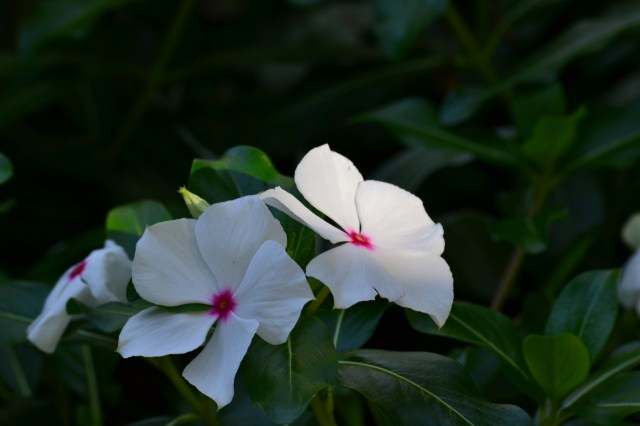
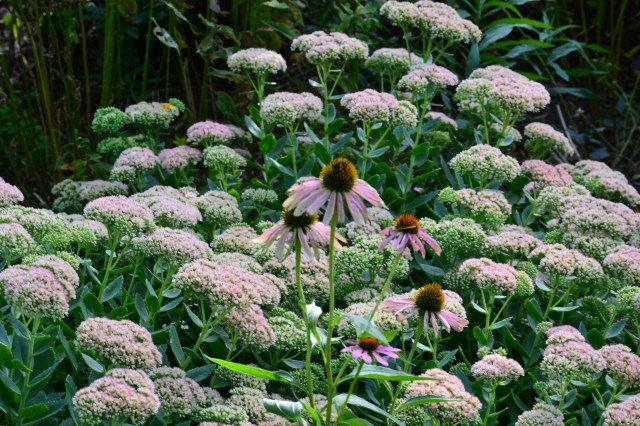
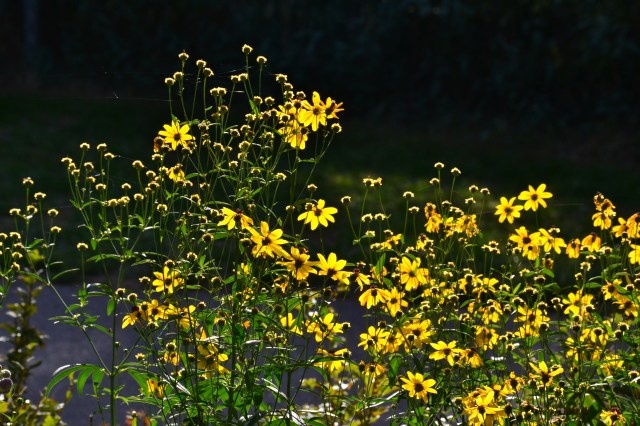
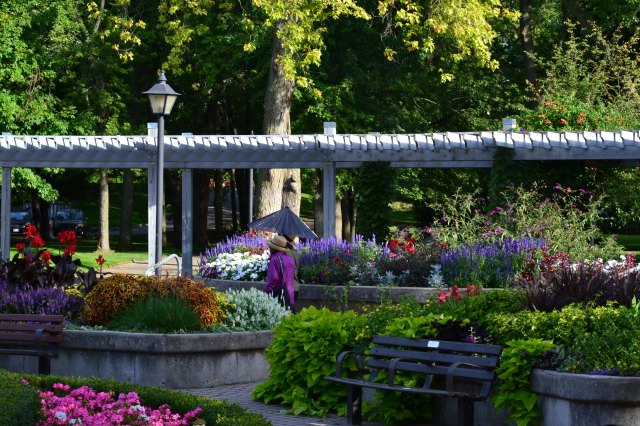
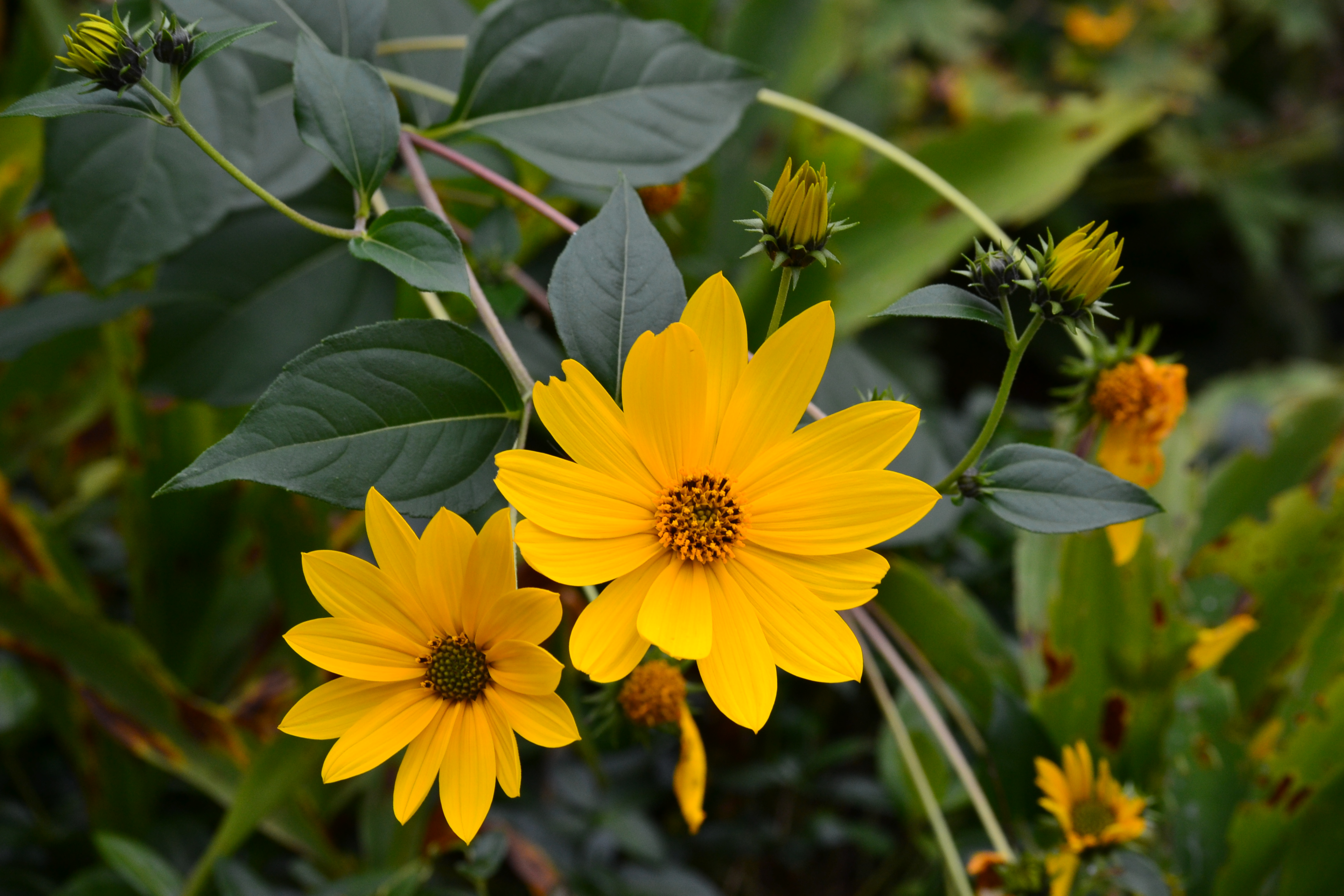
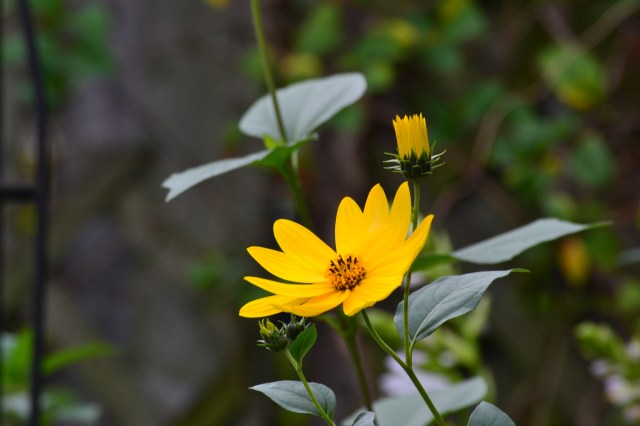
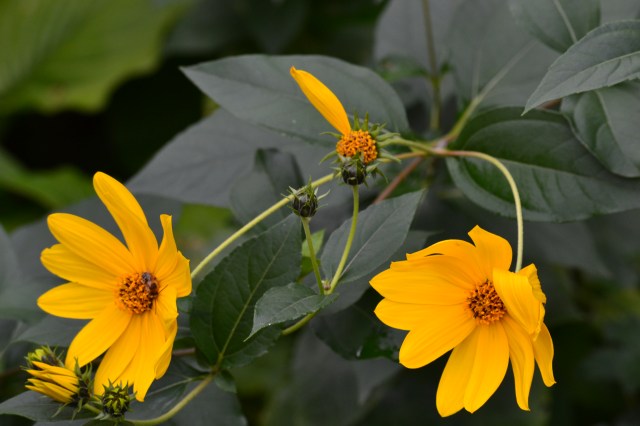
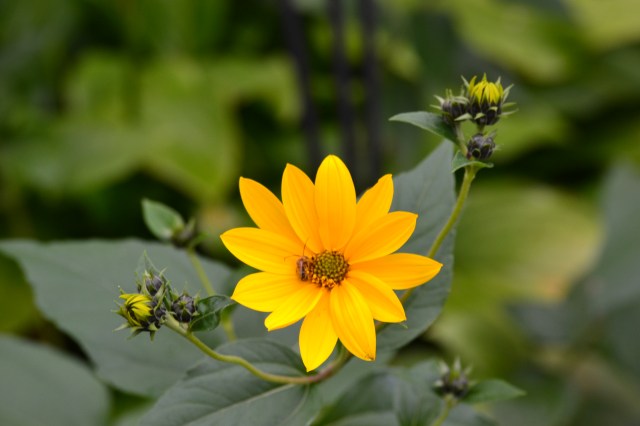
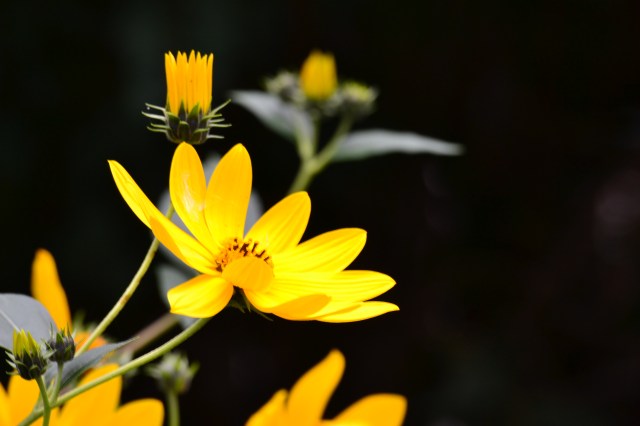
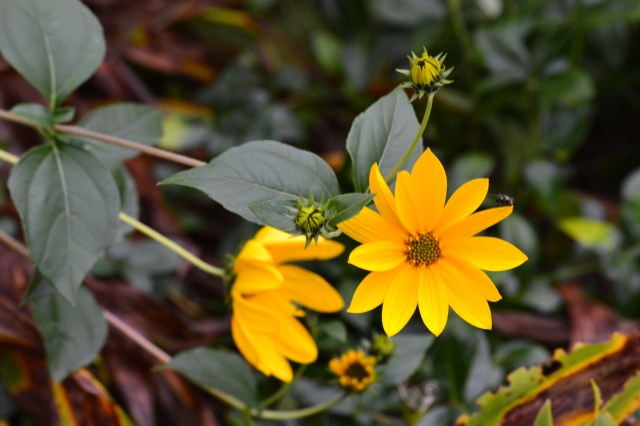
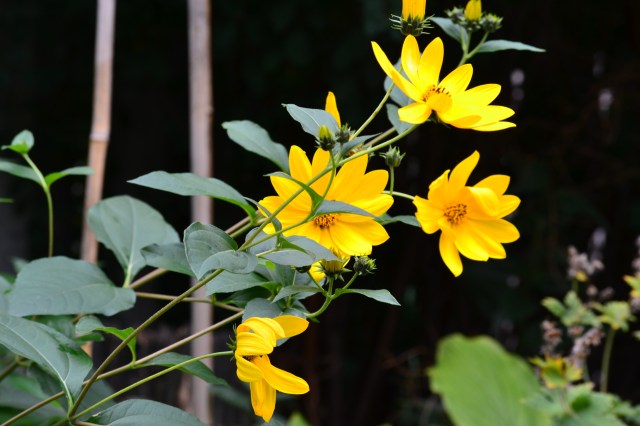
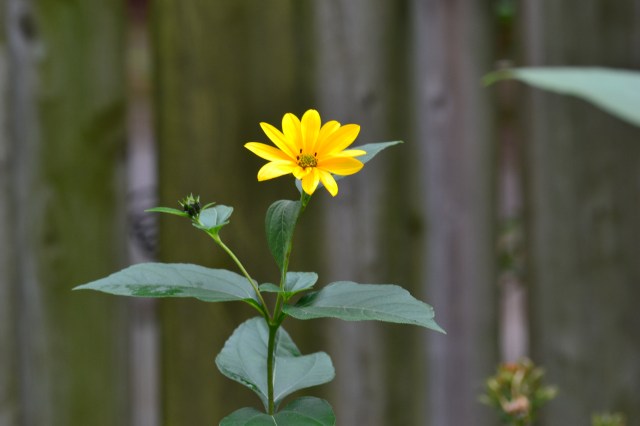
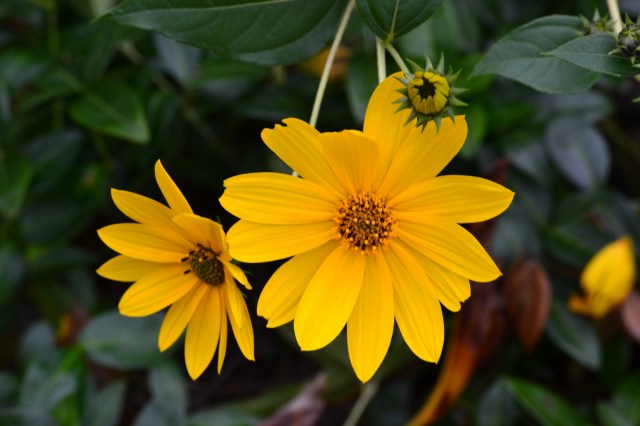
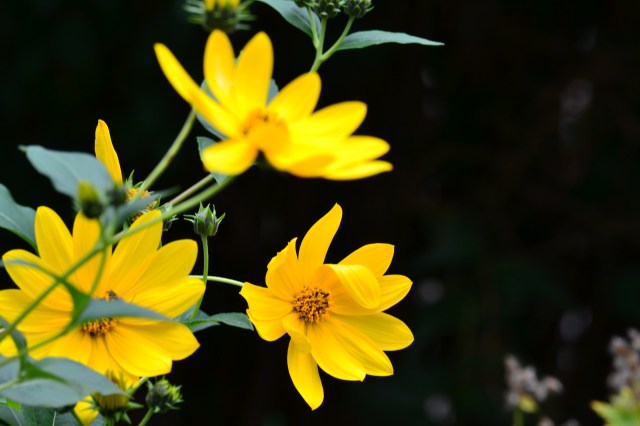
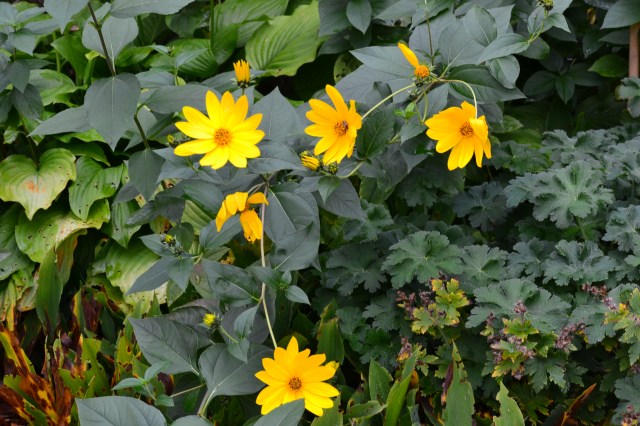
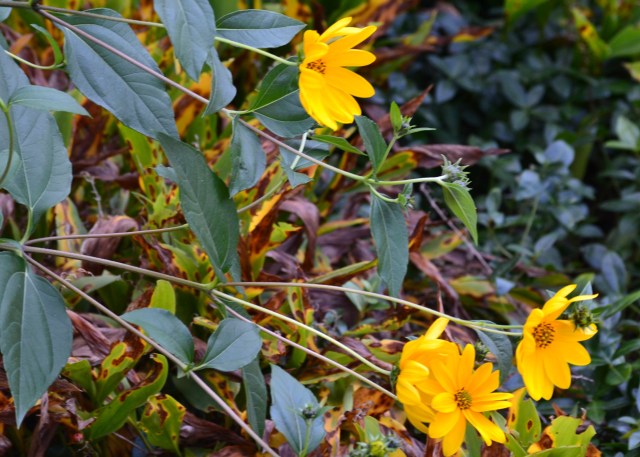
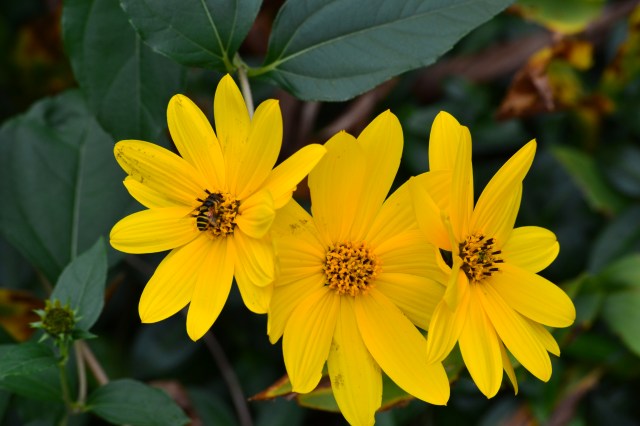
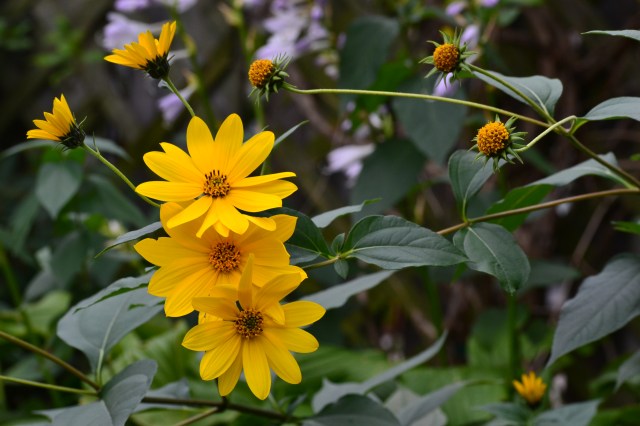
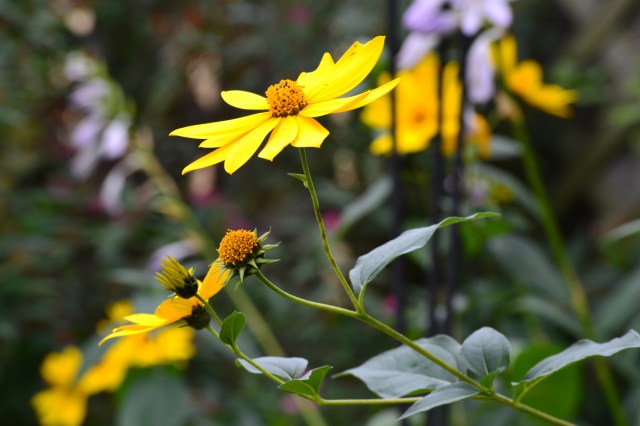
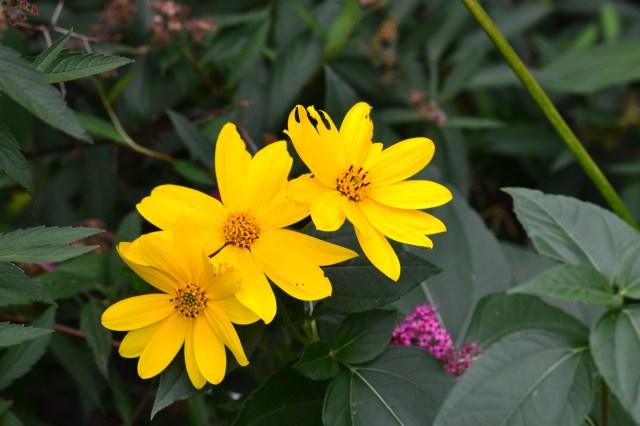
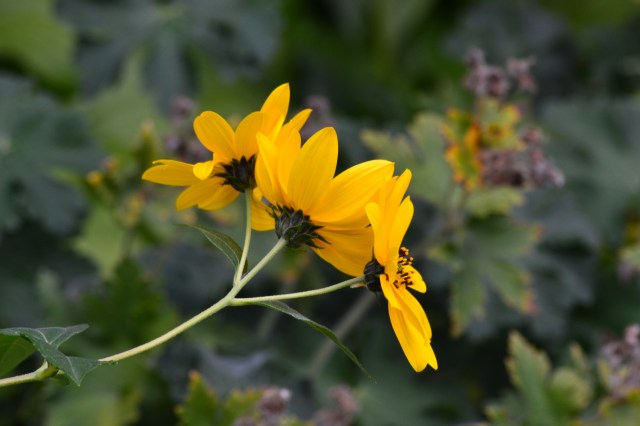
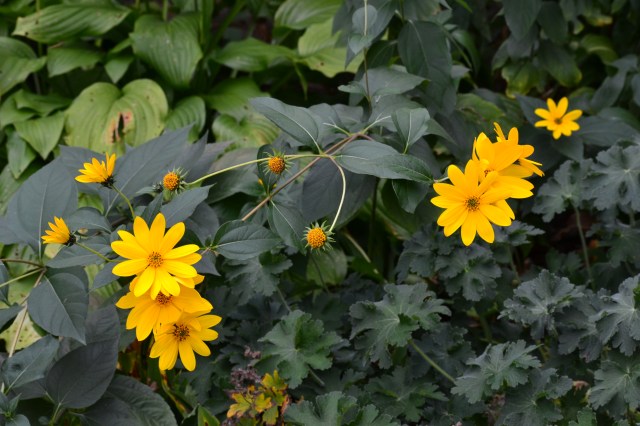
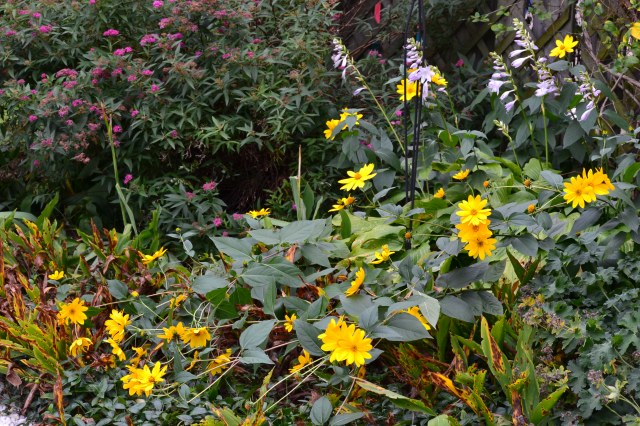
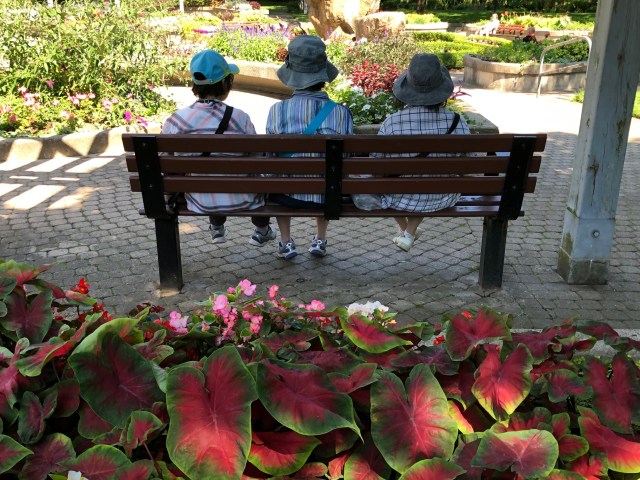
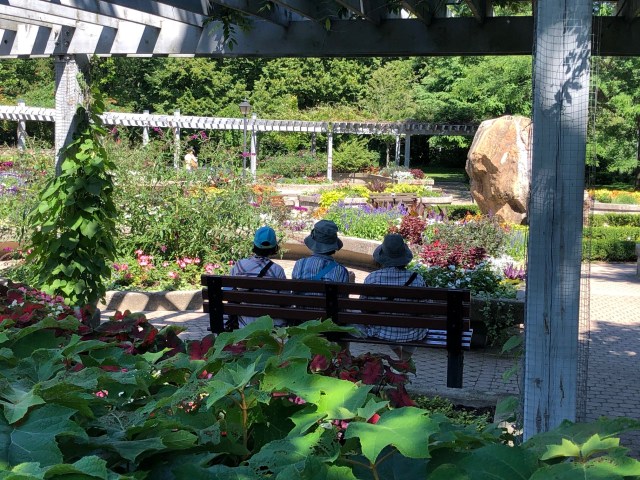 Friends watching flowers grow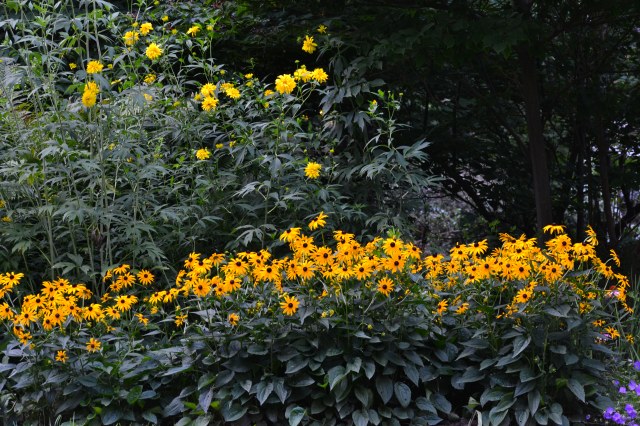
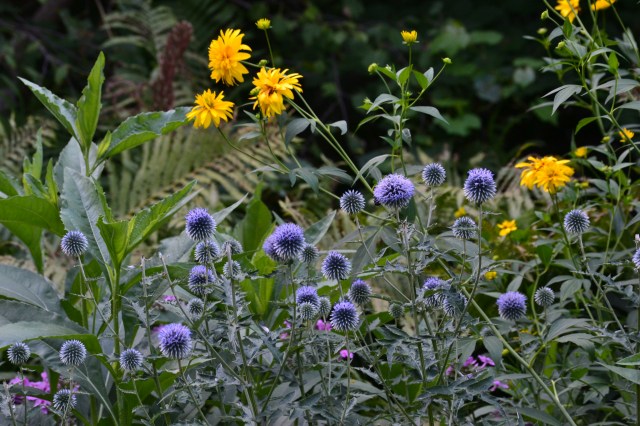
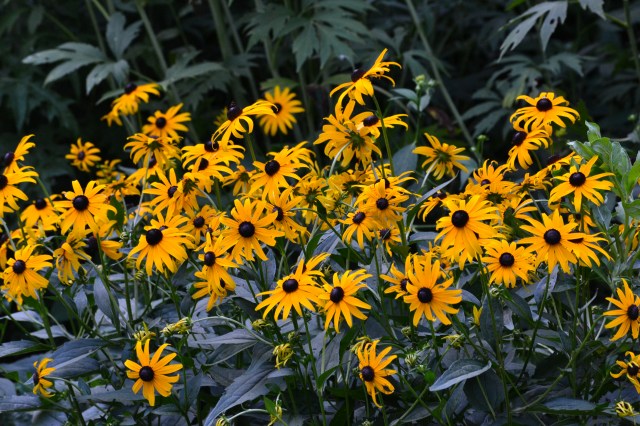
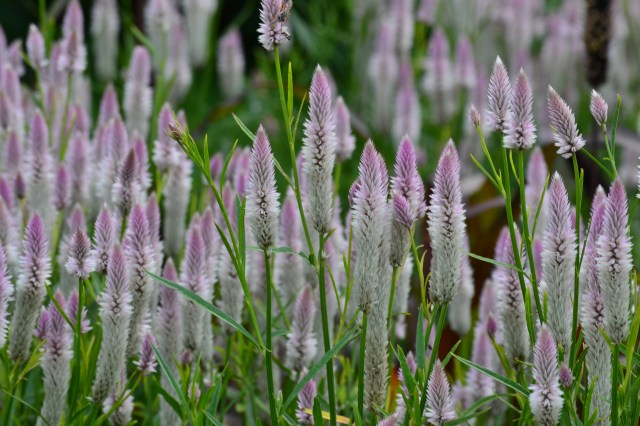
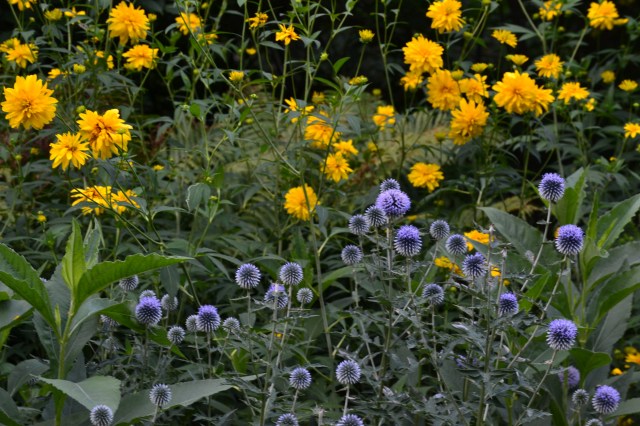
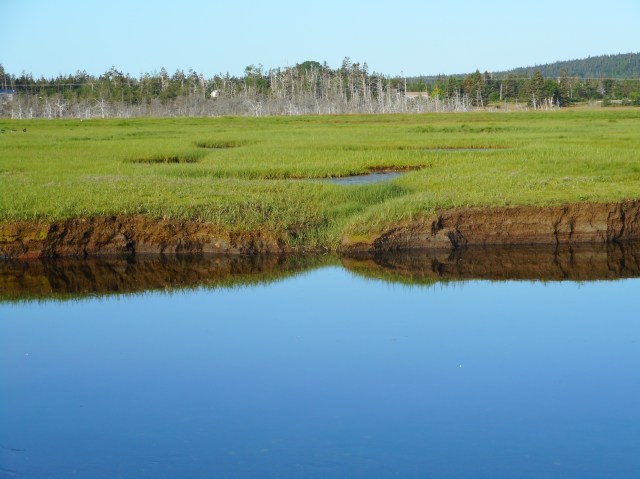
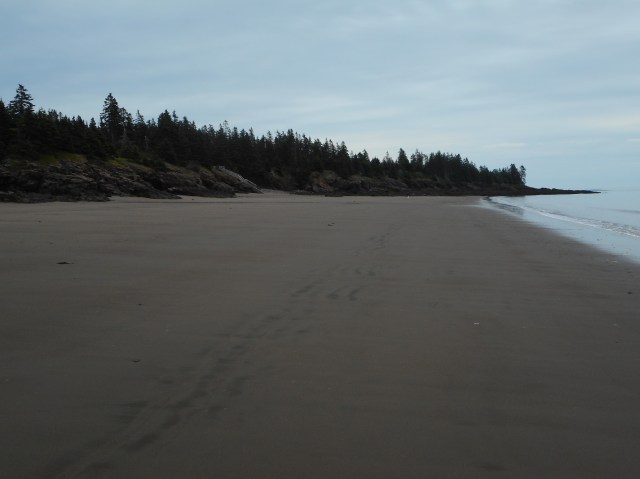
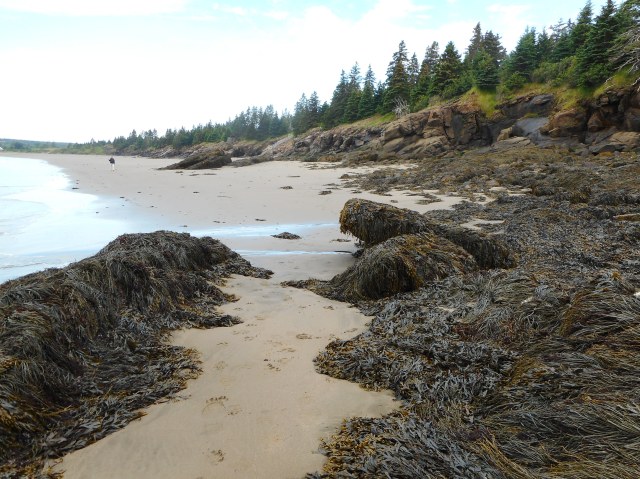
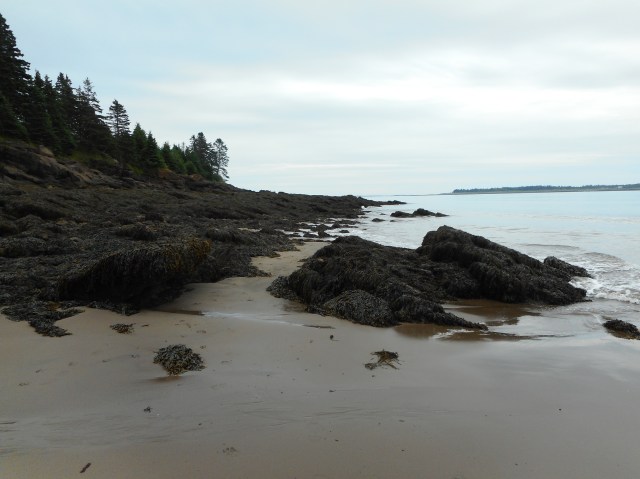
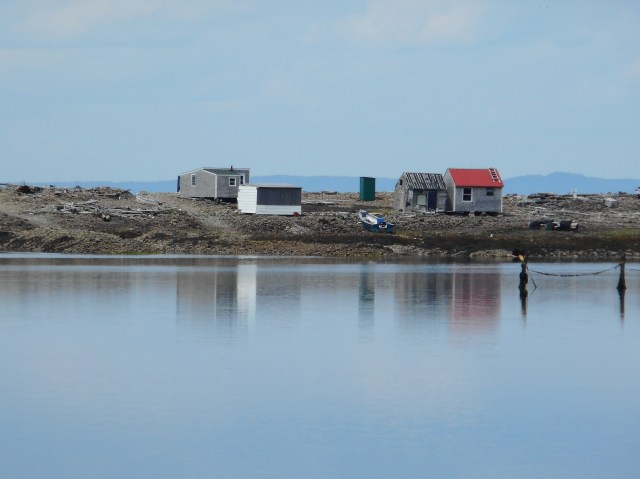
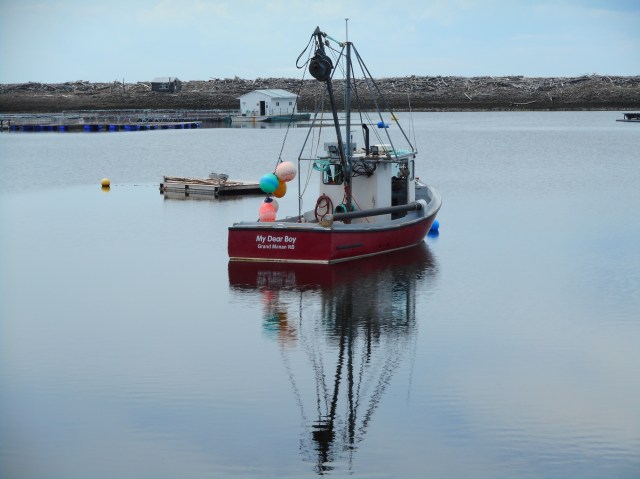
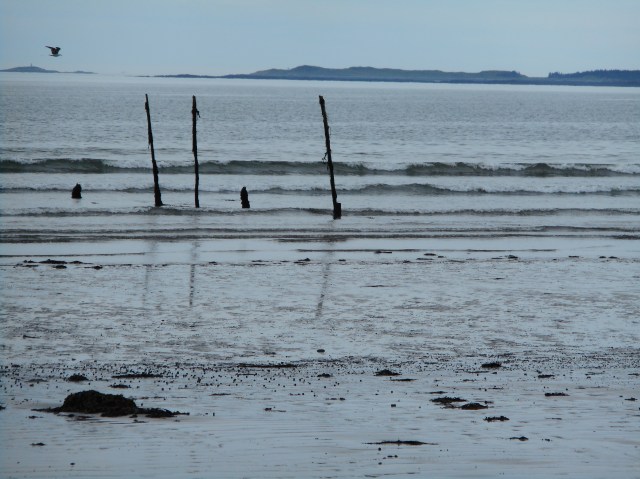 Anchorage Provincial Park, Grand Manan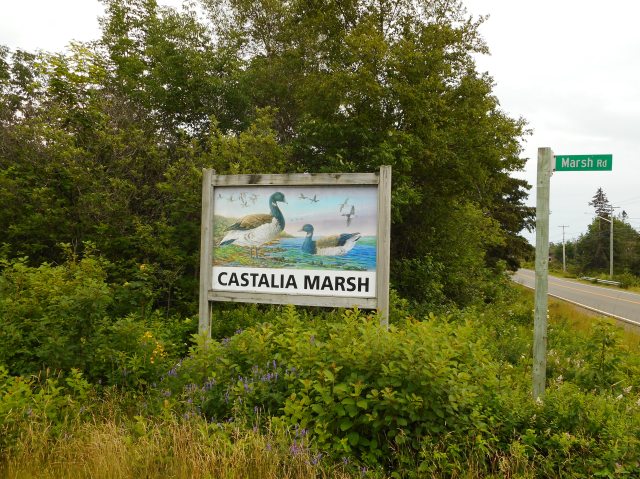

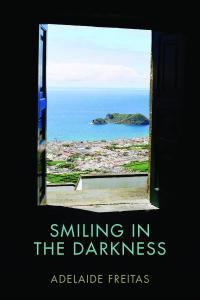
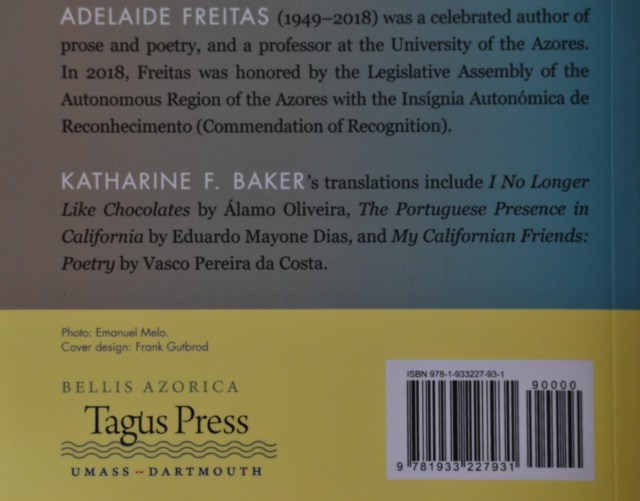 Freitas, Adelaide Batista. Smiling in the Darkness. Novel trans. Katharine F. Baker, Bobby J. Chamberlain, PhD., Reinaldo F. Silva, PhD., and Emanuel Melo. N. Dartmouth, MA.: Tagus Press, Mar 2020.


