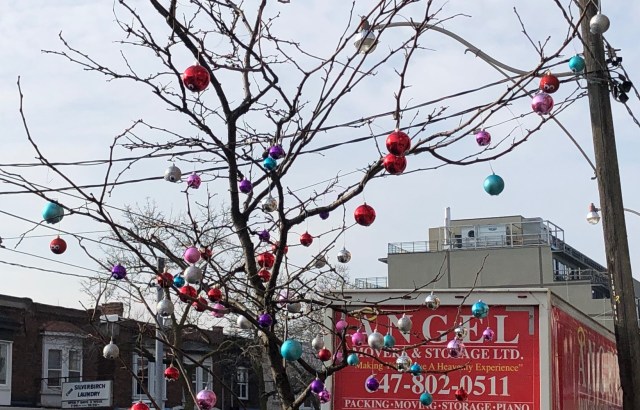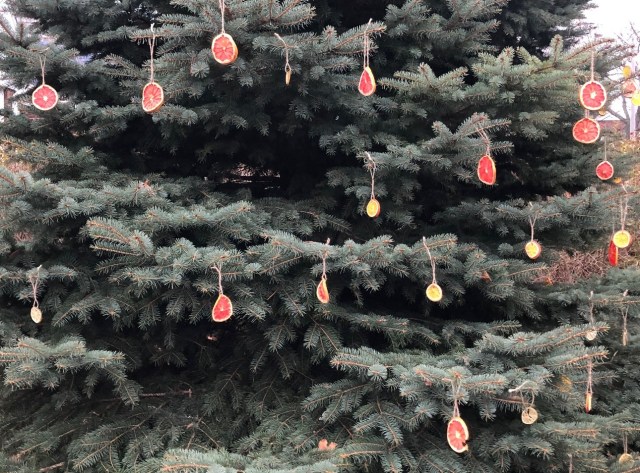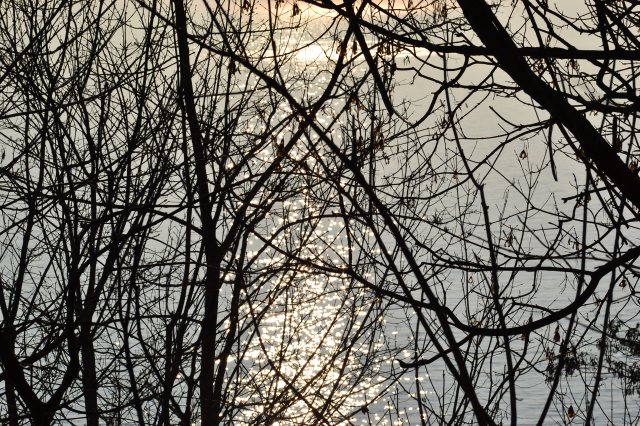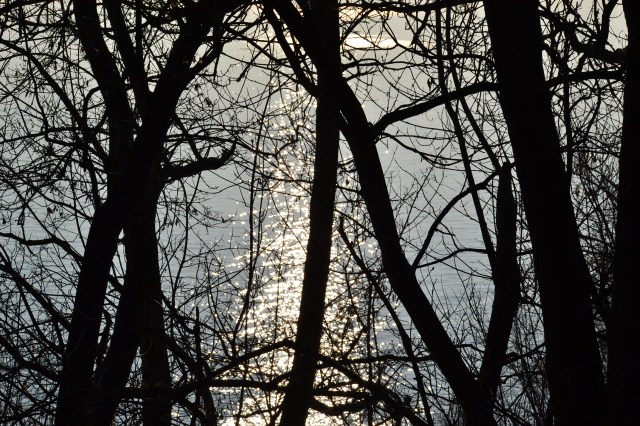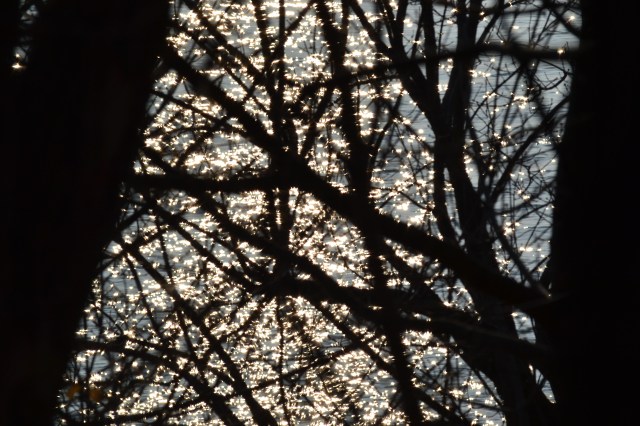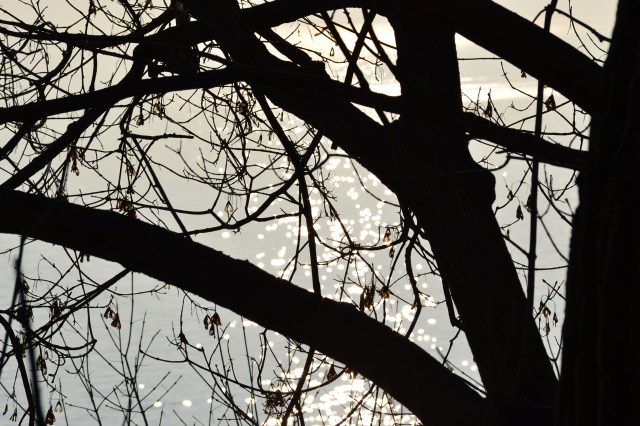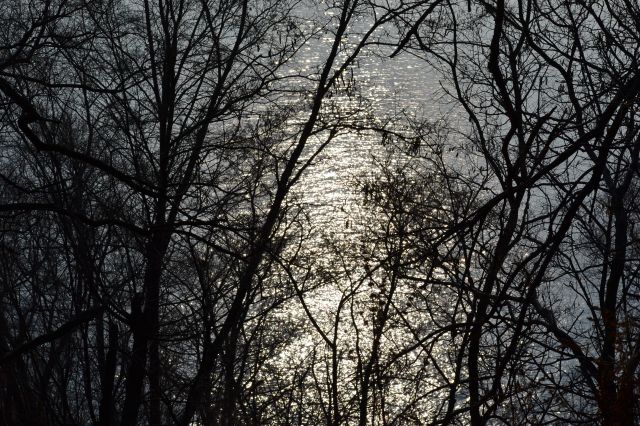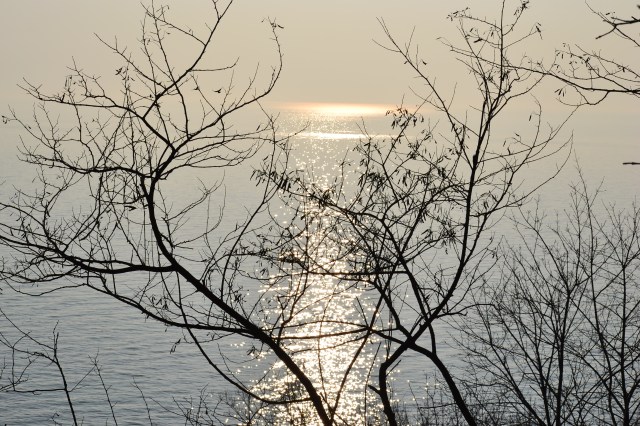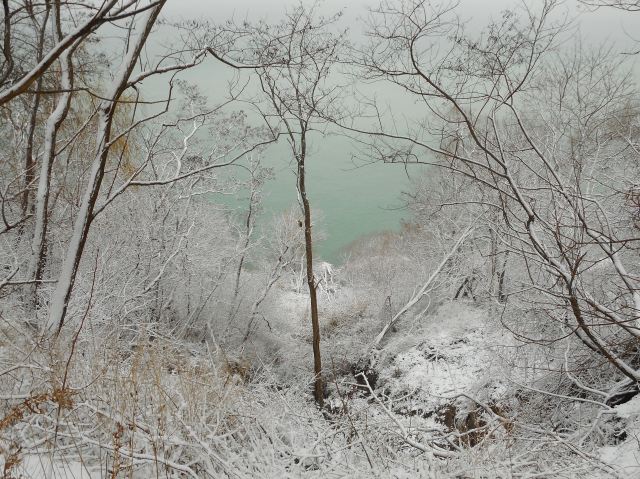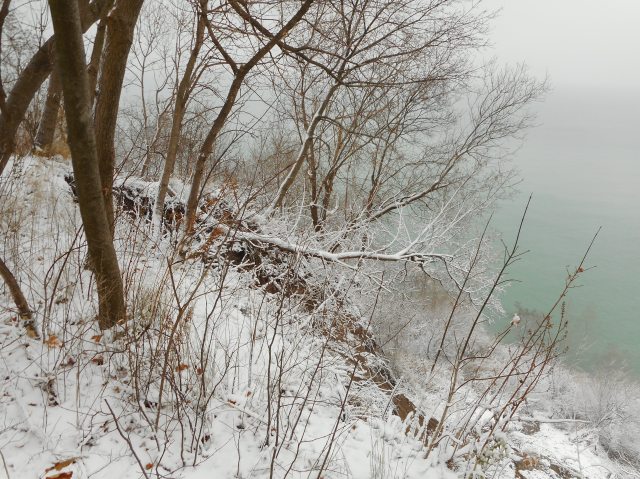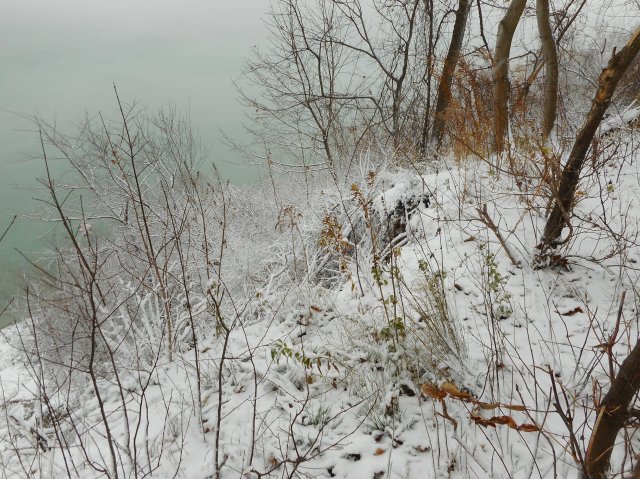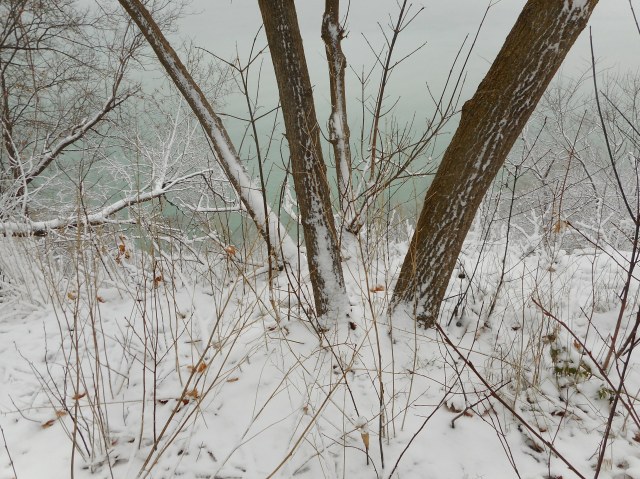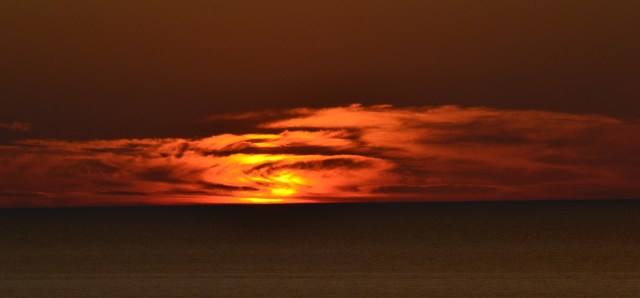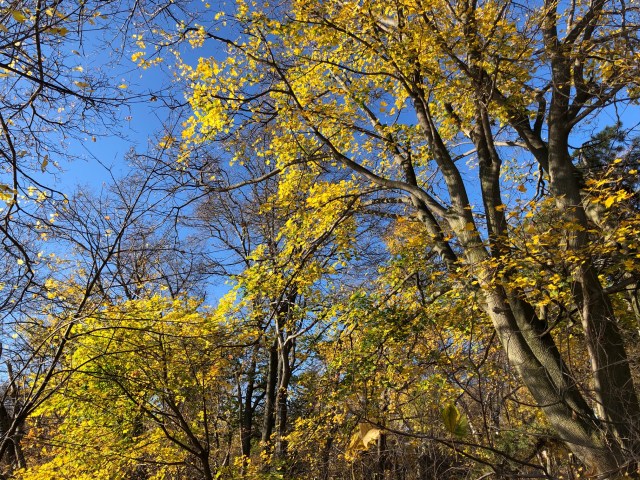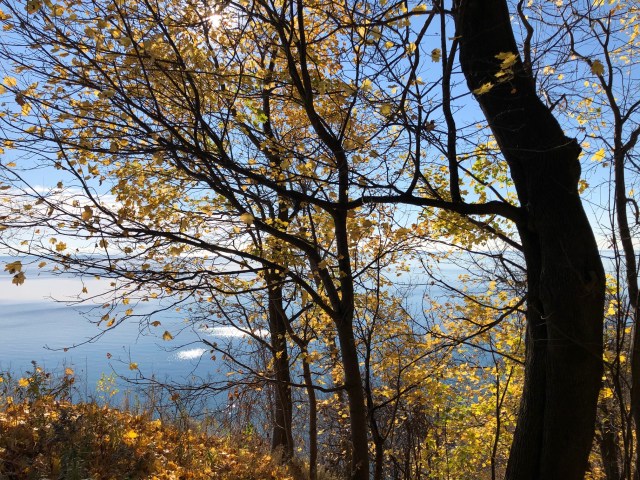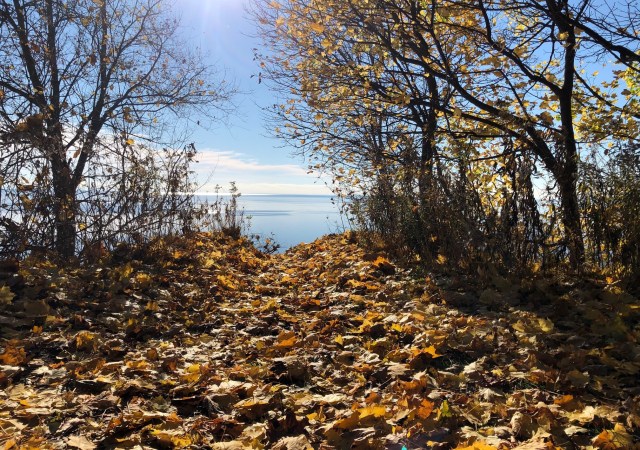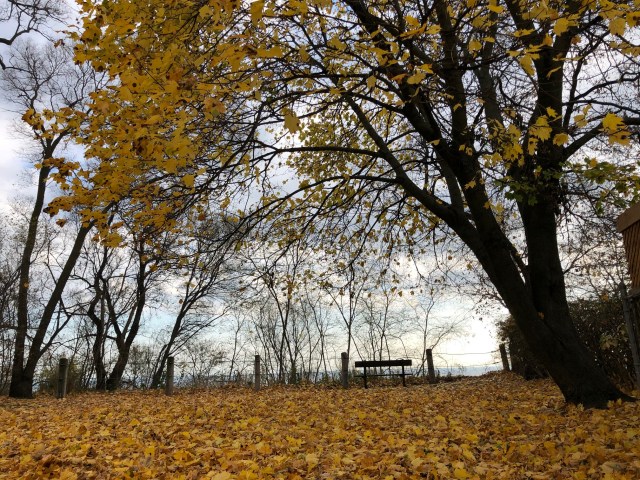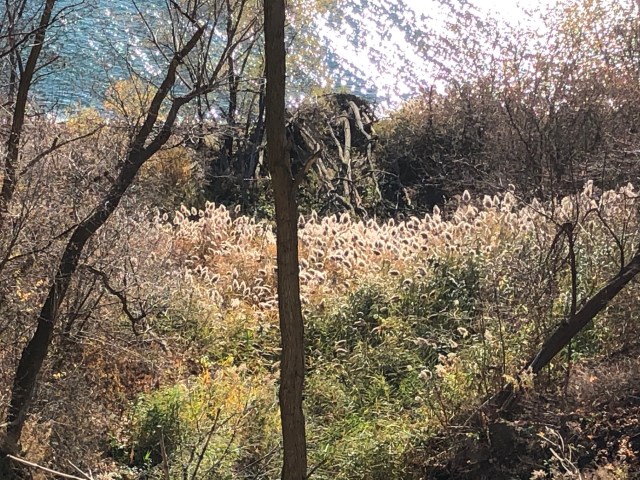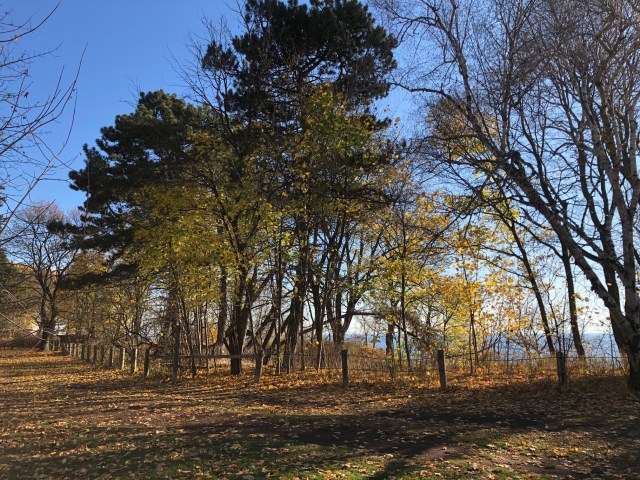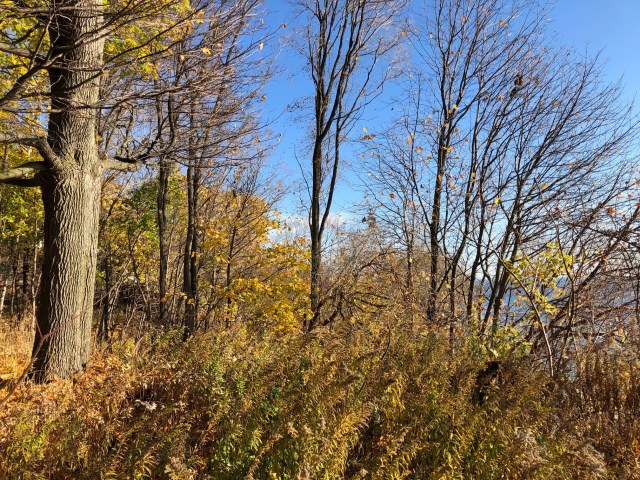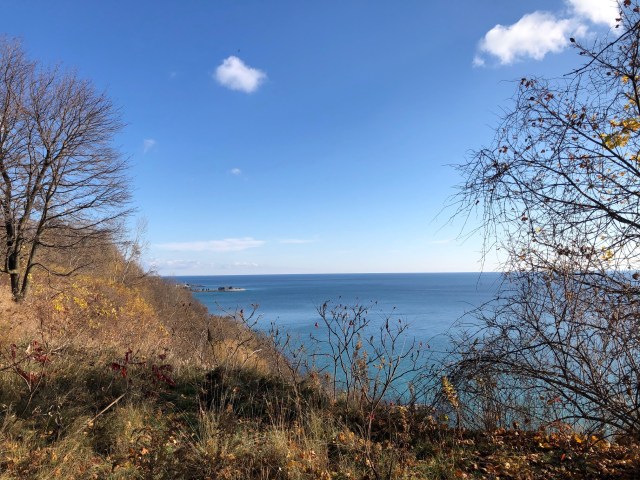
It rains today. It’s cloudy and it’s best to stay inside and enjoy the memories of an unseasonal November in Toronto. We have had glorious days of sunshine and warm weather well up to yesterday. Perhaps there will be more days like this to come. The month is only half way done. For now, here’s some photos I hope you will enjoy from my walks at Rosetta Gardens and surrounding area at the edge of Lake Ontario, on the east end of this big city of Toronto.
A bit of red still hanging on, not wanting to let go of summer.
Smiling in the Darkness was published earlier this year but, because of the pandemic, a book launch event could not happen in the physical world. Luckily, FresnoState’s Portuguese Beyond Borders Institute held a virtual book launch on November 10th, 2020.
I am grateful to Diniz (Dennis) Borges, Portuguese Beyond Borders Institute Director and Portuguese Language Lecturer, for hosting and facilitating a panel presentation made up of Portuguese-American authors Anthony Barcellos and Katherine Vaz, Mário Pereira, executive editor of Bellis Azorica-Tagus Press-Center for Portuguese Studies and Culture at the University of Massachusetts Dartmouth.
I was also a panelist, as one of the co-translators of the novel, but it was really Katharine F. Baker who should have been on the panel, not me. She is the one who lead the translation of Adelaide Freitas’ important book, and her absence from the panel discussion was sorely missed by me. It’s not that she was not invited, far from it. Kathie chooses to limit her on-line social media connectivity, and so we do respect her for it.
Here is the text of my remarks from the panel presentation:
I feel deeply honoured to be associated with the translation project of Smiling in the Darkness. I am also thrilled that Mario Pereira’s team at Tagus accepted one of my photographs for the book cover.
My introduction to Adelaide Freitas happened many years ago while I visited Ponta Delgada, São Miguel, Açores. I was browsing for books to bring back to Toronto at Gil’s, a wonderful bookstore, now gone, when I came across, nas duas Margens: da Literatura Norte-Americana e Açoriana, a book of essays, including Adelaide’s masterful dissertation on Moby Dick. Alas, I had not seen Sorriso por dentro da noite on the shelves. If I had, I am sure I would have bought it, too. I still don’t have a copy of the novel in Portuguese.
By that time I had already met Katharine F. Baker and knew that she was working on the translation of Sorriso por dentro da noite. She assumed, rightly, that I would be interested in the story of Xana, the 12 year old girl protagonist in Adelaide Freitas’ heartbreaking account of what it means for a child to experience the fracture of family ties. One of the strongest themes in the novel for me is the idea that you can’t ever really go back and recapture the past and that the present is not always a better place. The damage has been done.
I related to Xana because I, too, experienced the tearing apart of being taken from one culture to another, from losing beloved family members through immigration, and the ultimate realization that something deep within the soul gets damaged or changed. The ending of the novel has Xana clinging desperately to hold on to her world just as it is about to change forever. It’s a profound moment that captured my own moment of leaving the island of São Miguel for Canada at the age of nine.
While my life has been mostly lived in English, I miraculously maintained an “intuitive feeling” or “soul” understanding of my maternal language over the years, although at times, it feels like a distant memory, too.
This is the background I had and so Sorriso was a very emotional read for me. Although Kathie Baker is a very competent and careful translator, she only learned Portuguese in her mid-fifties after discovering that she had Azorean ancestry in her family. Since then, she has been a tireless champion of bringing Azorean writing to the English speaking world. We owe her a great debt of gratitude for this. I owe Kathie a great debt of gratitude for trusting me and bringing me along on this translation journey.
She had done a meticulous job, but I felt the translation still needed some wordsmithing to capture more deeply the nuance, richness and texture of Adelaide’s lyrical writing, and so I tried to make some polite suggestions to Kathie as to where to change a word here, a phrase there. To my surprise and delight she was open to my suggestions and invited me to collaborate fully on the final draft of the translation. So as I compared the texts, side by side, I guided Katharine into bringing out as much as possible the flavour and soul of the novel.
I suppose the first attempt at any translation is to try and get the words, the sentence structure, the syntax, the equivalents down on paper as much as possible. It’s like jigsaw puzzle pieces all in front of you. Some pieces are hard to make fit, while others are so self-evident that they lull the translator into a false sense of “getting it right.” It’s also like seeing a painting in front of you with all the colour foundation but still in need of some additional brush strokes, some smudging, or even small additions of colour to fill out the complexity of the image. That’s where I came in, at this final stage after the groundwork had already been done.
When we completed the translation, all that was missing was its English title. Sorriso por dentro da noite is one of those phrases that is very hard to find the equivalent of in English, but we finally settled on Smiling in the Darkness. I think it’s a fine equivalent, but for me, a native Portuguese speaker, the Portuguese contains a richness and a nuance that I can’t really explain or translate. I can only experience it through a feeling in my most inner self.
This is the challenge of all translation. It’s not just words. It’s a culture, a people, a geographical landscape, it’s everything to do with how we identify and belong in the physical world, but put down into words.
Given the beauty of Adelaide’s writing, so drenched in local language, so poetic in its prose, it was indeed a challenge to get the translation right as much as possible, without losing the lyricism of the book.
I think we have done justice to Adelaide’s novel and I hope it will please those who will read it in English, that it will help them enter Adelaide’s world, see it, touch it, taste it, in translation, yes, but still connecting with the essence of the original.
I once wrote a reflection called Being Through Words, which you can read on my blog posting of March, 2018 and which has recently been published in a new anthologyAntologia Literária Satúrnia, Autores Luso-Canadianos (available as a PDF download).
In my reflection on the meaning of translation of not only words, but of the self through words, I would like to end with a poem by Avelina da Silveira, a visual artist and poet, born in Angola but who lives in both the Azores and Canada.
When I first read her poem, Palavras onde me perco, (Words where I lose Myself) it was like having a knife-stabbing-to-the -heart experience, especially the line: “Já não sonho em português.” “I no longer dream in Portuguese.” This is the painful moment I had experienced through immigration when eventually my mother-language receded to make room for the new language of the country that became home. This, I suspect would be something Xana would experience eventually, and that Adelaide would be conscious of in her own reflections of language and identity. I think this poem captures the heart of Smiling in the Darkness, and so I’d like to finish here by reading it.
Palavras onde me perco
How I long for the days when words were essential!
Outros tempos quando a palavra encerrava uma certeza
existencial
— coeur et mots, moi même in a fabric of being.
Foi há tanto tempo que parti…
As palavras custam a vir;
como se eu as quisesse articular mas houvesse uma pedra
na garganta.
A voz lusitana escorre sem que dela eu beba,
quase alien, porque já não sonho em português.
Palavras, words, mots perdus…
Labirintos de imagens onde me perco
na ânsia de chegar à outra margem de mim.
J’ai changé le profil du jour
et j’ai perdu mon visage en ce temps,
never again myself between the sea and the maples.
Oh tragédia de imigrar, de partir sem chegar
tecendo na diáspora un être d’ici et de toujours.
Demain será un autre pays, un autre matin,
De identidade dispersa
I’ll be searching in yesterday
for the name of a water bird among the snow.
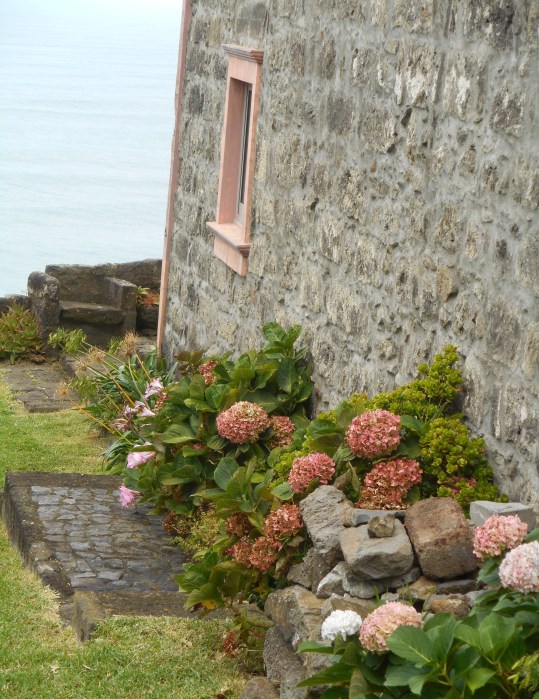
I think I could live here: Achada, São Miguel, Açores
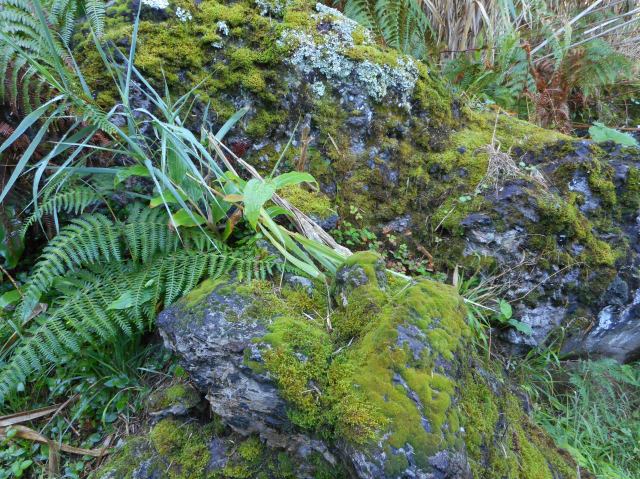
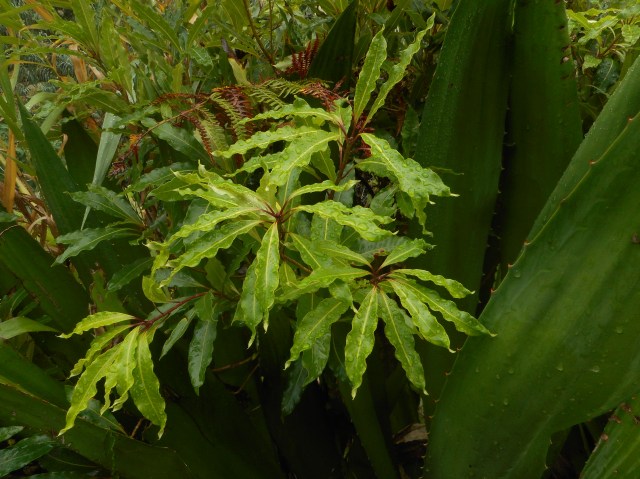
While the colours of autumn in many parts of Canada are reds and golden yellows, in the Azores it still remains green well into October. Or so that’s how I remember it from several visits I made to São Miguel over the last ten years. It’s one of my favourite months to meander through the trails and roads along the Nordeste region, especially in the village of Achada, where I stay.
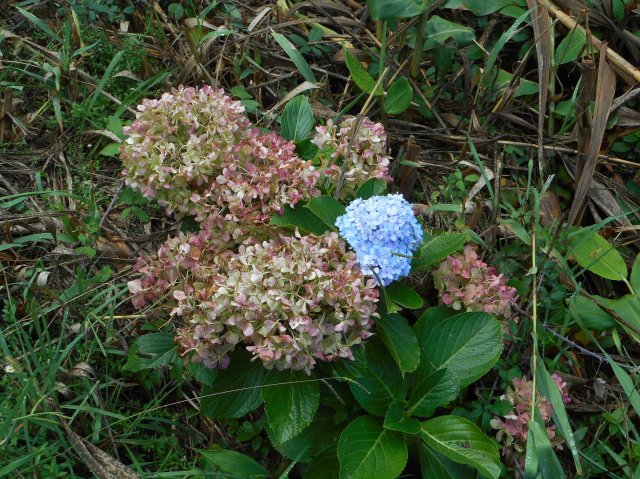
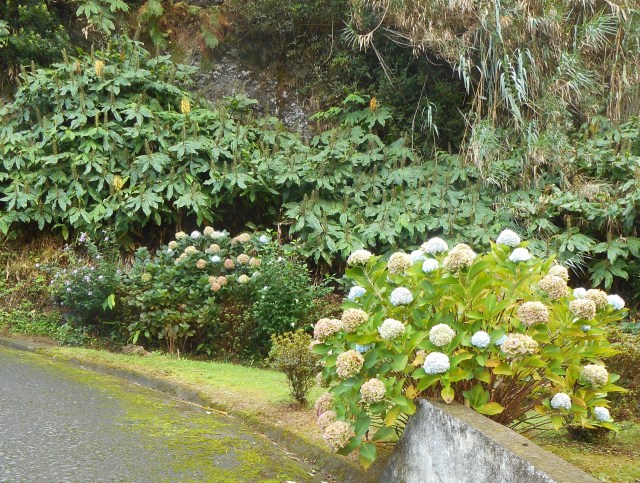
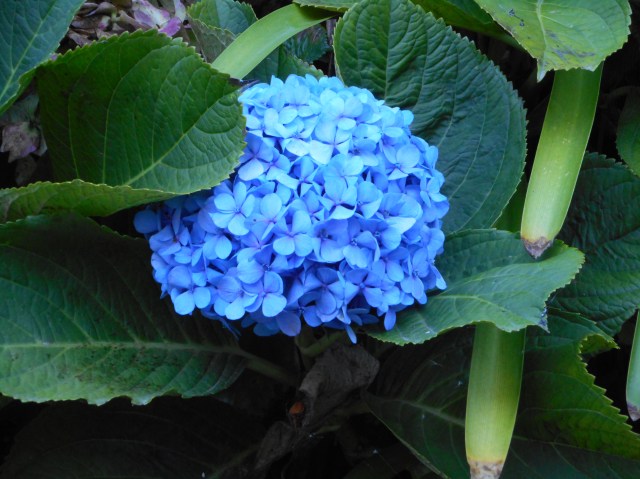
Hortênsias, or novelões, as I learned to call the hydrangeas of my childhood, had already faded their summer colours of deep blues, vibrant pinks and whites, but I still loved walking by them, growing wild along the edges of roads and stone fences.
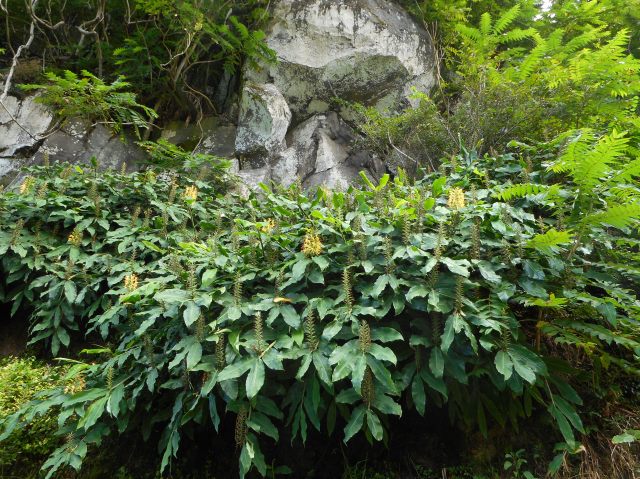
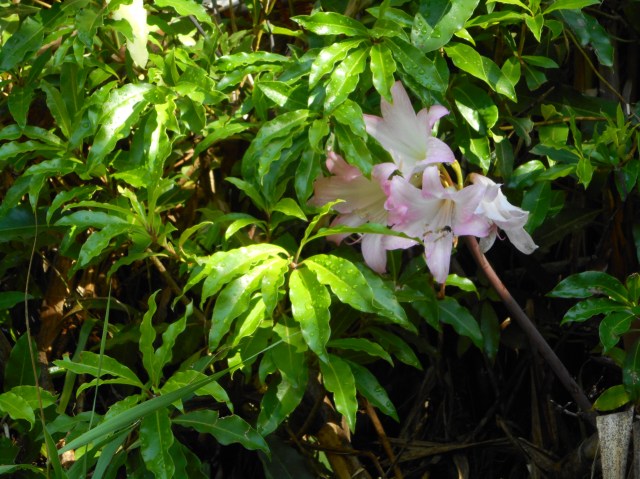
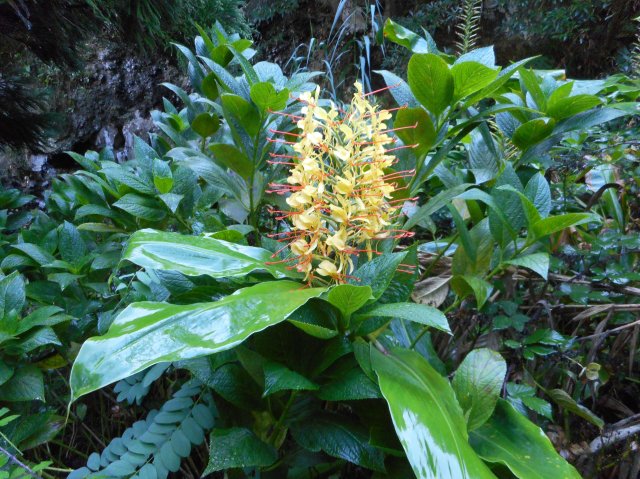
The Conteira (Hedychium gardnerianum), is also a plant that grows wild everywhere. I was lucky to see many of these flowers still holding on to their summer yellow.
Ideally, I should have gone in summers to see the vibrant colours that adorn the island, but there is a beauty in the lingering plant life of October. I don’t know if all this changes in November as the days become shorter and the weather less amenable. I suppose it does, but I have never gone to visit that late in the year. Suffice it for me to be content with the memory of green.
I hope to walk here again someday. Oxalá, se Deus quizer.
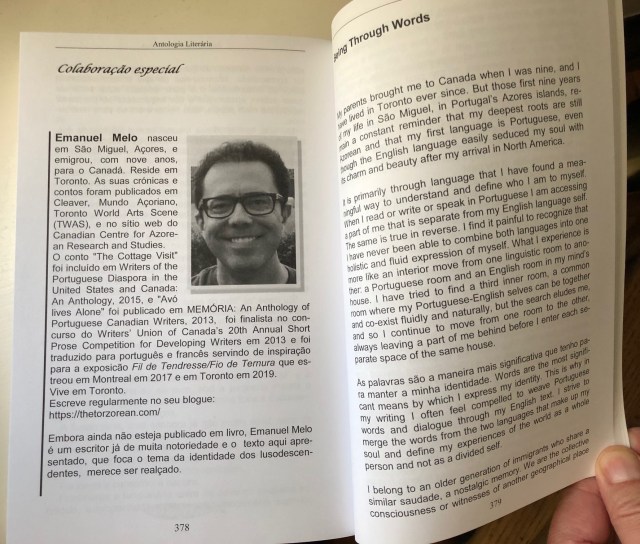
Manuel Carvalho, a writer and editor from Montreal, has been collecting the contribution of Portuguese writers in Canada for over twenty years. His work has culminated in an important publication of over 120 Luso-Canadian writers, Antologia Literária Satúrnia – Autores Luso-Canadianos.
The anthology of over 400 pages, a significant addition to the documentation of the canon of the Portuguese diaspora in Canada, is primarily in Portuguese, with a few texts in English and French. The selection criteria for inclusion in the anthology was that a writer be already published in book form. However, Manuel Carvalho made a couple of exceptions and included two texts from writers not yet published. I am overjoyed to be one of them.
I am extremely honoured and delighted that he chose my English written essay, Being Through Words, originally posted on my blog, as one of the exceptions made. I am very proud to be included in this collection (page 379) and offer my heartfelt obrigado to Manuel Carvalho.
Making the anthology available to readers during a pandemic has proven a great difficulty. However, despite no official book launch dates, copies were distributed to those who attended the Toronto launch for Avós: Raízes e Nós this past September.
The anthology is currently available for download on PDF and I encourage all those who can read in Portuguese to have a look at this collection which gathers a wide variety of Portuguese writers in the diaspora who, despite living far from their geographical roots, continue to write in Portuguese but also in the languages of acolhimento, the official bi-lingual languages that welcomed us into the Canadian social landscape.
Here’s a couple of articles, in Portuguese, about the anthology:
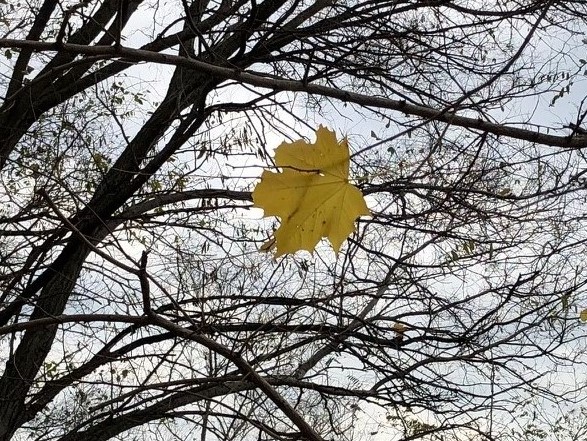
Watching the way that some trees shed their green in autumn to reveal a fiery red before the inevitable end of their live cycle reminds me of the line, “Rage, rage against the dying of the light,” from the Dylan Thomas poem, Do not go gentle into that good night.
These photographs were taken at Rosetta McClain Gardens where I have the pleasure of walking every day.
I remind myself that I should be primarily blogging about my Portuguese-Azorean-Canadian experience. After all, I started my blog four years ago primarily to write about my identity as a Torontonian Azorean writer. But, somehow, after writing enough reflections on identity, I started to do many posts of mainly photographs of flowers, which I find myself still doing, and my travels.
The reason for this evolution is that I have worked out the questions about my Azorean-Canadian identity to my satisfaction, as I have already written about in No Longer in Translation. I no longer ponder on differences, nor feel myself torn between two cultures. Flowers in my garden and in the garden close to where I live, Rosetta McClain, seemed to interest me more than going over and over again the themes of belonging and identity.
I now feel that I belong: Not in some mythical saudade-drenched way which consumed me for many decades of my life, but in a real grounded way. I suppose flowers and plants are a good metaphor for inner groundedness and belonging, hence, perhaps, my attraction to them.
Last September, in the good year of 2019, we travelled for a month. It was the trip of a lifetime, but Stephen and I naively assumed it would be the first of many more to come after we both retired. A year later, all I can do is reminisce about the two weeks we spent in England and Wales, ending with a Baltic cruise on Cunard’s Queen Elizabeth. I already shared the cruise on the blog over several posts last December, but I’ve provided the links to that journey at the end of this post for those readers who are new to my blog.
And so, my trip last year was not to the beautiful Azores or Portugal, but rather to other places in the world that I wanted to discover (Baltic), and a revisit of another place dear to my heart, the United Kingdom.
Identity for me is no longer fixed in one particular country or culture but rather in all the places that I am drawn to, never forgetting, of course, that once upon a time, I was born on the island of São Miguel, Azores.
This post is a photo diary of the trip we made to England and Wales.
September 4-8
We stayed for several days in the town of Woking, Surrey, where we enjoyed time reconnecting with old friends and making new friends with the swans along the beautiful Basingstoke canal.
September 6
We took the train into London and had a walk along the South Bank of the Thames in the enjoyment of a late afternoon without a care in the world.
September 7
We visited Kew Gardens to see the exquisite Chihuly glass sculptures exhibit. But what made the visit so magical was seeing it with my longstanding friend of over 35 years.
Chihuly’s Glass Water Lilies trying to outdo the real ones.
Such a great blend of Art and Nature.
September 9
We rented a car for the rest of our journey. I was impressed by my partner’s skill in driving on the “other” side of the road. Our first stop was the city of Bath where we enjoyed walking its ancient streets and visiting the Roman Baths.
Bath stone architecture gives the city a warm honey-colour look.
September 11
We had a Pret a Manger picnic lunch by the ruins of Tintern Abbey in Wales. It’s a lunch we will never forget.
September 12
We loved staying several days in the vibrant and beautiful city of Cardiff in Wales.
Pasteis de Nata in Cardiff? I was excited to discover the Nata Co. where we ate 4 different types of the ubiquitous Portuguese treat. My favourite was the Nutella Pastel de Nata!
We ate twice at Tŷ Madeira, one of the best Portuguese restaurants in the world.
September 13
We enjoyed a late-morning walk along the beautiful beach in Tenby, Wales, while the town set up for the IRONMAN race that weekend.
Afterwards, we had a long ride along beautiful winding roads, and arrived in the late afternoon at St. David’s Cathedral, Wales, but totally worth it.
September 15
A detour for a short visit to the beautiful medieval Exeter Cathedral, in Devon, South West England, on the way to our next stop. It was all about the light at noon on the ancient stones.
September 16
Torquay, in Devon, is a busy seaside town in September. We enjoyed staying in the old Grand Hotel with perfect views of the sea.
O Pescador. Pity that this Portuguese restaurant was long gone by the time we visited Torquay.
September 17
St. Ives, in Cornwall, where Virginia Woolf spent summer holidays. I expected a quiet town, but a September Festival had brought huge crowds. To get away, we took a short train ride to nearby less crowded Carbis Bay where we had lunch and a walk along the quiet beach.
September 18
From Torquay we did a short morning walk to Cockington Village, where we enjoyed seeing the beautifully preserved thatched cottages, a lovely 12th century church and, my favourite, cows grazing on a hill.
I spent the last afternoon on my own, at Torre Abbey Museum, to see an Agatha Christie exhibit. I have always been a fan of her mysteries. It was wonderful to be in her hometown, Torquay.
September 19
We arrived at our final destination, the port city of Southampton.
We were ready to say goodbye to England and eager to embark on a new journey: our unforgettable Baltic Highlights cruise on Cunard’s Queen Elizabeth from Sept 20 – October 4 to: Germany, Finland, Russia, Estonia, Latvia, Denmark, and Sweden.
October 5
Bonus day. Our October 5th flight home was postponed to the following day, so we had an extra day in the UK. We took the train to see Guilford Cathedral.
I dedicate this post with gratitude to Stephen, my patient and kind partner of 25 years, who is my travelling companion wherever we go in life.
I can’t resist but do one last post about my summer garden. This time, it’s about the hosta that grow and flower despite the sunniness of the garden. These are shade loving plants and yet they continue to thrive, despite the exposure to the harsh sun rays.
When we bought the house, there was a big Manitoba maple tree which provided the right amount of shade but it had to be cut down many years ago when we discovered that it was diseased. The hosta plants went into shock for a while but adapted and so we have let them be. They also remind me of people who have to adapt to a new environment or situation. Resiliency is what is needed in both human and plant life.
September has come too quickly and soon the hosta flowers will wither away, the leaves will yellow and decay until they rebirth the following year. I hope to still be here to watch them return.
When I received an invitation to submit a piece of writing for a new anthology to honour, and reflect on, the role of grandparents’ in the lives and memories of their grandchildren, I immediately thought of a post I had written about my grandfather on this blog several years ago, Reading with My Grandfather on Sunday Afternoons.
I am grateful to the organizers of this project, Aida Baptista, Ilda Januário, and Manuela Marujo, for accepting my submission for inclusion in Avós: Raízes e Nós. I am very honoured to have my short reflection included in both English and Portuguese versions.
The anthology was published in record time. I received the invitation to submit sometime in April and by July, the book was published by Almaletra.
Given the reality of Covid-19, it was with concern and trepidation that Manuela Marujo and Ilda Januário planned a lançamento, a book launch. Taking all the necessary precautions, they went ahead. I think part of the urgency was to acknowledge the change that has taken place in the world since March 2020. Grandparents stopped seeing their grandchildren and isolation has become the new norm. In some way, the collection of stories and reflections about grandparents is a way to reconnect with those family members who are now apart because of the pandemic.
The Toronto book launch took place on Sunday, September 13, in Casa do Alentejo de Toronto, to coincide with Dia Dos Avós, Grandparents Day.
The room was lovingly set up for a limited number of guests, including the writers from Toronto who had contributed to the anthology. We each had our turn to say a few words. When my turn came, this is what I said in Portuguese:
Boa tarde. É um grande prazer estar aqui com todos vós para celebrar o lançamento da antologia Raízes.
Estamos aqui todos juntos apesar do distanciamento físico. Não podemos cumprimentar-nos com um abraço ou aperto de mão. Mas, através da nossa antologia podemos aproximar-nos através da leitura. Estou ansioso para regressar a casa para ler os meus amigos e colegas de escrita.
Estou feliz por ter a minha reflexão sobre o meu avô incluída nesta antologia.
Meu avô materno, Manuel Pereira Duarte, falecido em 1968, era serralheiro de profissão, na cidade de Ponta Delgada, São Miguel, Açores, onde tinha a sua oficina.
A lembrança mais profunda que tenho dele é de estar sentado na cama com o meu avô aos domingos à tarde, lendo. O meu avô lia os seus livros e eu os meus.
Foi com ele que aprendi o amor à leitura. Por isso o meu trecho é de uma maneira especial uma homenagem à herança que ele me deixou.
Agradeço profundamente as professoras Manuela Marujo, Ilda Januário e a nossa ausente Aida Baptista pelo seu valioso trabalho e homenagem a todos que tem a honra do serem avós.
Obrigado.
English translation:
Good afternoon. It’s a great pleasure to be here with all of you to celebrate the launch of the anthology, Raízes.
We are gathered here despite physical distancing. We can’t greet each other with an embrace or a handshake, but through this anthology, we can come close together through reading it. I am eager to return home so that I can start to read my friends and colleagues.
I am thrilled to have my reflection about my grandfather included in the anthology.
Manuel Pereira Duarte, who died in 1968, was a blacksmith by profession, in the city of Ponta Delgada, São Miguel, Azores, where he had his shop.
My most profound memory of him is being in bed on Sunday afternoons, reading. He would read his books and I, mine.
It was with my grandfather that I learned to love reading. This is why my reflection piece is a way to honour him for the legacy which he left me.
My deep thanks to professors Manuela Marujo, Ilda Januário , and our absent Aida Baptisa (in Portugal), for your valuable work and homage to all those who have the honour of being grandparents.
Thank you.My grandfather: Manuel Pereira Duarte (30 de Outubro, 1898 – 10 de Julho, 1968)
It has been a challenging summer for the staff of Rosetta McClain Gardens to keep up with the needs of the garden but they have done a wonderful job and we can now enjoy the blooms of early September.
The air was crisper and clean on Sunday, and the sunlight already had that September quality we all know so well. It felt like a goodbye to summer but in a good way. All the flowers were showing their best selves in the early morning when I walked around and photographed them, capturing the many colours that give Rosetta Gardens that air of delight.
Already people had come to walk through the space and enjoy the Sunday morning of our Labour Day long weekend. I’m glad I went there yesterday because today, Monday, the sky is heavy with grey clouds after a long storm during the night, but I can still enjoy yesterday through my photographs. I hope you like them, too.
It is excessive of me to post yet more photographs of my yellow flowers, identified as Heliopsis Helianthoides by my friend and blogger, Valerie Ferrier, but I was walking in my garden and took these new photos which I immediately thought to share on the blog for you all to enjoy.
There’s a cluster of yellow flowers that grace my garden towards the end of August. I don’t know their name, nor where they have come from. I don’t remember planting them. Perhaps they were seeds blown in by the wind or left by some of the birds who regularly come to visit.
What matters, however, is the joy they bring me as I watch them move; for they do move and sway in the breeze, as if dancing with each other, or simply following the sun’s teasing light upon them.
They have a simple beauty that requires no fussing over. They just exist and I let them be. They remind me of our human relationships and how we should simply delight in each other’s company as we move to life.
The following photos were added on September 6, 2020
It is excessive of me to post yet more photographs of my yellow flowers, identified as Heliopsis Helianthoides by my friend and blogger, Valerie Ferrier, https://urbanfarmerblog.com/ but I was just walking in the garden and took these new photos which I immediately thought to share on the blog.