The virus finally came to my family after fourteen months of our pandemic living. All the social distancing, mask wearing, hand sanitizing, avoidance of gatherings, all of it, turned out to have no power to protect and keep us all safe until this plague comes to its inevitable end.
The dreaded virus, whose scientific name I refuse to write down here, fooling myself that I can give it less power by not naming it, took away one of my family members, only after a few weeks of ICU and all the attempts of hospital staff to save his life.
The cruelest part of this pandemic is not only the lives it has, and continues to take, but it’s also how it’s taken away our human social life: it’s destroyed all our rituals around grief and our ability to come together as family and friends to be with each other at the most vulnerable time of loss.
We said our goodbyes on Zoom; we visited the funeral home in carefully selected small numbers, unable to offer an embrace to our dear cousin who lost her husband, as she and her son sat roped-off, and we, her cousins and friends, could only gesture our grief from afar; we watched the funeral Mass on live stream and couldn’t be there for the interment. We live in the same city but we might as well have been living across an ocean.
All of this is a sadness that will forever have changed us.
We all die. This I do accept and am at peace with. It’s our human condition: we are born and we eventually die.
But dying because of this virus, or even just dying during this time, is a wretched thing because we have also had our collective humanity taken away. We must grieve alone. Grief is ultimately a private experience and we can’t take away the pain of loss felt by those who grieve, but our normal attempts to offer comfort and support to the bereaved have also been taken away and we grieve in ways that don’t offer healing to the wounded heart.
I know that we must not give in to despair and remain forever devastated by grief and loss. After a time of feeling that your world has ended and changed forever, human experience shows us that we do go on, that we rebuild a life for ourselves without our loved one, but right now it’s a time of grief for my family, and we need to be with our loss.
There’s an absence now of someone loved, whose time perhaps came at the wrong time, and whose smile we won’t see again except in memory.
I hope this pandemic ends soon but the damage it has done will always stay with us, with all of us around the world who, in one way or another, are touched by it.
A welcoming forsythia bush cheers up the walk along the path
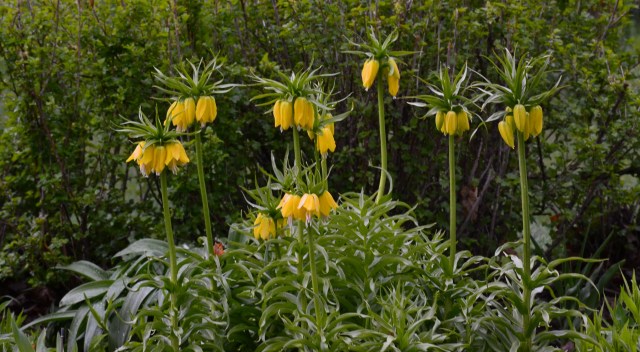
It’s almost the end of April and we are still waiting for warm weather. However, it’s typical of this month to be cold and wet (with the occasional snow). So while we wait for the sunny days ahead, here’s some photographs of the coming of spring to Rosetta.
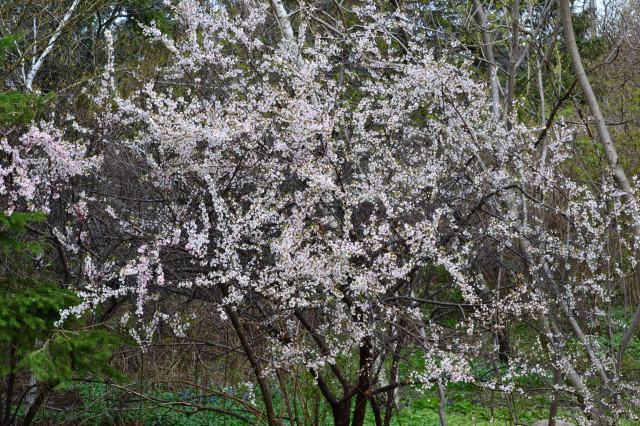
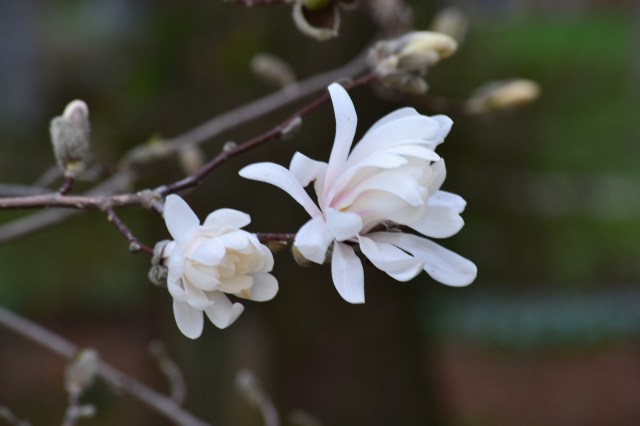
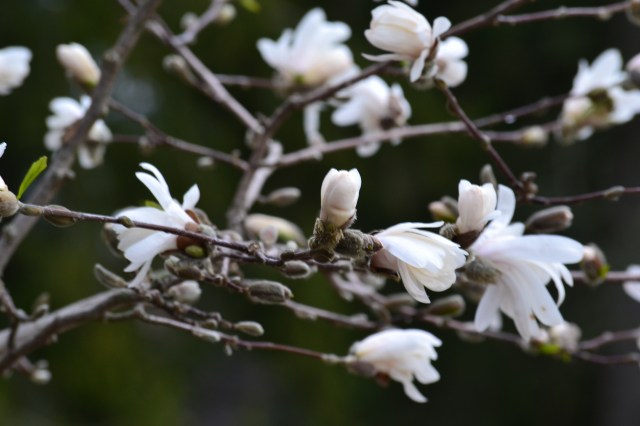
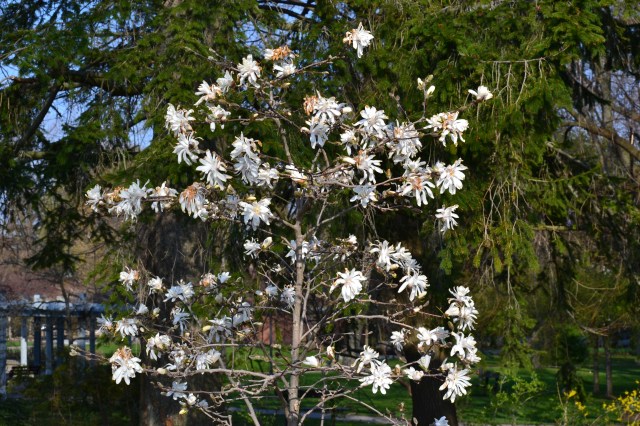
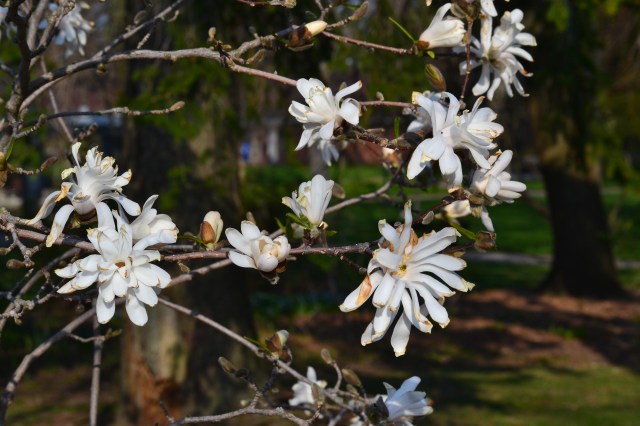
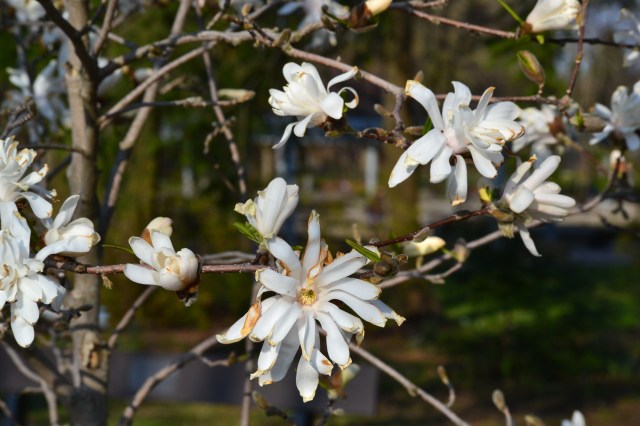
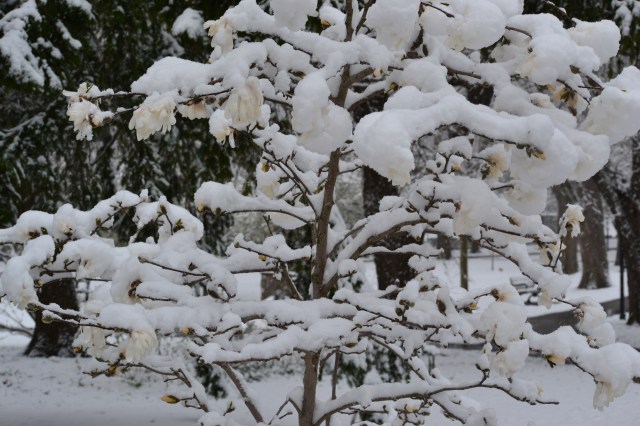
Rosetta McClain Gardens, a place I like to showcase on my blog from time to time is, as far as public gardens go, a modest place. It has no showy or spectacular plants and flowers. Yet what is there, delights the eye with simple beauty. Like the small magnolia tree, a Magnolia Stellata, also known as Royal Star Magnolia, native to Japan, which lives close to the edge of the garden near the bluffs with views of Lake Ontario.
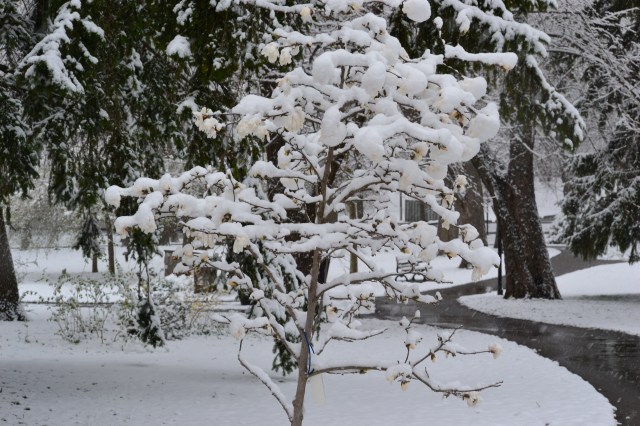
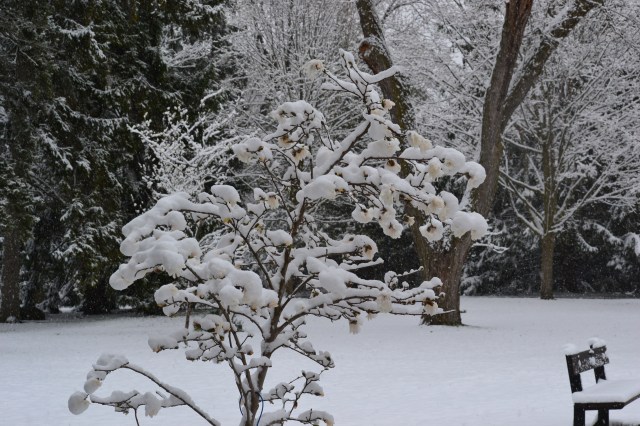
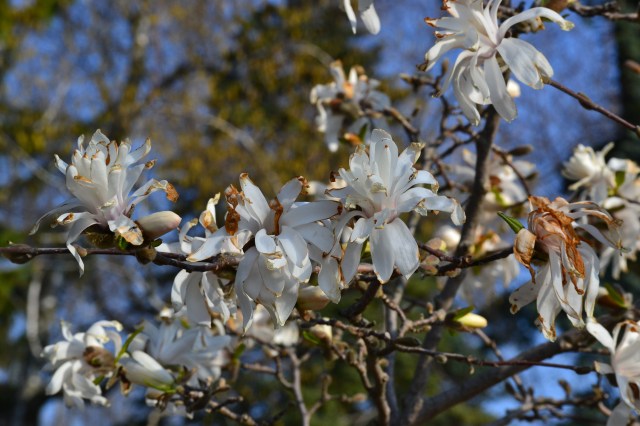
Every year, I like to go see it unfold in early spring. Last week it was doing well and I photographed the beauty of its new flowers. A few days later, we had a heavy snowfall which smothered the delicate white blooms. The day after, the snow melted, and I went back to see if it survived unscathed. Unfortunately, it did not. Yet, there remains a gentle beauty to these weather-beaten flowers that painfully reminds me of the fragility of life. They are still clinging to the branches, not willing to let go just yet, wanting to stay for as long as they can, even if bruised.
Such resiliency encourages me to do likewise, and carry on during these difficult times.
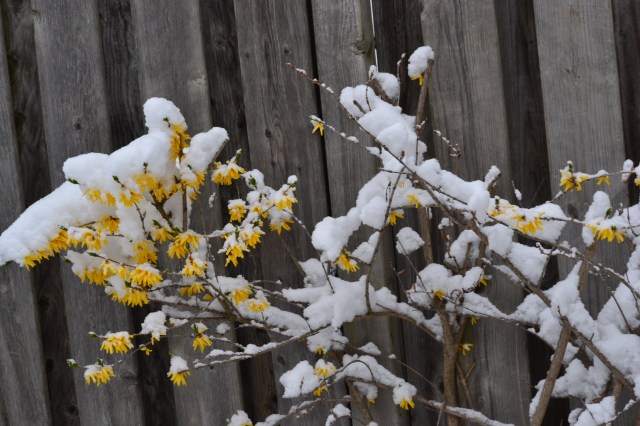
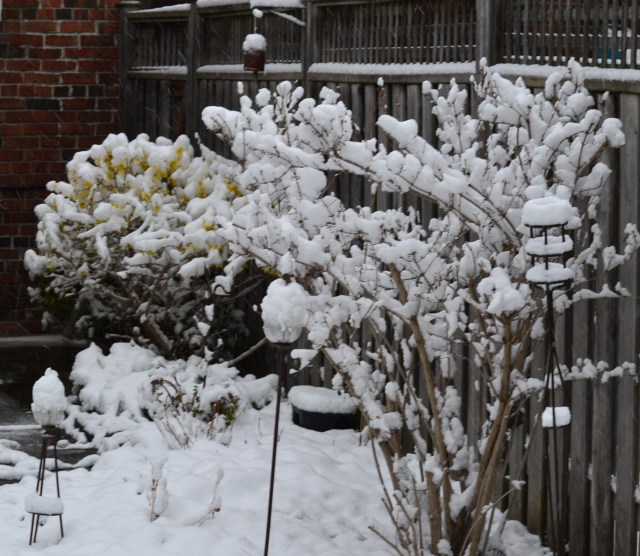
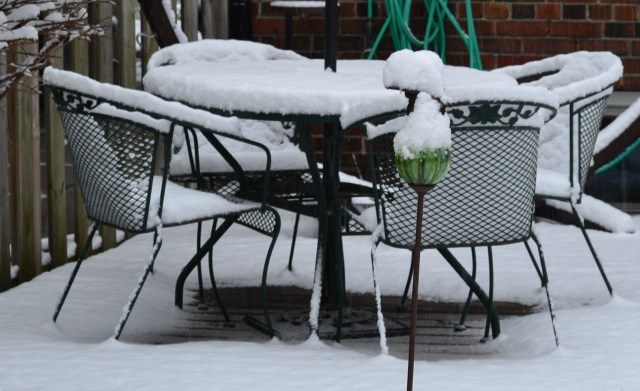
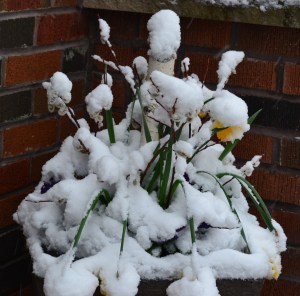
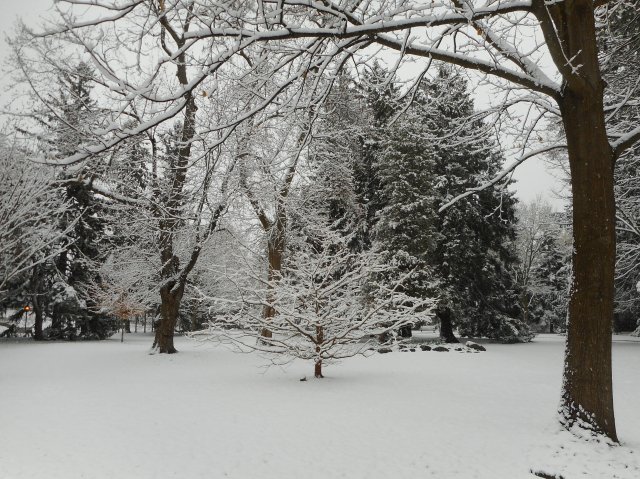
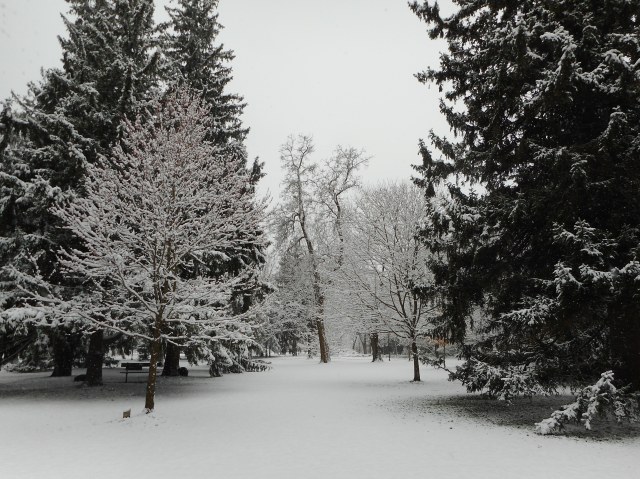
Looking now at the photographs I took of my garden the day snow came to visit on April 21, I am reminded again of those wise words of Ecclesiastes. You know, the ubiquitous and overused “There is a time…” Well, as much as I marvel at the sight of snow, I really don’t want to see it now. Not until it returns in its proper season of winter. There is a time, indeed, for everything, but it’s also wise to know when to let go of something. The garden constantly reminds me that it’s as metaphor for life.
Growing up in the Azores, snow was not even part of my geographical world nor did I have fantasies about it. It wasn’t until I came to Canada that snow imprinted itself on me as something that would forever alter my consciousness and relationship to the physical world and the transition of seasons.
Had I never come to live in Toronto, I would have never known snow as anything more than images from faraway places. But I’m glad my parents brought me here. Snow became associated with all the complex feelings and adventure of arrival in a new land, a land I call home.
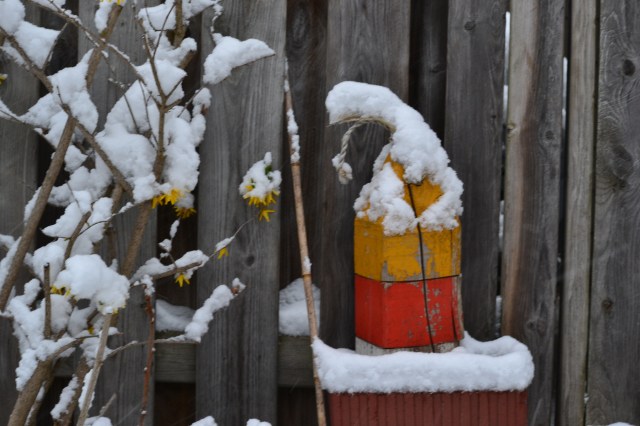
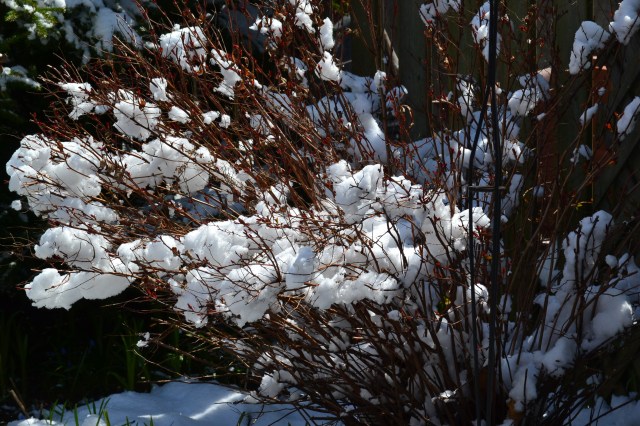
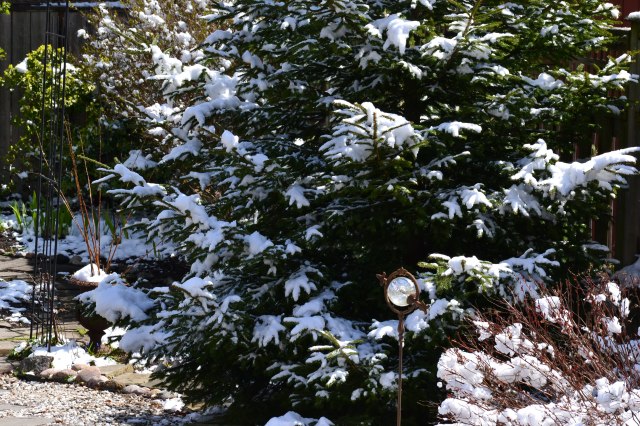
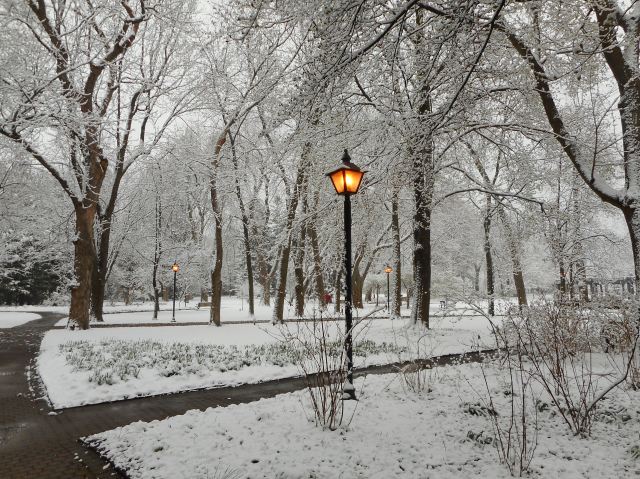
I know that it’s April 21, and just yesterday I was working in my garden, but it’s not unusual to have late-April snow make an appearance before spring really takes over from winter. I woke up this morning to a beautiful snowfall in Toronto. We were expecting it. My first thought was to go out and take a walk to see it at Rosetta McClain Gardens. Here’s how it looked this morning.
By now, as I write this, the sun is back and the snow is melting. Such is the ephemerality of the weather. As much as I find this kind of spontaneous outburst of nature’s whimsy delightful, I hope this will be my last post of snow for a while.
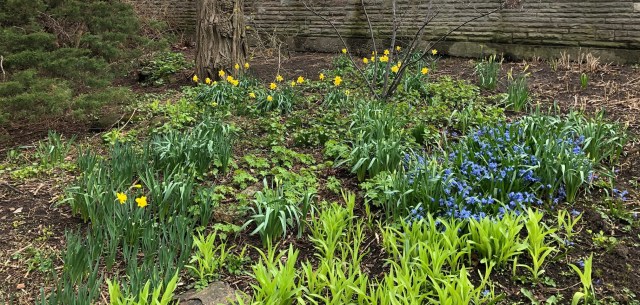
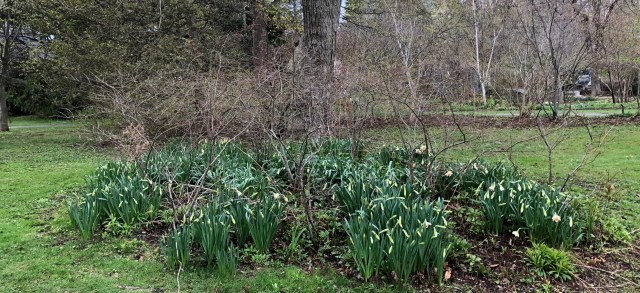
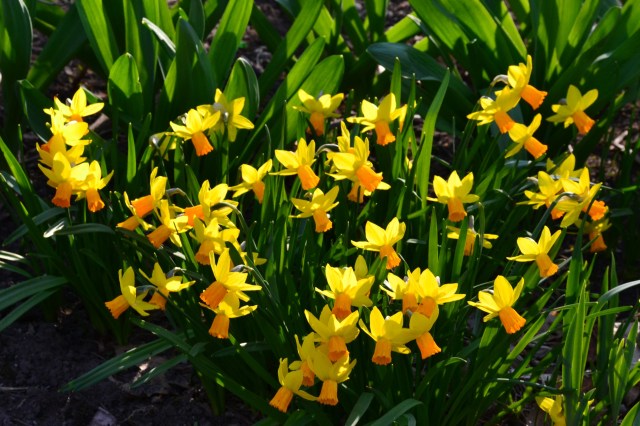
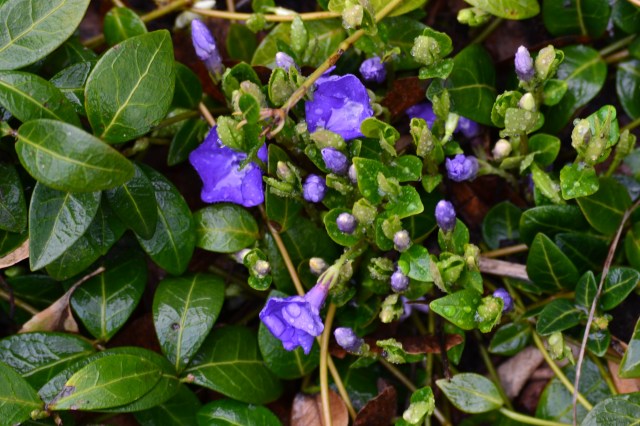
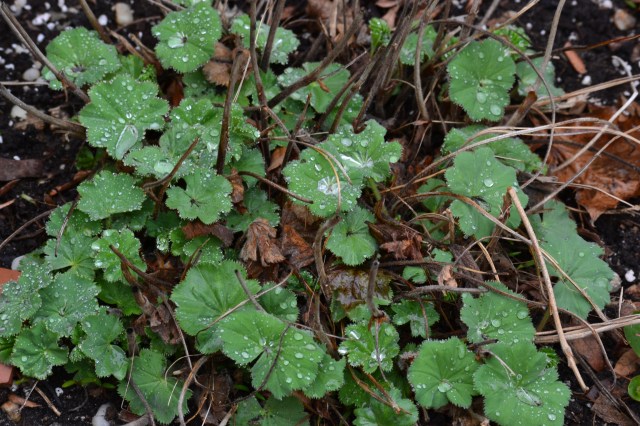
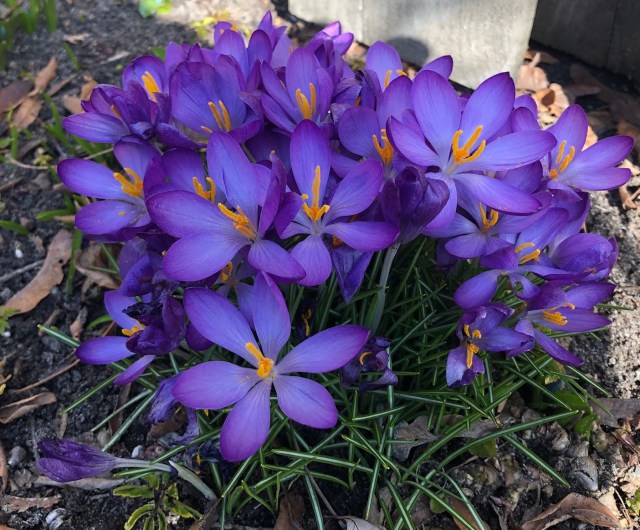
Spring comes slowly to Toronto. All the plants in my garden are waiting for warmer weather before they make their debut but these brave ones have decided to come up.
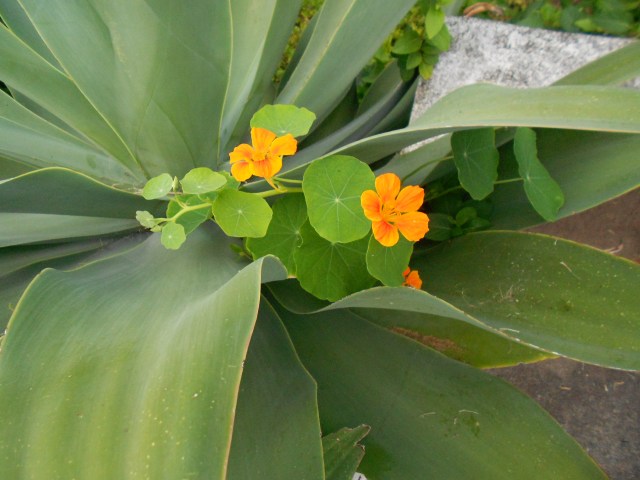
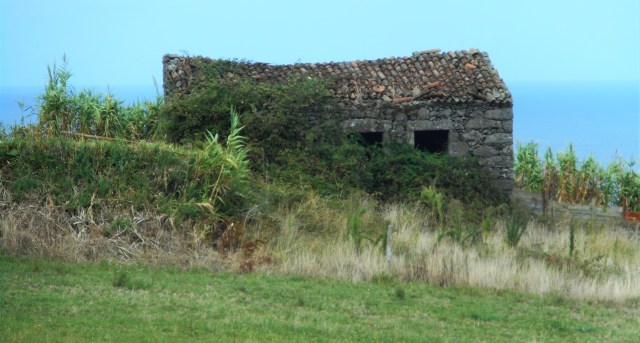
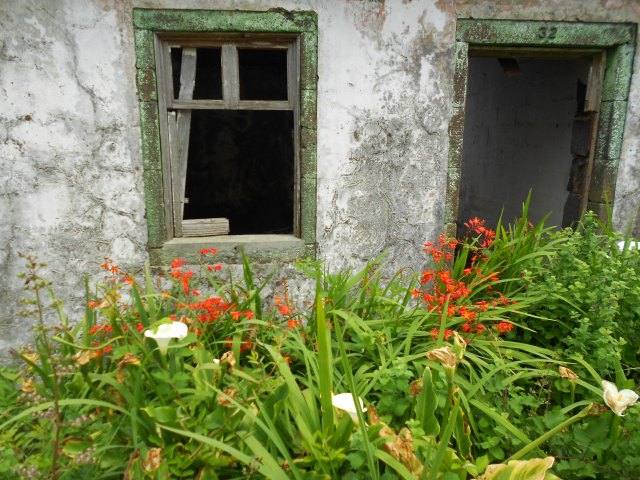
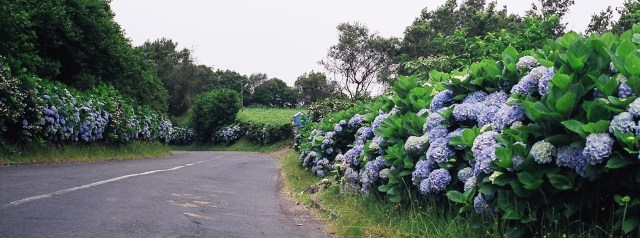
It’s already the middle of March, but there’s still patches of snow in my garden. Spring tends to come late to Toronto. So, for now, here’s some photographs from trips of years past that make me long for the green of São Miguel.
O mar dos Açores
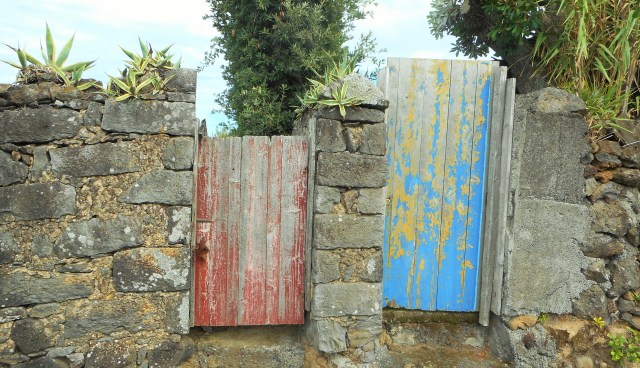
Standing by gates wondering what’s on the other side.
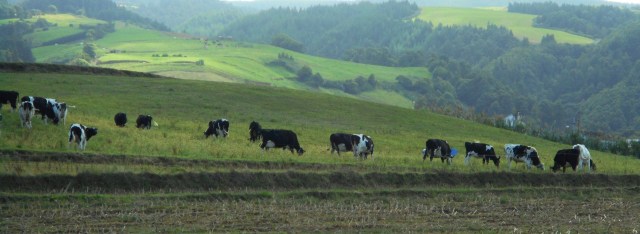
I can still hear the hypnotic sound of these cows munching on dewy ocean-salted grass.
February 4th marks the 53rd anniversary of leaving my home in São Miguel, Azores for Toronto, Canada. Fifty-three years in the life of a sixty-two-year-old means that the balance of time is weighed heavily on the side of Toronto with only a few years of life in the city of Ponta Delgada.
Yet, it’s the balance of my younger life that in some ways weighs the most. I have already written enough about my inner journey of discovery and self-exploration; what it means for me to be someone who came from an island in the middle of the Atlantic Ocean to settle by the shores of Lake Ontario. The parallel between these two landscapes has continued to be a geographical mirror reflecting where I came from with where I live.
In 2008, I wrote Coming to Canada to celebrate my 40th anniversary with the intent of sharing my journey of immigration with my family and especially the younger generation; namely, my nieces (and later my nephews) and my cousins’ children all of whom were born in Canada. They were not immigrants but instead first-generation Portuguese Canadians.
I think all children’s stories of their immigration experience are important and I wish more people told their stories so that our collective diasporic memory gets documented and shared. I have said it often, but I’ll repeat it now on this anniversary date: Coming to Canada was the best thing my parents could have done for all of us.
Still, I miss my visits to São Miguel but I hope to return when the world health situation allows. Visiting the Azores is a gentle reunion with a place I love which still has the familiarity of home and yet is not home anymore.
I already posted Coming to Canada on my blog years ago, but here it is again, for anyone who is interested in reading it:
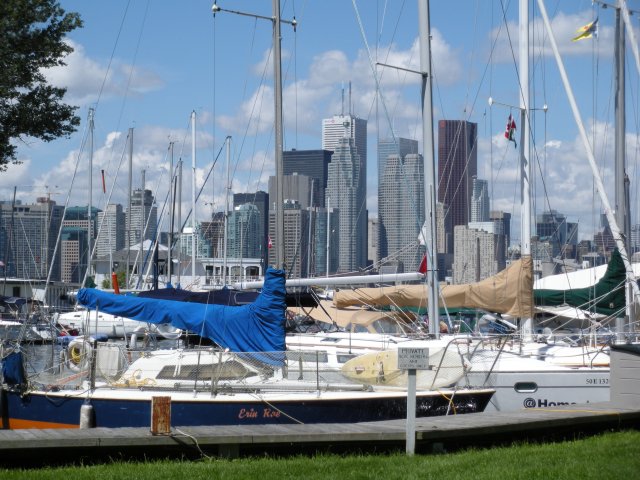
Photo taken at Tommy Thompson Park, looking back to the city of Toronto
“Yet we have gone on living, Living and partly living,” say the chorus of Canterbury women in T. S. Elliot’s play Murder in the Cathedral. We, too, can say that we are living and partly living at this time.
The city of Toronto is once again on lockdown. It’s a confusing time. People are having a hard time interpreting the basic message of “stay home.” There’s a long list of exemptions as to when you can go out but it’s all open to interpretation and how will all this be enforced?
We have been living and partly living since March of 2020. For those of us who have complied and stayed home all these months, it’s disheartening to see that our efforts have not made a difference. The virus rages on, it has even mutated. The hope of a vaccine is a not-too-hopeful hope. We can see that it will take a while for a worldwide vaccination plan to kick in and really make a difference.
We are living and partly living, trying to be positive, to be creative, and to keep in touch with others in the hope of offering them encouragement and community. It’s all we can do from the isolation of our homes but, the longer this lasts, we will become wearied and fatigued. It will be harder to sustain positive thoughts, emotions, and attitudes to help us get through the pandemic until it will, inevitably, end. Until then, we will continue to live and to partly live.
I haven’t walked the city for nearly a year. I live and don’t live in the city, so it feels. I stay in my neighbourhood and only go beyond it once a week to deliver groceries to my mother who lives on the opposite end of the city. The drive there allows me to see a bit of the city but it’s not a city I engage with any more. I see it and I don’t.
I never fully realized how good it was to have the freedom of walking and meandering through its many neighbourhoods, meeting friends at coffee shops and restaurants, going for a movie or a concert. City life full of people in close proximity sharing in the experiences of living and enjoying each other’s company in the texture and setting of physical spaces. We now partly live and the city is only in my memories of the life I had before the pandemic.
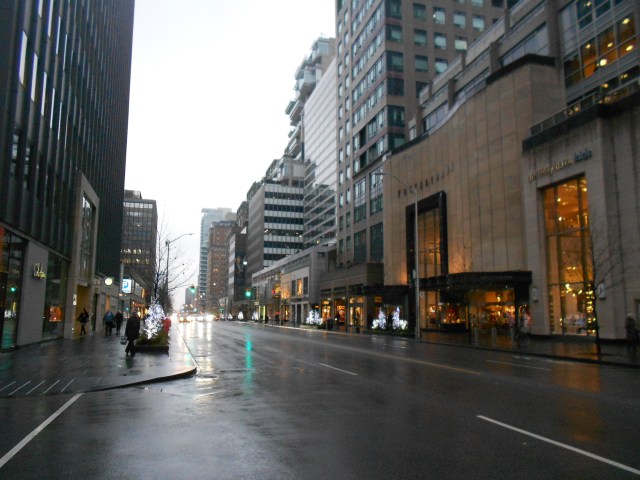
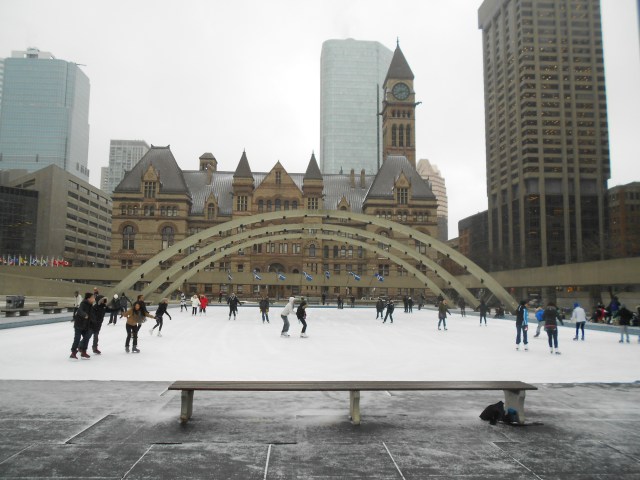
I thought to post some photographs of my city, Toronto. I rarely take photographs that include people. I deliberately wait for them to be out of the way before taking my pictures, but now I wish I had more images of people interacting and occupying the space that is the city.
I have hope that there will be another time when I’ll be free to wonder the streets again. Until then I look at photos. Living and partly living… and waiting.
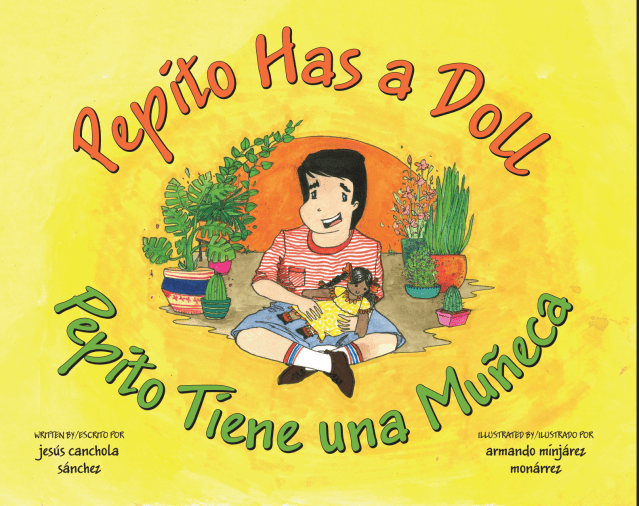
The title of this new English/Spanish bilingual children’s book written by Jesús Canchola Sanchez and illustrated by Armando Minjárez Monárrez comes unapologetically to the point: the boy in the story has a doll. There is no twist or cute dramatic reveal or a slow build up to accustom the reader to this uncomfortable truth for many: that some boys may like to have a doll to play with.
In the age of gender-neutral language and the acceptance of multiple identities, beyond the boy/girl heteronormative model of defining a person’s being, Pepito Has a Doll may be a very safe idea but it’s still an important one to get across to children; namely, that it’s okay for he/she/they to look upon a doll as a positive expression of play and as a tool to explore imagination and friendship.
Pepito gets teased at school for having a doll, Lola, who he takes to school every day. She is his friend and he talks to her. However, he fears that his classmates will laugh at him for having a doll but he worries about her literacy, wondering, “If she doesn’t come with me, how will she learn to read?”
His prayer every night is that he may find a friend to play with him. Eventually, that friend does show up as a new boy in school, Miguel, and they become friends. There’s a charming illustration of the two of them running through a field of grass, holding hands with each other and with Lola, hinting at the possibility of a life free from negative social attitudes.
Pepito brings Miguel home where his grandmother provides a safe space for the boys to be truly themselves without fear of ridicule. She teaches them to dance and by doing so, to embrace joy and celebrate their differences. The boys start to walk to school together and Pepito is happy to have a friend.
One day, Lola falls out of Pepito’s mochila and the other children make fun of him. “Pepito is a girl!” they say, in an attempt to reinforce what is considered unacceptable behaviour for a boy. Luckily, Miguel comes to his defence, “but the kids keep making fun.” Pepito has the courage to fight back with words, “No. No. No! Lola is my doll. She’s my friend. I love her and there’s nothing wrong with that,” he says. What’s interesting in the story is that the kids do stop making fun of Pepito and after this confrontation, leave him alone. This scene made me wonder about the importance of standing up for oneself. So much of bullying happens because children are not empowered to resist being victimized. The lesson here is to assert your own truth and perhaps, just maybe, those who had been teasing and making fun of you, will come to respect you, despite differences.
Pepito thanks Miguel for coming to his rescue with a besito, a kiss. This is another powerful message in the story, one that shows that it’s possible to show love and affection for one’s friends. I don’t think we need to interpret this exclusively as a coming out story. Boys and men are socialized from the start to avoid intimacy with each other because hugging and holding hands have been sexualized to the detriment of basic human touch and interaction. This story shows the possibility of friendships between boys to include the emotional responses we are taught to avoid, regardless of sexual or gender identification.
This wonderful story should be translated into every language and read not only by children but by adults who need to be reminded of the importance of letting children decide for themselves what they wish to play with and to even have a doll who represents the possibility of learning about human interaction through fantasy and imagination.
I wish I had read Pepito Has a Doll, had it been written when I was a little boy. It would have shown me that it was acceptable to play with dolls while also exploring my own identity and feelings towards boys.
I didn’t have a doll growing up Portuguese in the Azores but I do remember being allowed to play with my girl cousins and their dolls. What I did do was create dresses for them. My mother used to give me remnants of fabric she no longer needed for her own dressmaking materials. I did learn how to use needle and thread, cut patterns and sew them by hand into dresses and outfits which my cousins loved.
Looking back, I am impressed that the women in my family were comfortable enough to let me play this way without worrying about it being a threat to my masculinity. I learned from a young age that dolls and cars could be part of a boy’s childhood play choices. However, I know that my situation was not the norm and that more often than not, parents reinforce traditional models of play to teach children to stay within the narrow confines of outdated notions of femininity/masculinity.
A book like Pepito Has a Doll can go a long way to help break the stereotyped ideas around gender-based play, the meaning of friendship, and inclusive belonging.
The author acknowledges the role of his grandmother in teaching him how to be himself. There’s a touching scene in the story when Pepito asks his abuela, grandmother, why he has to hide his doll at school. I love her empowering response, “We have to be careful. Someone can make fun of you or hurt you. If someone does that to you, tell me. I will always protect you.”
I know that there’s other grandmothers out there who support the differences they see in a special grandchild. I can attest to that with my own grandmother who knew who I was long before I could understand it myself. One of my cousins told me much later in life that when she was still a child, and did not understand what our grandmother was referring to, had said to her, “Emanuel is different, but always be his friend.”
Pepito Has a Doll is a book that celebrates, through the power of words and lovely illustrations, the power of letting young boys explore their identity through play and imagination, not as a hidden secret thing but in the wide open space of friendship and community.

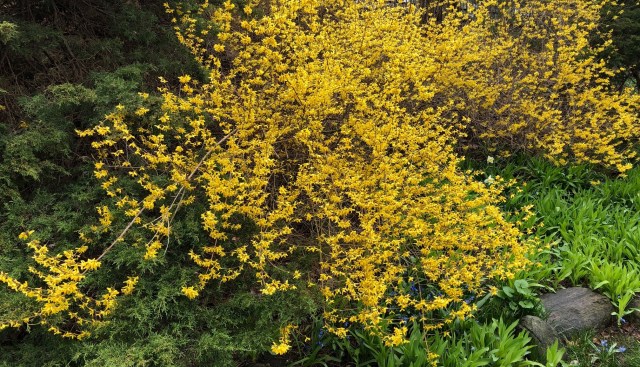 A welcoming forsythia bush cheers up the walk along the path
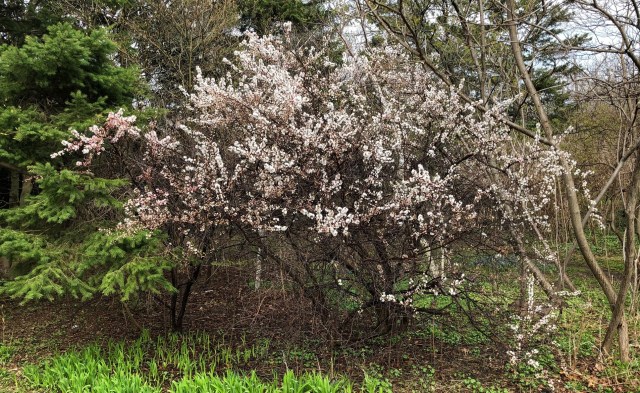


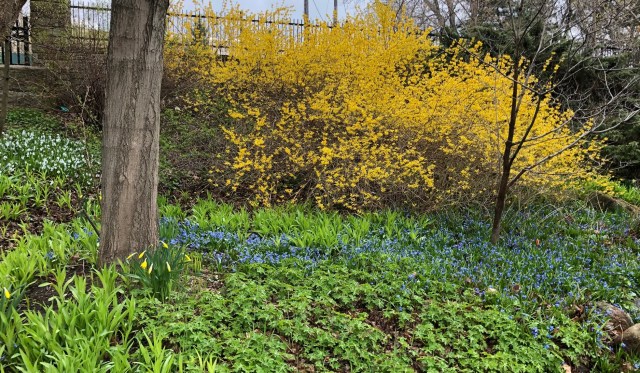
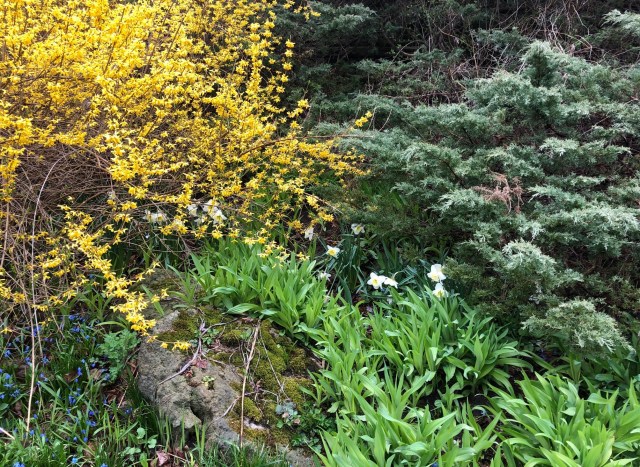




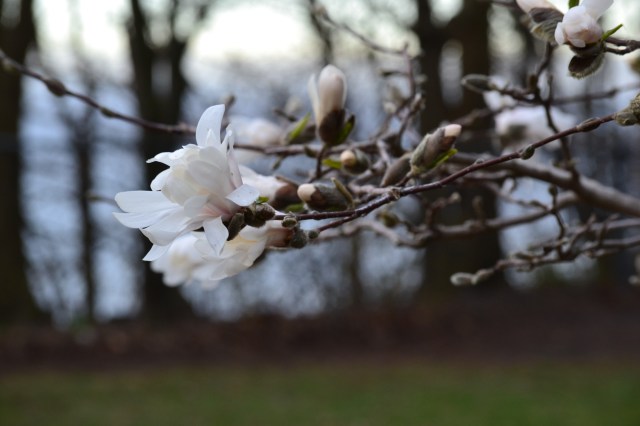 Royal Star Magnolia, Magnolia Stellata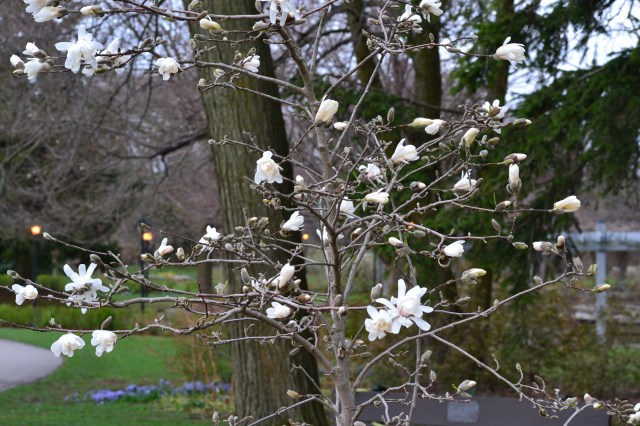



 A little bit of snow lingering on my forsythia















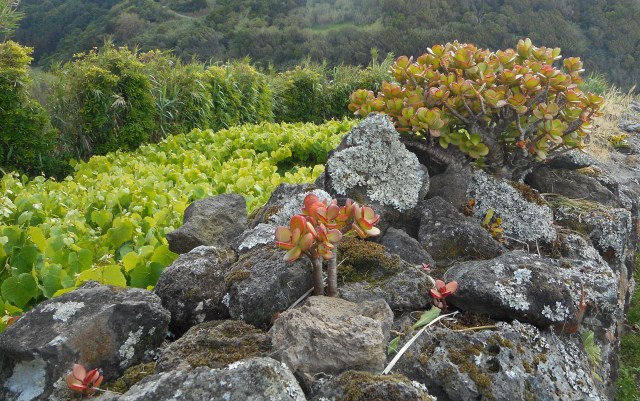
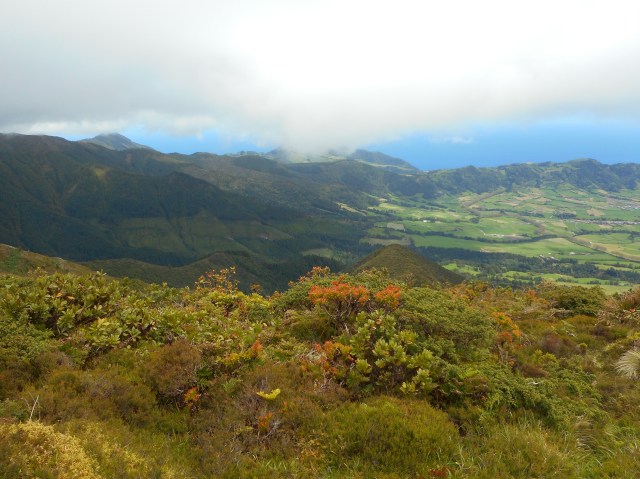
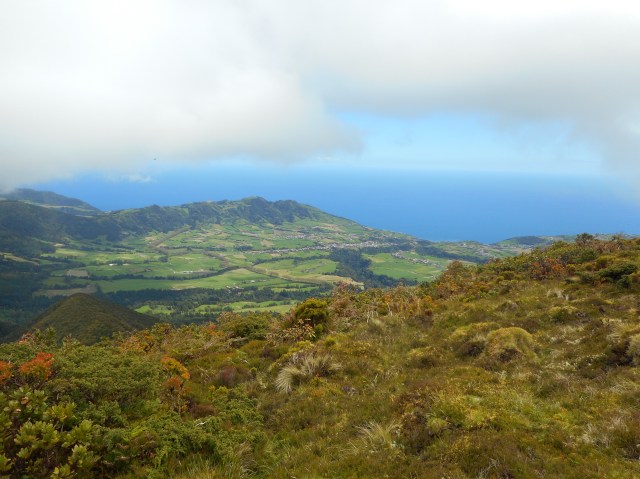
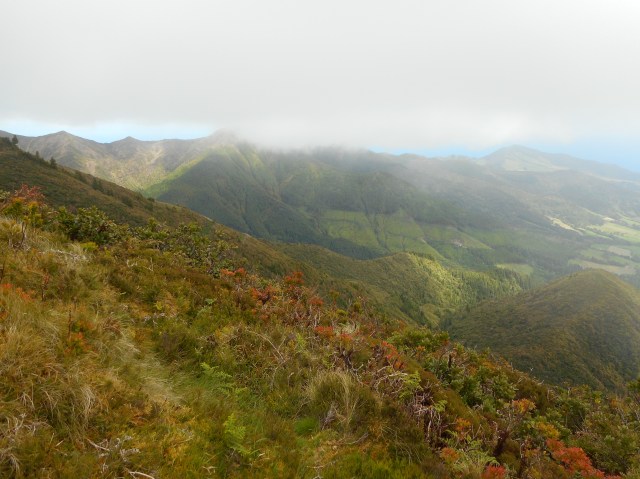
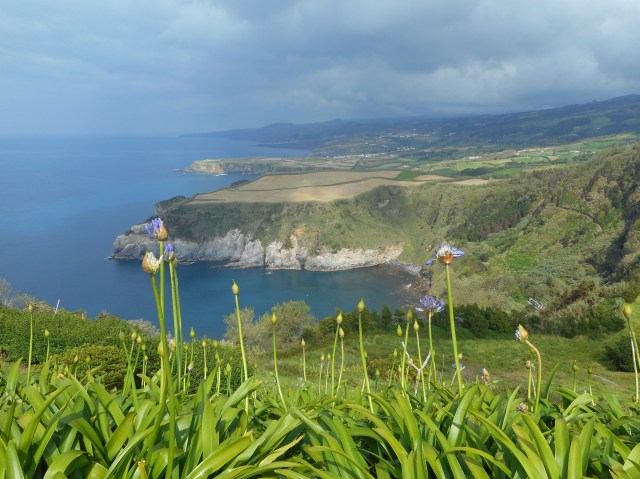 São Miguel, Azores




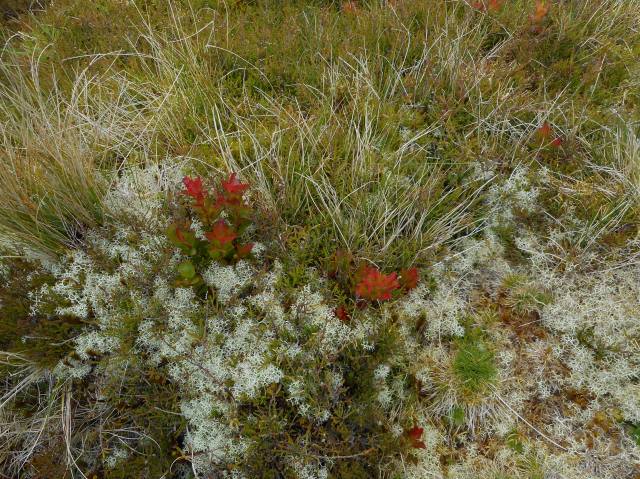
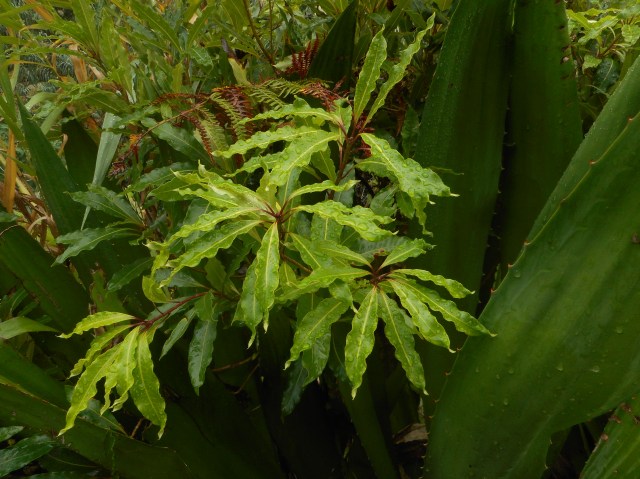
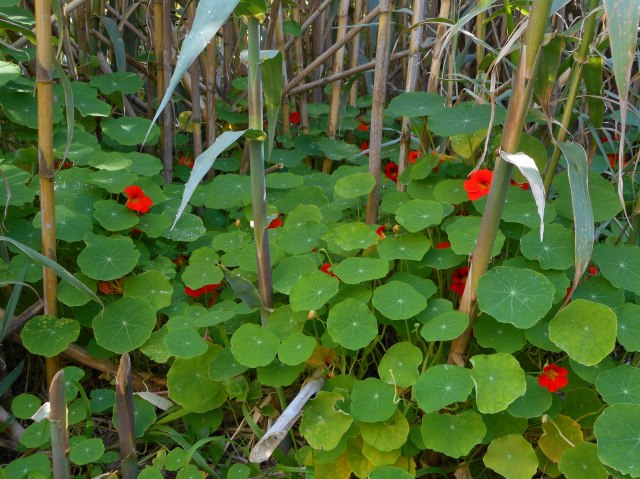
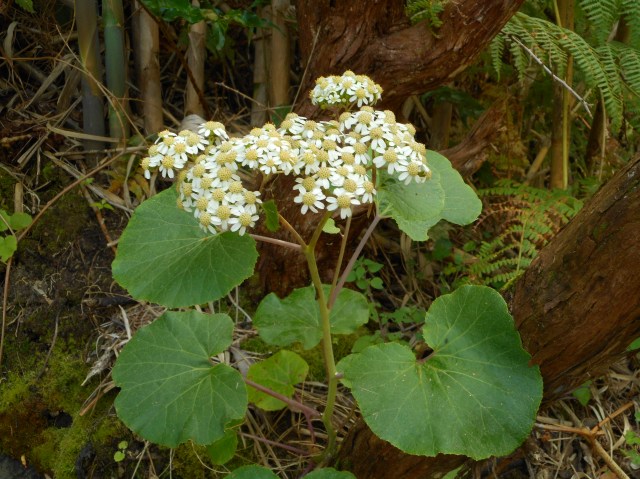


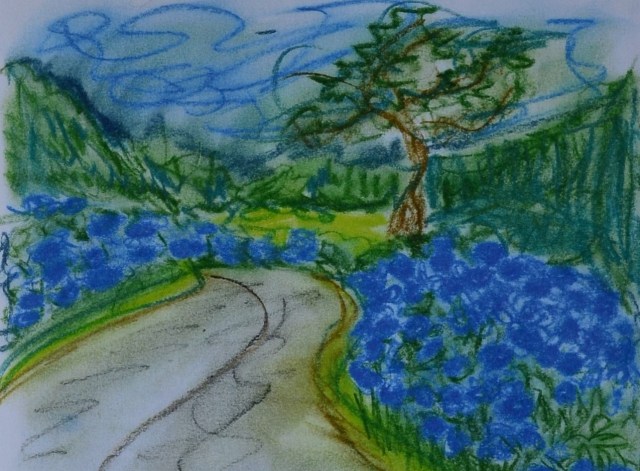 Where the road goes, I go…
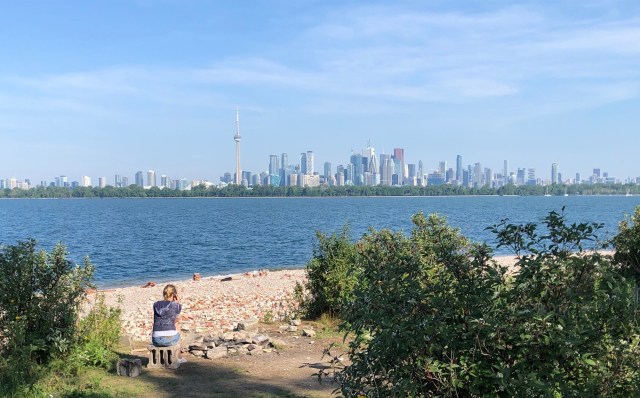 Photo taken at Tommy Thompson Park, looking back to the city of Toronto